Why the Shatrujeet Brigade is the Pride of India and How It Stays Unstoppable
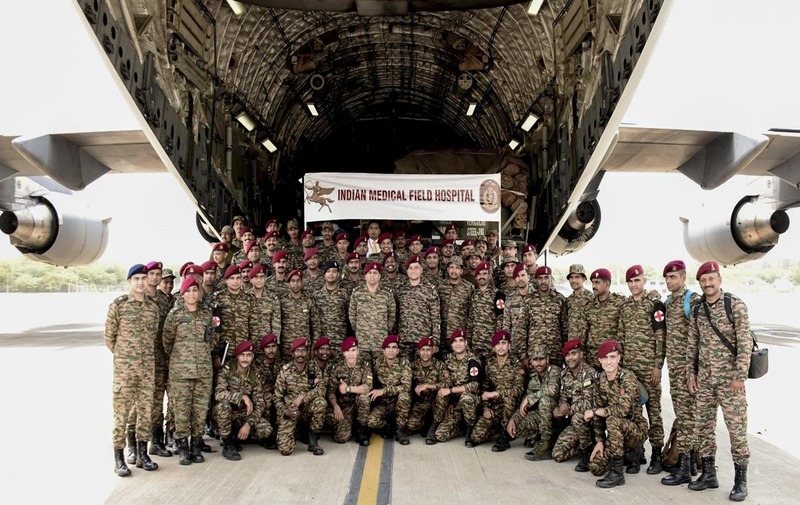
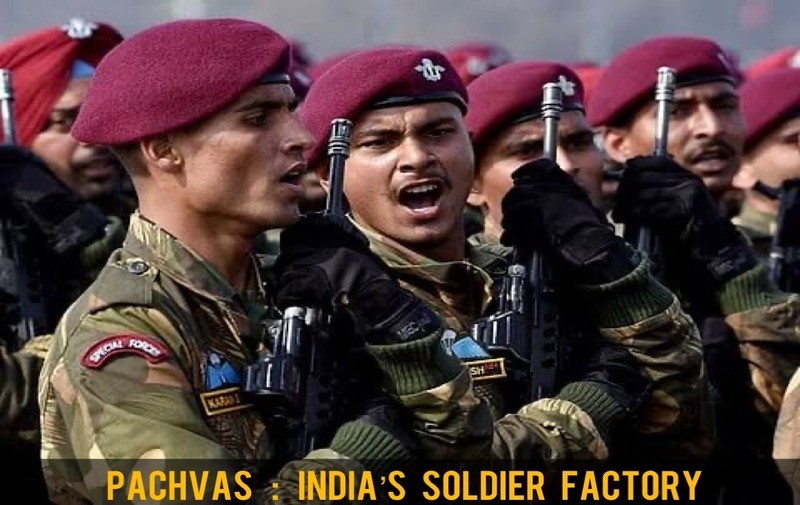
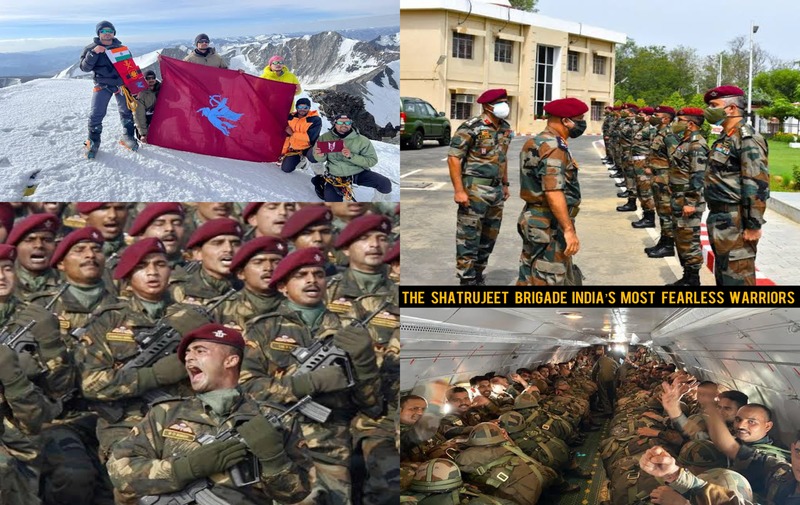
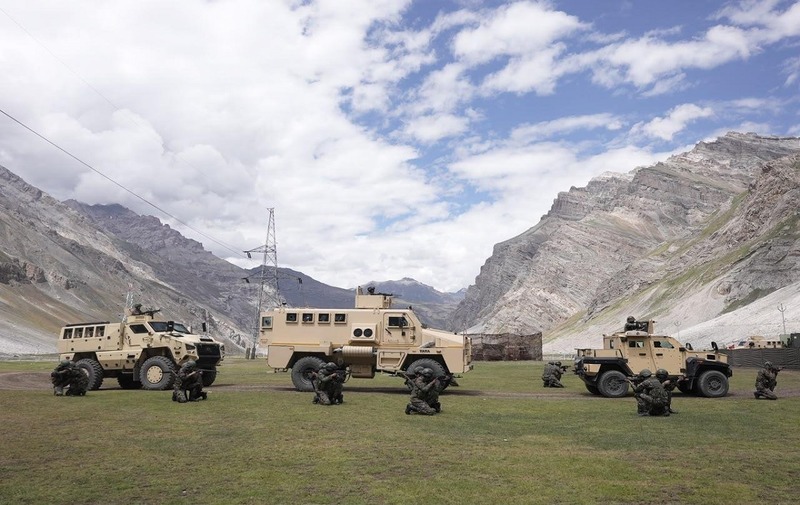
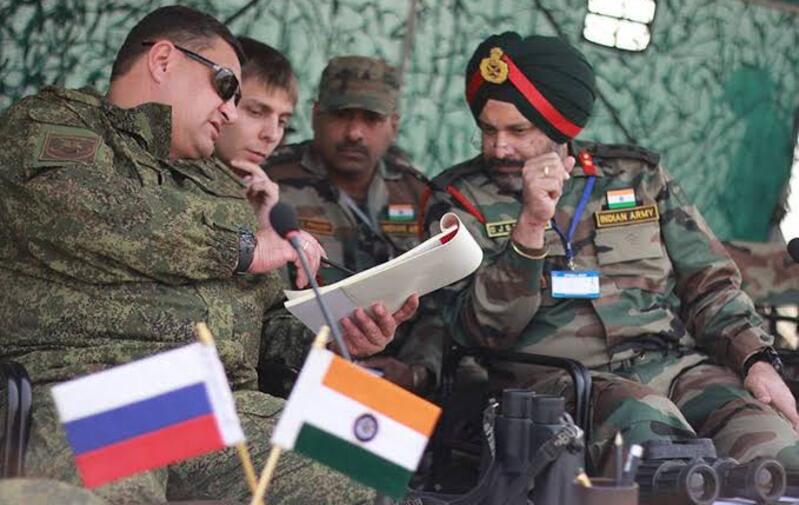
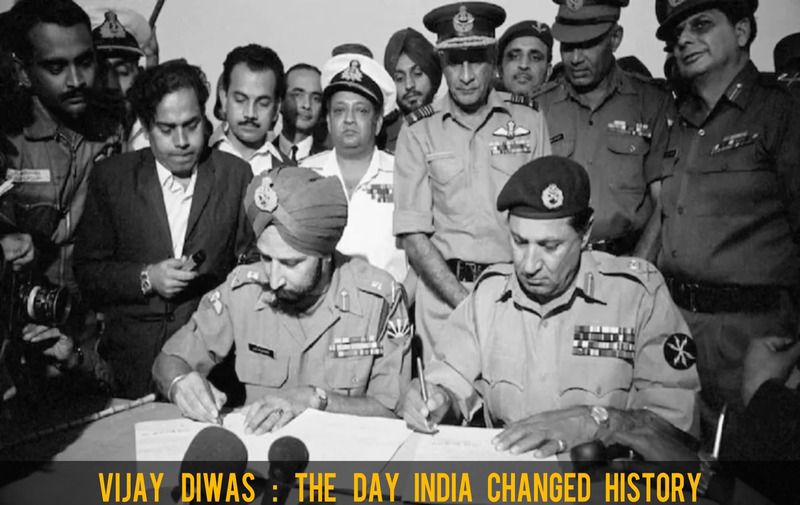
In the vast expanse of the Indian Army’s formations, few names inspire as much awe as the Shatrujeet Brigade, officially known as the 50th Independent Parachute Brigade. Renowned for its unmatched airborne capabilities, lightning-fast deployment, and a storied history that spans over eight decades, the brigade is more than just a military unit; it’s a living embodiment of courage, readiness, and victory.A Name with Power and PurposeThe name “Shatrujeet” means “the conqueror of enemies,” and it’s not just a label; it’s a legacy. Inspired by a mythological warrior who could defeat any adversary, the brigade’s emblem of a winged centaur in full stride captures its spirit of agility, speed, and unstoppable force. Paired with the iconic Balidan Dagger, the symbol declares its willingness to sacrifice and prevail.Historical OriginsThe Shatrujeet Brigade was born in October 1941, during World War II, under the British Indian Army. At the time, the world was witnessing the rise of specialized airborne forces, and India responded with its own elite unit. Initially part of the 44th Indian Airborne Division, its baptism of fire came in the Battle of Sangshak (1942), where it held back the Japanese advance long enough to secure victory at Kohima. From there, the brigade’s pre-independence operations ranged from fighting the Hur tribesmen in Hyderabad-Sind to daring intelligence missions in Burma and the famous airborne assault on Elephant Point in Rangoon (1945).Post-Independence ValorAfter India’s independence in 1947, the Shatrujeet Brigade seamlessly transitioned into the Indian Army, carrying forward its battle-hardened ethos and elite airborne capabilities. It became a frontline force in nearly every major conflict India has faced, leaving a legacy of courage and strategic brilliance. During the Indo-Pak War of 1947–48, its troops defended Kashmir with unmatched strength. In the Goa Liberation of 1961, the brigade’s paratroopers were the first to reach Panjim, braving dangerous minefields and river crossings to liberate the territory. The Indo-Pak War of 1965 saw them capturing the Jallo railway bridge under intense enemy fire, while in 1971, during the liberation of Bangladesh, the 2nd Battalion’s paratroopers made history as the first Indian soldiers to set foot in Dhaka. In 1988, the brigade executed the daring Operation Cactus, airlifting troops to the Maldives in under nine hours to foil a coup and rescue the president, a mission that seemed straight out of a movie. Even in the rugged heights of the Kargil War in 1999, they proved their mettle, clearing enemy positions in the Mushkoh Valley under treacherous conditions.Modern-Day OperationsThe Shatrujeet Brigade’s relevance hasn’t dimmed with time; in fact, it has evolved. Operation Brahma (2025): Dispatched a 118-member medical task force to Myanmar after a devastating earthquake, setting up a 60-bed trauma center. Exercise Bull Strike (2025): Demonstrated precision airborne drops and strikes in the Mahajan Field Firing Range. Ladakh Airlift Exercise: Validated its rapid-response readiness in high-altitude terrain.Paramotor Expedition: Marked the 250th anniversary of the Army Ordnance Corps with a historic flight from Delhi to Secunderabad.Elite Structure and CapabilitiesHeadquartered in Agra, Uttar Pradesh, and operating directly under the Director General of Military Operations (DGMO), the Shatrujeet Brigade is built for lightning-fast deployment, capable of mobilizing within just two hours. Its elite composition makes it a self-sufficient strike force, ready for action in deserts, dense jungles, or snow-covered peaks. The brigade includes two regular parachute battalions and one Special Forces unit trained for the most challenging missions, backed by the formidable 9th and 17th Parachute Field Regiments for artillery support. The 60th Parachute Field Hospital ensures medical readiness for both combat and humanitarian operations, while dedicated engineering and logistics units handle infrastructure, supplies, and maintenance in the harshest conditions. An air defense battery safeguards against aerial threats, and the prestigious President’s Bodyguard serves as the pathfinder company, conducting reconnaissance and securing drop zones. Together, this highly versatile and cohesive structure enables the Shatrujeet Brigade to operate independently, often deep behind enemy lines, with unmatched precision and speed.Why It’s SpecialThe Shatrujeet Brigade stands out globally for its extraordinary capabilities, with few formations in the world able to mobilize, load onto C-130 or AN-32 aircraft, and be combat-ready anywhere within two hours. It embodies a rare duality, equally adept at rescuing civilians in disaster zones as it is at neutralizing enemy threats in high-stakes combat. Its historic legacy spans from its heroic actions in World War II to decisive roles in the Kargil conflict, firmly etching its name into India’s military history. On the international stage, it commands respect as a regular participant in joint exercises like the Nomadic Elephant series with Mongolia, strengthening global defense ties. Above all, the brigade symbolizes the very spirit of “Shatrujeet,” never backing down, whether in the face of an armed adversary or during humanitarian relief missions, always ready to deliver with courage and precision.Path to the Shatrujeet Brigade: How India’s Elite Paratroopers Are MadeThe Shatrujeet Brigade, India’s elite airborne strike force, doesn’t recruit directly from civilians; it selects only the best from within the Indian Army. Aspirants must first join the Army through entries like NDA, IMA, OTA, or soldier recruitment rallies, and then volunteer for the Parachute Regiment, the brigade’s parent unit. Selection is famously unforgiving, with a probation period of up to three months testing extreme physical endurance, mental resilience, and tactical skill, where most fail. Successful candidates undergo the Basic Airborne Course at the Paratroopers Training School in Agra, completing at least five parachute jumps from aircraft. Those joining its Special Forces battalion face even tougher training in jungle, desert, mountain, and high-altitude warfare. Only after proving themselves in these trials are soldiers posted to the Shatrujeet Brigade, where they remain on constant two-hour deployment readiness, capable of combat anywhere in the world. As India navigates the challenges of modern security, the Shatrujeet Brigade remains its sharp airborne spear, ever-ready to descend from the skies and defend the motherland.










.jpeg)







.jpg)
.jpg)





.jpg)