
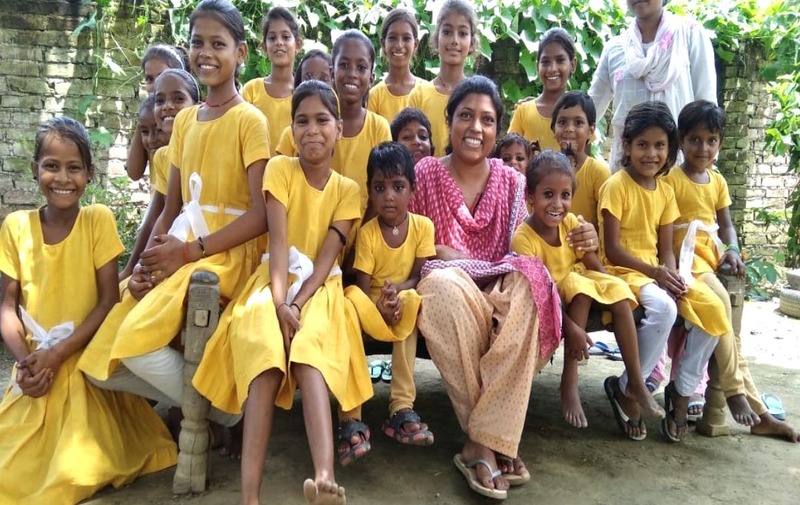
Where Girls Learn to Grow Dreams Alongside Crops: The Inspiring Story of Good Harvest School
In a small village in Unnao, a quiet yet powerful transformation is taking place. At The Good Harvest School, education is not confined to classrooms it extends into fields, soil, and seeds. Founded in 2016 by Ashita Nath and Anish Nath, the school is considered India’s first agriculture-focused institution exclusively for girls. Here, students learn subjects like English, mathematics, and science alongside practical farming skills, creating a holistic learning environment that is both innovative and deeply rooted in local realities.The Idea Born from Two ChallengesThe foundation of the school lies in addressing two pressing issues in the region: declining agricultural viability and the lack of education for girls. When the Naths moved from Delhi to rural Uttar Pradesh, they were struck by the harsh realities faced by farmers. Agriculture, once a stable livelihood, had become increasingly unsustainable. Many farmers were selling their land or migrating in search of better opportunities. At the same time, a social imbalance was evident—boys were sent to school, while girls were often kept at home, limiting their opportunities for growth.The couple realised that solving these problems required a combined approach. Education alone was not enough, and neither was agricultural reform in isolation. What was needed was a model that connected both—and that’s how The Good Harvest School was born.Learning Beyond the ClassroomUnlike traditional schools, learning at Good Harvest happens directly in the fields. Spread across farmland, the campus includes a nursery, seed bank, and livestock areas, making it a living classroom. Students actively participate in every stage of farming—from selecting seeds and preparing soil to harvesting crops. This hands-on approach not only teaches them scientific farming techniques but also builds confidence and practical life skills. By understanding how food is grown, students develop a deeper connection with nature and a sense of responsibility toward sustainable living.Redefining Education for GirlsOne of the most powerful aspects of the school is its focus on girls’ education. In many rural areas, girls often face barriers to schooling due to social norms, safety concerns, or economic constraints. The Good Harvest School creates a safe and supportive environment where girls can learn, grow, and dream beyond traditional limitations. By combining academics with practical skills, the school ensures that education is not just theoretical but also relevant to their daily lives. This approach empowers girls to contribute to their families and communities while also opening doors to future opportunities.A Journey Rooted in PurposeThe journey of Ashita and Anish Nath is as inspiring as the school itself. After spending several years working in Delhi, Anish decided to leave his corporate job in search of a more meaningful life. In 2013, the couple purchased farmland in Unnao, hoping to engage in sustainable agriculture. However, they soon realised that the challenges were far deeper than expected. Anish tried to support local farmers by introducing scientific methods and bringing in experts from agricultural institutions, but progress was slow. At the same time, Ashita, with over a decade of teaching experience, noticed the poor state of education in the region. Students in higher classes struggled with basic reading skills, highlighting a systemic gap in learning. These experiences led the couple to rethink their approach. Instead of working on agriculture and education separately, they decided to combine the two creating a model that addresses both challenges simultaneously.Building Stronger CommunitiesOver the years, Good Harvest has expanded its impact beyond the school itself. Through various initiatives, it has reached over 5,000 children, more than 100 households, and over 15 villages. Programs like art-based learning initiatives, summer camps, and community gatherings for young mothers have helped strengthen community bonds and promote holistic development. This approach reflects a broader vision not just to educate individuals, but to build stronger, more connected communities. The success of The Good Harvest School highlights the importance of innovative education models that address local challenges. By integrating sustainability, practical skills, and academic learning, the school offers a blueprint for the future of education not just in rural India, but globally. As climate change and food security become pressing concerns, teaching the next generation about sustainable practices is no longer optional it is essential. The Good Harvest School in Unnao is more than just an educational institution it is a movement. By empowering girls, revitalising agriculture, and fostering community development, it is creating a ripple effect that extends far beyond its fields.