
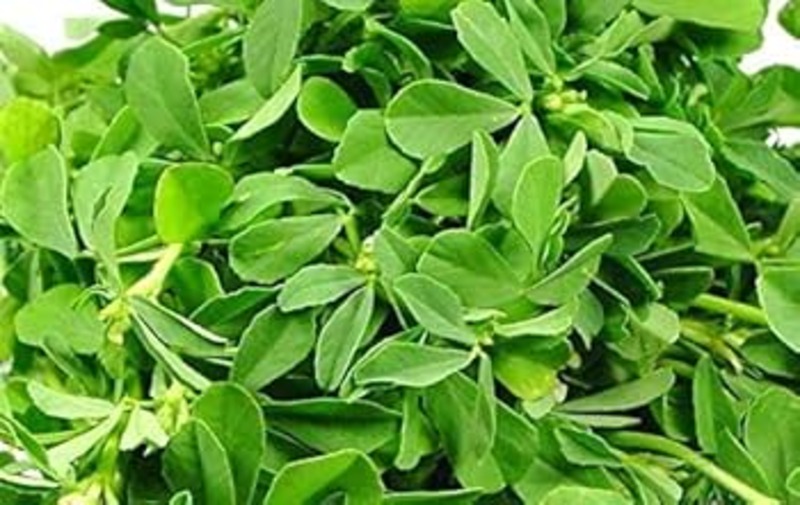
Nagauri Paan Methi Gets Historic Recognition, Securing Farmers’ Rights and Preserving a Unique Indian Crop
In a landmark development for Indian agriculture and traditional crop conservation, Nagauri Paan Methi, a unique variety of fenugreek grown in Rajasthan, has been officially registered as a Community Farmers’ Variety by the Protection of Plant Varieties and Farmers’ Rights Authority (PPVFRA). The registration was published in the Plant Variety Journal (February 2026 issue) and formally grants statutory ownership and legal recognition to the farming community of Nagaur district in Rajasthan. This recognition acknowledges the generations of farmers who have nurtured and protected this distinctive crop in the harsh arid climate of the region. More importantly, the registration represents the world’s first sui-generis intellectual property protection for Nagauri Paan Methi (Trigonella corniculata L.), highlighting the collective innovation and conservation efforts of farmers who have safeguarded this plant genetic resource for decades.Recognising Farmers as Custodians of Traditional CropsThe registration was granted under the Protection of Plant Varieties and Farmers’ Rights Act, 2001, a law designed to protect both plant breeders and farmers who develop or conserve traditional crop varieties. Under this recognition, the Community of Farmers of Nagaur is officially acknowledged as the rightful custodian and rights holder of the crop. The farming community is represented by Geeta Devi, a woman farmer and Pradhan of Panchayat Samiti Mundwa. This legal recognition ensures that the community now holds intellectual property rights over the crop variety. In simple terms, the farmers who have cultivated and preserved Nagauri Paan Methi for generations are now officially recognized as its owners. Bhagirath Choudhary of the South Asia Biotechnology Centre (SABC) described the development as a historic moment for Indian agriculture. According to him, the registration reflects the generations of dedication and agricultural wisdom of Nagaur’s farmers, who have carefully preserved this variety despite the challenges of farming in a dry and difficult landscape.A Crop Shaped by the DesertNagauri Paan Methi is not just another variety of fenugreek. It is a crop uniquely adapted to the arid agro-ecological conditions of Rajasthan. Unlike many commercial varieties, this plant has evolved over generations through traditional farming practices and natural selection. Farmers in Nagaur cultivated and improved the crop by carefully saving seeds, selecting the best plants, and adapting cultivation methods suited to the desert climate. The result is a distinctive fenugreek variety known for its unique aroma, taste, and resilience. Such traditional varieties are extremely valuable for global agriculture because they carry important genetic traits, including resistance to drought, adaptability to harsh climates, and rich flavor profiles. Protecting these varieties is crucial in an era when agriculture faces increasing threats from climate change and biodiversity loss.Empowering Women FarmersThe recognition of Nagauri Paan Methi carries special significance because it highlights the role of women farmers. The farming community is represented by Geeta Devi, symbolizing the contribution of rural women who often play a crucial role in seed conservation, crop selection, and traditional farming practices. This recognition comes at a meaningful time, as the Food and Agriculture Organization (FAO) has declared 2026 as the International Year of Women Farmers. Women farmers across India have historically contributed to agricultural sustainability by preserving indigenous crop varieties and maintaining traditional knowledge systems. However, their role has often remained unrecognized. The registration of Nagauri Paan Methi therefore represents not just a legal milestone but also a powerful acknowledgement of women’s contributions to agriculture.Protecting Farmers from BiopiracyOne of the most significant benefits of this registration is protection against biopiracy. Biopiracy occurs when companies or individuals exploit traditional biological resources or indigenous knowledge without permission or compensation to the communities that developed them. With the new legal recognition, the Nagaur farming community now has protection against unauthorized commercial use, fake seeds, and misuse of the crop’s genetic resources. Farmers will also be entitled to benefit sharing if research institutions or commercial companies use Nagauri Paan Methi for developing new products or agricultural innovations. This ensures that farmers receive fair recognition and economic benefits from the resources they have protected for generations.A Step Toward Geographical Indication (GI) TagThe registration is also an important step toward securing a Geographical Indication (GI) tag for Nagauri Paan Methi. A GI tag identifies products that originate from a specific geographical region and possess qualities or reputation linked to that location. Famous Indian examples include Darjeeling tea, Alphonso mangoes, and Banarasi silk. If Nagauri Paan Methi receives a GI tag in the future, it could significantly increase its market value and help farmers receive better prices for their produce. Such recognition also strengthens the identity of regional agricultural products in both domestic and international markets.Preserving Agricultural HeritageThe recognition of Nagauri Paan Methi highlights a larger truth about agriculture: farmers are not just producers; they are custodians of biodiversity and knowledge. For generations, the farmers of Nagaur protected this crop through patience, skill, and deep understanding of the land. Today, their efforts have finally received official recognition. By protecting traditional crops like Nagauri Paan Methi, India is not only safeguarding agricultural heritage but also strengthening the future of sustainable and resilient farming systems.