Ladakh Puts on a Spectacular Show as World’s Highest Twin Flower Fields Open at 10,600 Feet
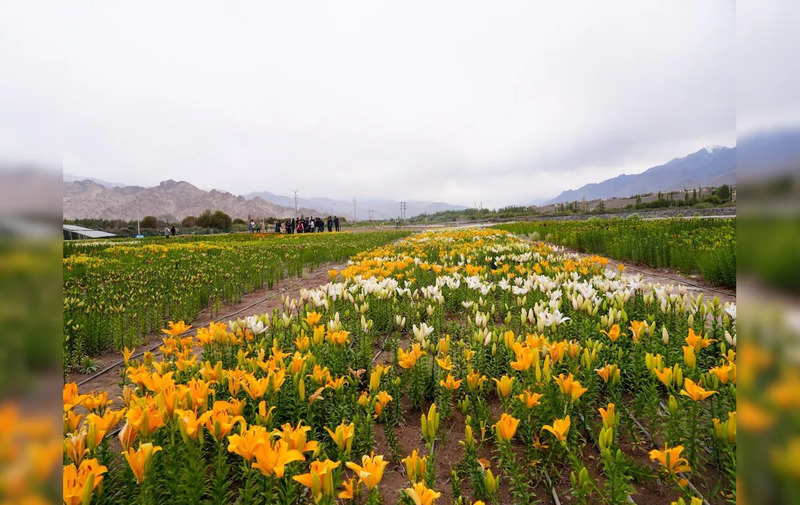
Ladakh is known for its stark mountains, barren landscapes and extreme weather. But now, a splash of colour is blooming high in the Himalayas.Lieutenant Governor Vinai Kumar Saxena on Thursday inaugurated the world’s highest and India’s largest twin flower fields in Leh, located at an altitude of 10,600 feet. Spread across 40 acres at Choglamsar and Stakna, the ambitious project features more than 25 lakh high-value flowers, including 24 lakh Lilium and one lakh Gladiolus.The initiative is part of the Ladakh administration’s efforts to diversify agriculture, develop new skills and create additional livelihood opportunities for local communities.From Rocky Terrain to a Sea of FlowersThe Choglamsar flower field is already showcasing what is possible at such an altitude. Developed in just two months, plantation began on July 16, with the first blooms appearing in the first week of September. At Stakna, nearly 1.4 lakh lilies were planted in August, with the first flowers expected to bloom by the end of October.The scale of the project makes it a significant experiment in high-altitude floriculture. According to the administration, its success could open the door for similar initiatives in other parts of Ladakh.Growing More Than FlowersThe project is not simply about creating a spectacular attraction. It is also designed as a training, demonstration and model floriculture centre for farmers and young people. Lilium, Gladiolus, Tulips and other ornamental flowers will be cultivated with the aim of developing markets within India and overseas.The centre will introduce farmers to modern cultivation methods, scientific farming practices and improved post-harvest management. This could help local cultivators explore floriculture as a high-value agricultural activity alongside traditional farming. For young people, the fields could also create avenues for employment and entrepreneurship.A New Attraction for LehThe flower gardens will also add a new experience for residents and tourists visiting Leh. The gardens are set to open to the public on September 18, with entry priced at ₹25 for adults and ₹10 for children. The larger vision, however, extends beyond tourism. The administration sees the flower fields as a space where flowers, skills, knowledge and new enterprises can grow together.At 10,600 feet, Ladakh is proving that even the harshest landscapes can transform into a splash of colour and a new agricultural possibility.

.jpg)


 (1).jpeg)