When Diwali Smelled Like Home: A Journey Through Forgotten Festive Foods
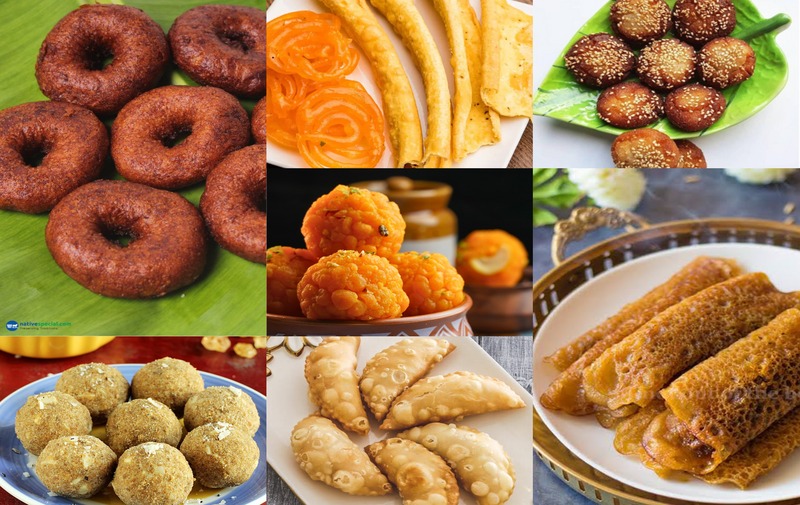
Diwali, the festival of lights, is often celebrated with grandeur, with homes decked with diyas, vibrant rangolis, and the exchange of sweets and gifts. But behind the sparkle lies something even more soulful: food. Every Indian household once had its own Diwali kitchen story, filled with traditional recipes passed down through generations. Unfortunately, with the rise of packaged sweets and store-bought snacks, many regional delicacies have quietly disappeared from our dining tables. This article shines a light on those forgotten flavors—dishes that deserve a glorious comeback.1. The Lost Treasures of the NorthBefore the days of boxed laddoos and imported chocolates, North Indian homes were filled with the aroma of age-old recipes made with patience and love. One such delicacy is Anarsa, a Bihari and Maharashtrian treat made from rice flour, jaggery, and poppy seeds. Traditionally soaked rice is ground, mixed with jaggery, fermented, and deep-fried to create this golden, crunchy delight. It symbolizes prosperity and sweetness in relationships—something that truly fits the spirit of Diwali. Another forgotten gem is Gond ke Ladoo, once a staple wintertime Diwali sweet in Punjab and Uttar Pradesh. Made with edible gum, wheat flour, nuts, and ghee, it was not only delicious but also nutritious, giving warmth and energy in the cooler months. Sadly, these have now been replaced by mass-produced sweets that lack the warmth of handmade love.2. Western India’s Fading Festival FlavoursMaharashtra and Gujarat have long been known for their festive snacks. Karanji (also known as Gujiya in North India) was once the pride of Maharashtrian homes. Filled with coconut, jaggery, and dry fruits, this crispy pastry was made in bulk to share with neighbors and relatives. Each household had its unique twist; some added sesame, others included roasted gram powder for a nutty taste. In Gujarat, Chorafali and Fafda-Jalebi were once exclusive to Diwali mornings, served after early morning rituals. While Fafda-Jalebi still enjoys popularity, Chorafali, a crunchy, spiced snack made from lentil flour, has almost vanished from urban menus. Bringing these snacks back isn’t just about taste; it’s about reviving the joy of handmade food and community sharing.3. Eastern India’s Sweet SimplicityIn Bengal, Diwali coincides with Kali Puja, and while the festival is famous for its sweets, some traditional dishes have faded from memory.One such delicacy is Pati Shapta, thin crepes made of rice flour, stuffed with coconut and jaggery filling. Though still made by a few households, it has largely been replaced by factory-made sandesh and rasgullas.In Odisha, Arisa Pitha, a deep-fried rice cake soaked in jaggery syrup, was once made in almost every home. It symbolized warmth, sharing, and the idea that even the simplest ingredients—rice, ghee, and jaggery—could create something divine. These regional treats deserve to shine again on the festive table.4. Southern India’s Forgotten Festive BitesThe southern states of India have their own unique Diwali offerings. In Tamil Nadu, Adhirasam, made from rice flour and jaggery, has a history dating back centuries. The dough is left to ferment, giving it a rich, deep flavor before frying it into golden discs. Sadly, modern celebrations often skip this labor-intensive process in favor of quicker sweets. In Andhra Pradesh and Karnataka, Boondi Laddu and Kajjikayalu (similar to Karanji) were once essential Diwali treats. The joy of making them was communal; women from the neighborhood gathered to prepare, share stories, and pack boxes for relatives. These dishes carried more than flavor; they carried laughter, love, and connection.Beyond Taste: The Cultural ConnectionFood during Diwali is more than just festive indulgence; it’s an act of remembrance. Every recipe tells a story of regional identity, local ingredients, and family traditions. For instance, the use of jaggery instead of sugar in many older recipes wasn’t just for taste but also for health and symbolism; jaggery represents sweetness and togetherness. Similarly, hand-ground rice flour or sun-dried ingredients reflected patience and sustainability. Reviving these dishes can reconnect younger generations to their roots. In a time when fast food dominates, teaching a child how to shape a karanji or stir jaggery syrup can become a beautiful family tradition, one that bridges generations.Why These Recipes Deserve a ComebackThese forgotten recipes are more than nostalgic memories; they are lessons in sustainability, nutrition, and mindfulness. Most of them use locally available ingredients, minimal waste, and natural sweeteners like jaggery and honey. Bringing them back isn’t just about heritage; it’s about health and community. Imagine replacing artificial sweets with homemade treats with fewer preservatives, more nutrition, and a lot more love. Reviving traditional Diwali dishes doesn’t require elaborate effort, just intention. Start by picking one regional sweet or snack each year to prepare at home. Talk to your grandparents, ask about family recipes, and document them. Social media can also be a powerful tool to share these dishes online to encourage others to rediscover their heritage. What’s cooked with heart today could become the cultural legacy of tomorrow. Diwali is the festival of lights, but its true illumination lies in the warmth of family, tradition, and shared meals. As we light diyas this year, let’s also reignite the forgotten flavors of our ancestors. From Anarsa to Adhirasam, from Arisa Pitha to Karanji, every forgotten dish is a reminder that Diwali isn’t just about celebration; it’s about connection. Because when food tells a story, every bite becomes a memory, and every memory, a light that never fades.





.jpg)