
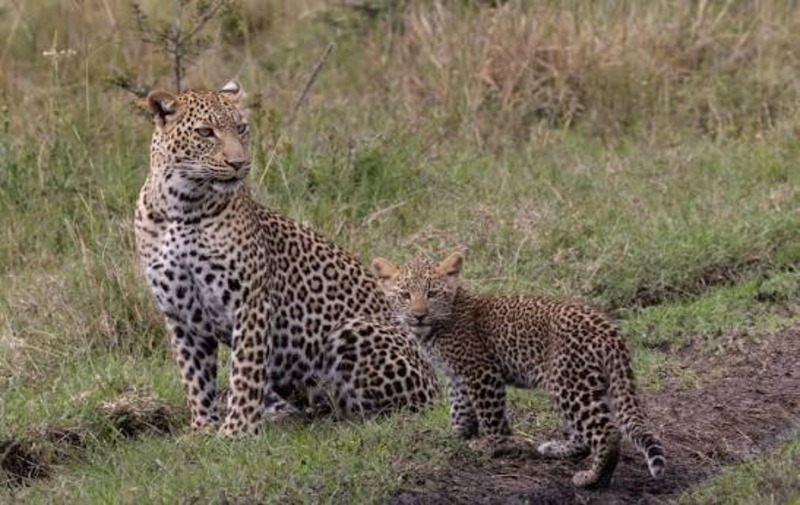
Birth Control for Leopards? India Launches a First-of-Its-Kind Trial to Address Leopard-Human Conflict
What if science could help reduce human-leopard conflict without permanently sterilising the animals or removing them from their natural habitats? Maharashtra is exploring this possibility through a pioneering wildlife conservation experiment.The Junnar Forest Division has released two female leopards into the wild after administering an immunocontraceptive drug under a pilot study. The animals, fitted with radio collars, will be closely monitored to assess the treatment’s safety and effectiveness.Approved by the Union Ministry of Environment, Forest and Climate Change (MoEFCC), the initiative is the first approved field trial of its kind involving leopards in India. The findings could help scientists understand whether fertility control can become an additional tool for managing wildlife populations in areas where encounters with humans are frequent.What Is Immunocontraception?Unlike surgical sterilisation, immunocontraception is a non-surgical method designed to prevent reproduction temporarily. The treatment used in the Junnar study aims to prevent ovulation in female leopards, potentially reducing the number of cubs born over time.The forest division first proposed the project in December 2023 and submitted a formal proposal in June 2024. Following a scientific assessment by the Wildlife Institute of India, the Centre approved the pilot on November 17, 2025.The initiative is being conducted with attention to veterinary care, animal welfare and safety protocols. Researchers will analyse blood samples and monitor hormonal changes to understand how the treated animals respond.Why Junnar Needs a Scientific SolutionJunnar and surrounding areas in Maharashtra have experienced frequent human-leopard interactions, including attacks on people and livestock. One factor contributing to the overlap is sugarcane cultivation, which provides leopards with shelter and suitable places to raise their cubs.As settlements and agricultural activity overlap with leopard habitats, forest authorities face the challenge of protecting communities while conserving wildlife. Traditional responses, including capturing and relocating leopards, do not necessarily address the underlying causes of recurring conflict. Fertility control is being investigated as another possible approach, although its effectiveness in free-ranging leopards remains unproven.The study will track the released leopards’ movements and behaviour, examine their hormonal responses and assess whether they conceive after mating in the wild. Officials plan to monitor the animals for approximately two-and-a-half years, while exploring the inclusion of three additional female leopards.The Indian Council of Medical Research’s National Institute for Research in Reproductive and Child Health (ICMR-NIRRCH), Mumbai, is collaborating on the research.Can This Change Wildlife Management?The trial is an important step in exploring science-led approaches to human-wildlife coexistence. However, its success will depend on long-term evidence about the treatment’s safety, reproductive effects and practical effectiveness.For now, the two leopards are at the centre of an experiment that could offer new insights into protecting both wildlife and communities living alongside it.