
India’s Hidden Grain: Arunachal Pradesh Brings Its Rare Red Rice to Global Markets
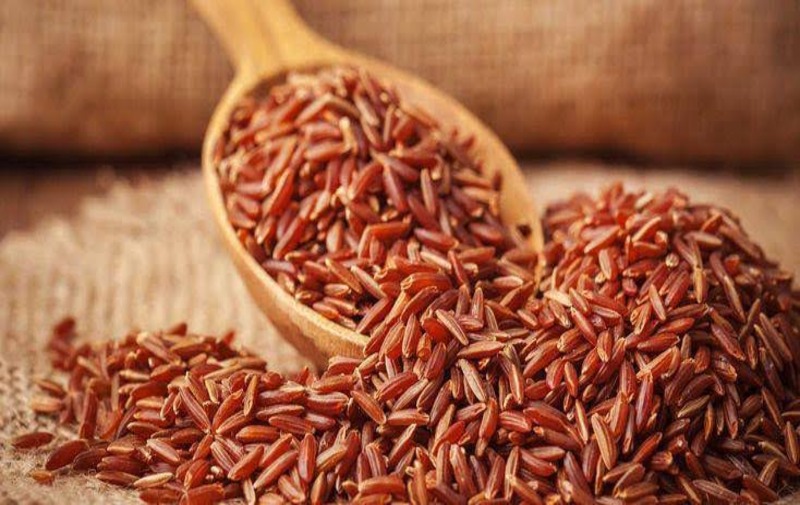
A rare variety of red rice from Arunachal Pradesh is now stepping onto the global stage. Recently, the state government officially introduced this traditional grain under the brand name Rakta Red Rice, highlighting a crop that has been grown in the Himalayan region for generations. The rice comes from the high-altitude district of Tawang, where farmers have carefully cultivated it for centuries. The initiative was launched to help local farmers gain better recognition and markets for their traditional produce. It is also part of a larger effort to bring unique agricultural products from Northeast India to national and international consumers. For the people of Arunachal Pradesh, this rice is more than just food. It represents culture, tradition, and the deep connection between the land and its communities. By promoting this heritage crop, the state hopes to create new income opportunities for farmers while sharing a piece of the region’s history with the world.How Communities Preserved This Rice for CenturiesThe story of Arunachal’s red rice begins in the small farming villages of Tawang, where the Monpa community has grown it for generations. Farming in this mountainous region is not easy. The climate is cold, the terrain is steep, and the growing season is short. Yet local farmers have developed traditional methods that allow this rice to thrive in such conditions. Instead of relying heavily on chemicals, many farmers follow natural and organic practices that have been passed down through families for decades.These methods protect the soil, preserve the environment, and keep the original seed varieties alive. In many villages, red rice is an important part of daily meals as well as cultural traditions and celebrations. Over time, however, many traditional crops across India have been replaced by high-yield varieties. Efforts like the launch of Rakta Red Rice aim to prevent that loss by encouraging farmers to continue growing their indigenous crops and giving them better access to markets.What Makes Red Rice So SpecialRed rice stands out because of its natural reddish colour, which comes from pigments present in its outer layer. Unlike polished white rice, this outer bran layer remains intact, making red rice richer in fibre, iron, and natural antioxidants. Many people consider it a healthier alternative to regular rice because it retains more nutrients. Apart from its health benefits, the Arunachal variety is unique because it grows in high-altitude conditions and carries the flavour of the region’s soil and climate. Traditional rice varieties like this are also important for agricultural biodiversity. They represent generations of farmers protecting and passing down seeds that can survive in specific environments. Today, as people around the world show growing interest in organic and traditional foods, Arunachal’s red rice has the potential to become a sought-after product. What began as a humble grain grown in the quiet Himalayan valleys could soon find its way onto plates far beyond India, carrying with it the story of the land and the people who preserved it for centuries.