
8,931 Days of Leadership: The Story Behind Narendra Modiji's Historic Milestone
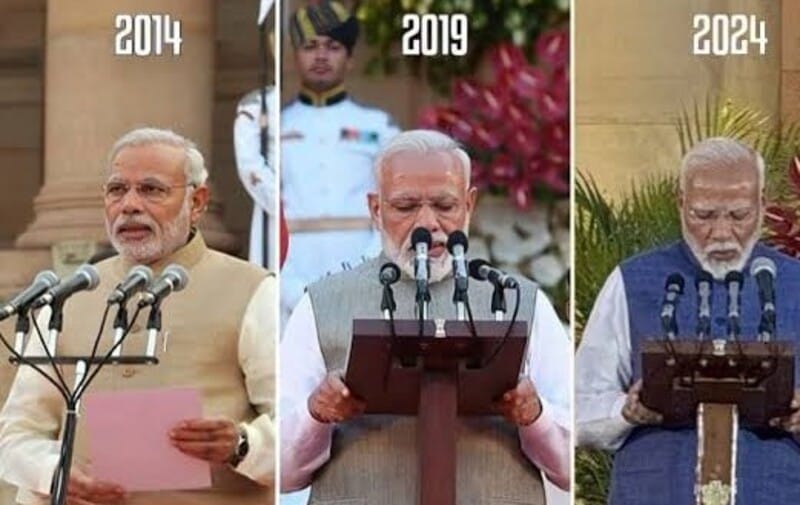
India’s political landscape witnessed a landmark moment as Prime Minister Narendra Modi became the longest-serving head of a government in the country. Surpassing the previous record of 8,930 days held by Pawan Kumar Chamling, Modi crossed 8,931 days in public office, combining his tenure as Chief Minister of Gujarat and as Prime Minister of India. This achievement is not just about numbers—it represents over two decades of continuous leadership, marking Modi’s entry into his 25th year in top governance roles.From Gujarat to Delhi: A Journey of LeadershipNarendra Modi’s political journey at the highest level began on October 7, 2001, when he took oath as the Chief Minister of Gujarat. Over the next 13 years, he established himself as the longest-serving Chief Minister of the state, winning four consecutive terms. In 2014, Modi transitioned to national politics, becoming the 14th Prime Minister of India after a decisive victory in the Lok Sabha elections. His leadership continued with victories in 2019 and 2024, making him a rare three-term Prime Minister. Notably, he also became the first Prime Minister of India to be born after Independence, symbolising a generational shift in leadership.Breaking Records and Setting New BenchmarksModi’s milestone of becoming the longest-serving head of government places him ahead of some of India’s most prominent political figures. Before this, the record was held by Pawan Kumar Chamling, who served as the Chief Minister of Sikkim for over 24 years. Prior to Chamling, Jyoti Basu held the record with more than 23 years in office. Another notable name is Naveen Patnaik, who served Odisha for over 24 years and remains one of the longest-serving leaders in India. By surpassing these records, Modi has set a new benchmark in Indian governance, highlighting both political longevity and sustained electoral success.A Leader with Unmatched Electoral SuccessOne of the defining aspects of Modi’s career is his consistent success in elections. From Gujarat to the national stage, he has secured repeated mandates from the public. He remains the first non-Congress Prime Minister to complete two full terms and return for a third consecutive term with a strong mandate. This reflects not just political strategy but also the ability to connect with voters across diverse regions of India. His leadership has been associated with major policy initiatives, development programs, and a strong global presence for India. Beyond governance, Narendra Modi has also established a powerful presence in the digital world. He is among the most-followed political leaders globally. In February, he crossed 100 million followers on Instagram, becoming the first serving world leader to achieve this milestone. His reach extends further with over 106 million followers on X and more than 30 million subscribers on YouTube. This digital influence reflects his ability to engage directly with citizens, especially younger audiences, in an increasingly connected world.Recognition and Political ReactionsThe milestone has drawn praise from across the political spectrum. Rajnath Singh congratulated Modi for his long public service, highlighting his dedication and contribution to the nation. Similarly, Amit Shah described Modi’s journey as an era of transformation, emphasising his role in development, governance, and enhancing India’s global standing. Such recognition underscores the significance of this achievement in India’s democratic journey. For millions of Indians, Modi’s long tenure represents stability and continuity in governance. His rise from a state leader to a global figure resonates with people who see it as a story of perseverance and ambition. At the same time, his journey reflects the evolving aspirations of a nation one that values strong leadership, development, and global recognition. Whether one agrees or disagrees with his policies, there is no denying that his political journey has had a deep impact on India’s socio-political landscape.A Reflection of Democratic StrengthIndia, as the world’s largest democracy, thrives on regular elections and changing leadership. In such a system, maintaining long-term leadership requires consistent public support. Modi’s record is a reflection of this democratic strength where voters have repeatedly chosen continuity in leadership. It also highlights how political narratives, governance models, and leadership styles can evolve over time while maintaining public trust. Narendra Modi’s achievement of becoming the longest-serving head of a government in India marks a defining moment in the country’s political history. It is a milestone built on years of leadership, electoral success, and public engagement. As he continues his tenure, this record will remain a benchmark for future leaders, symbolising both the opportunities and responsibilities that come with long-term governance. In the end, it is not just about the number of days in office, but the impact those days leave on a nation’s journey forward.