Lighting Up the Globe: Inside Bharat Electricity Summit 2026’s Mission to Transform Energy for Millions”
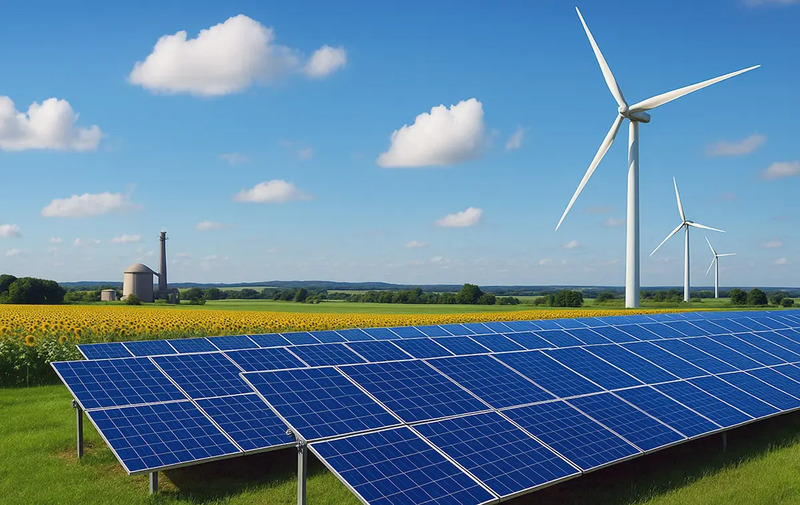
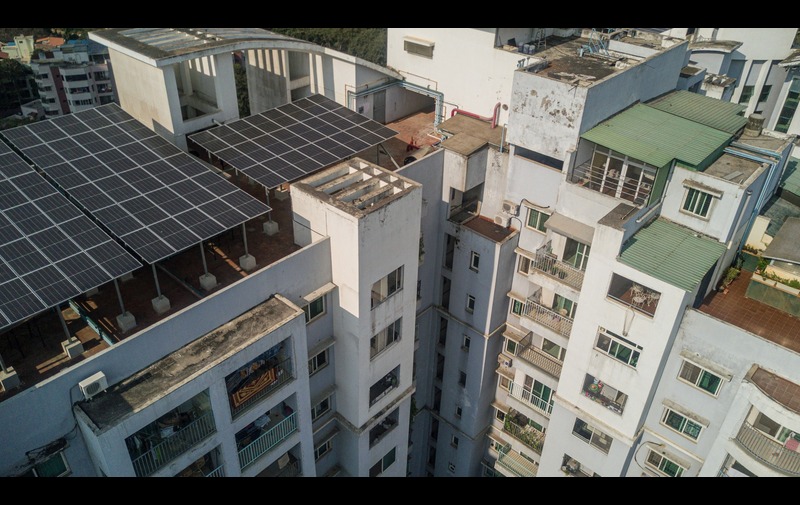
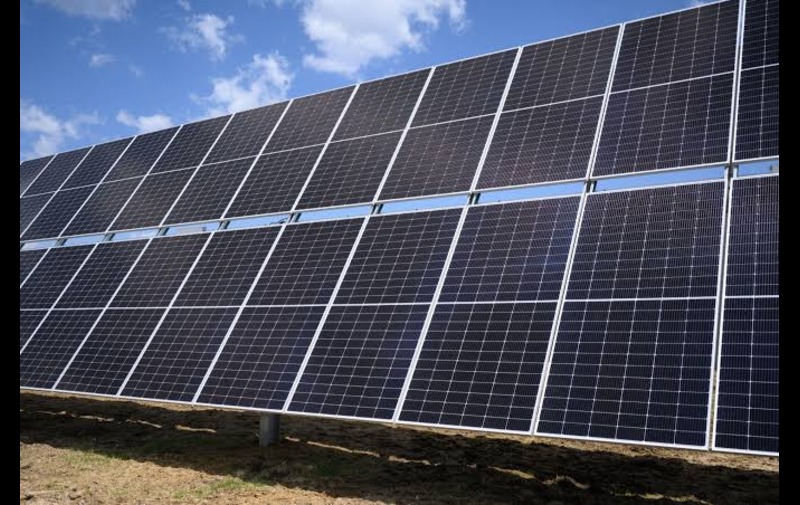
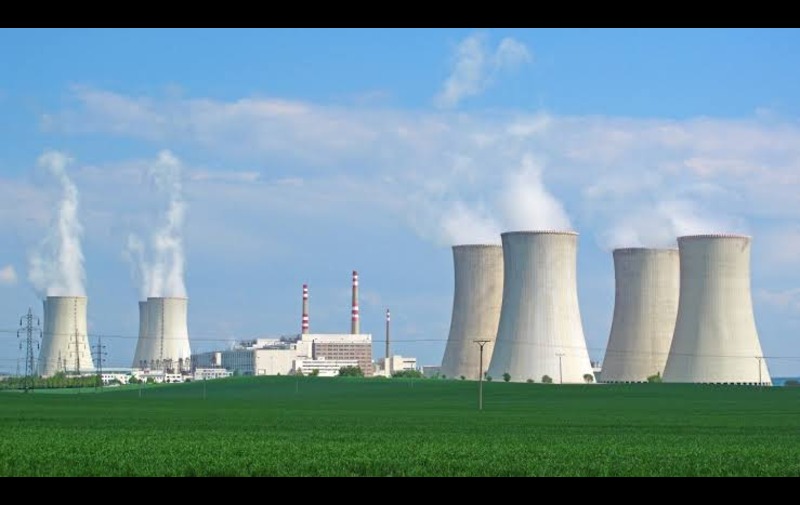
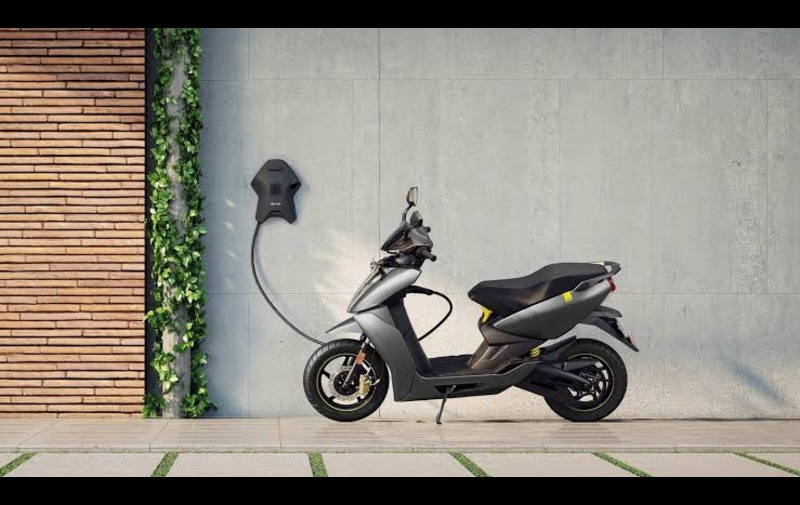
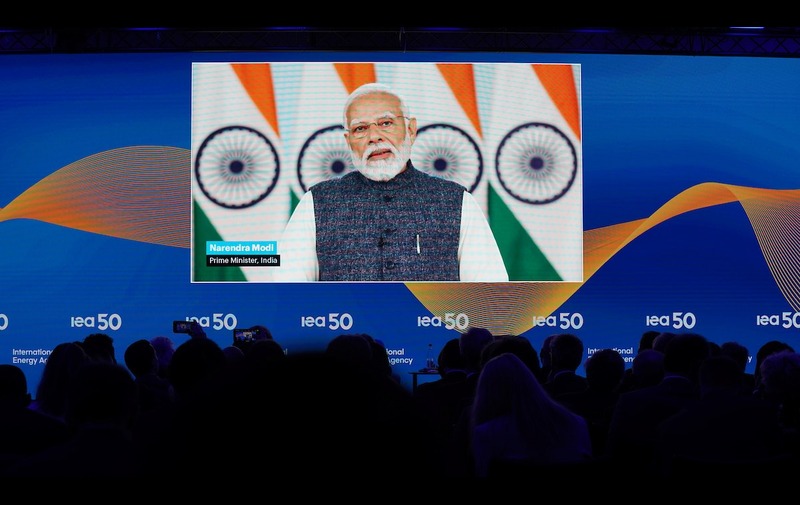
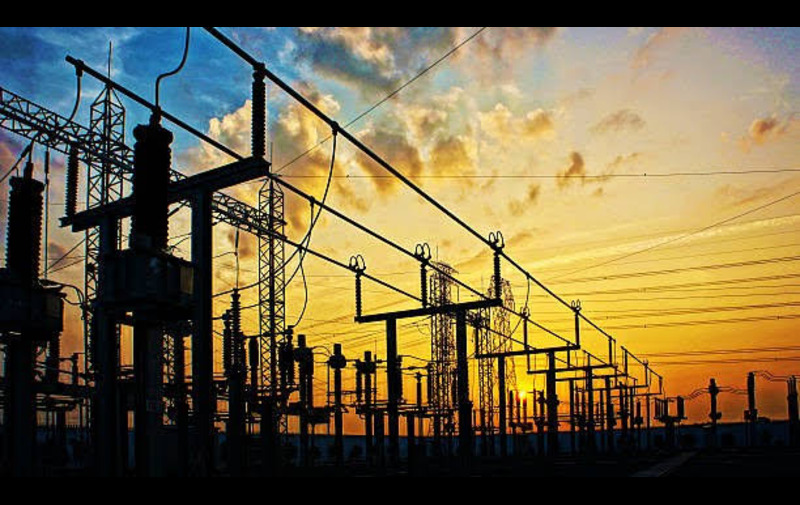
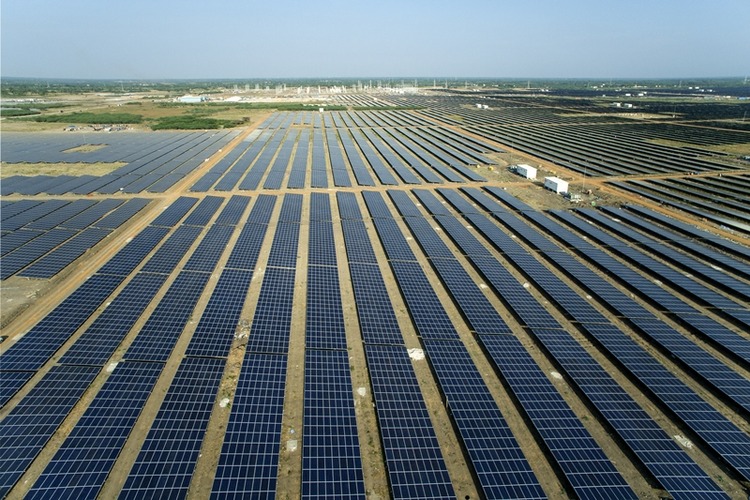
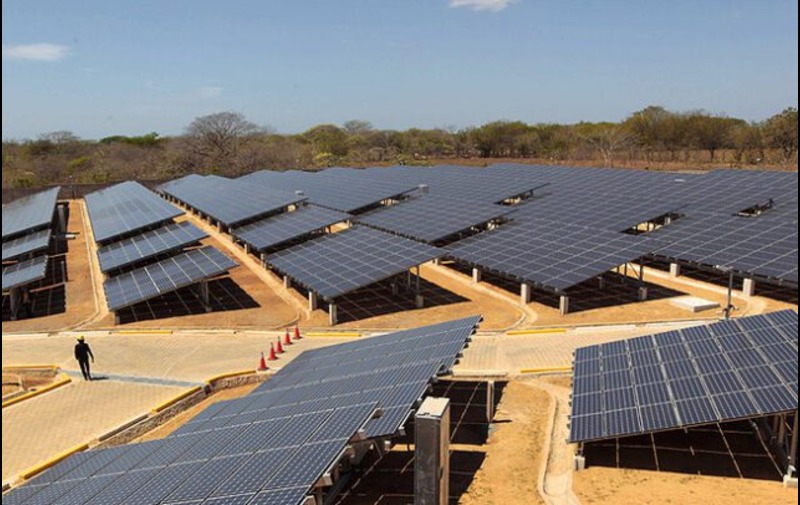
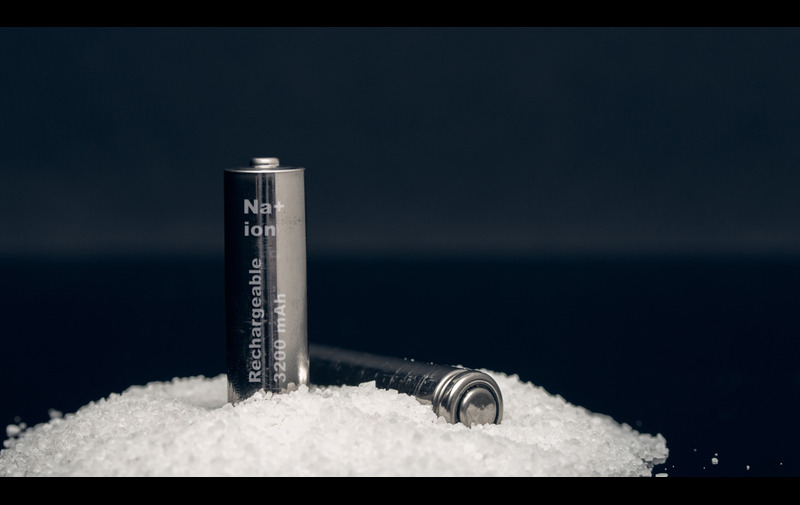
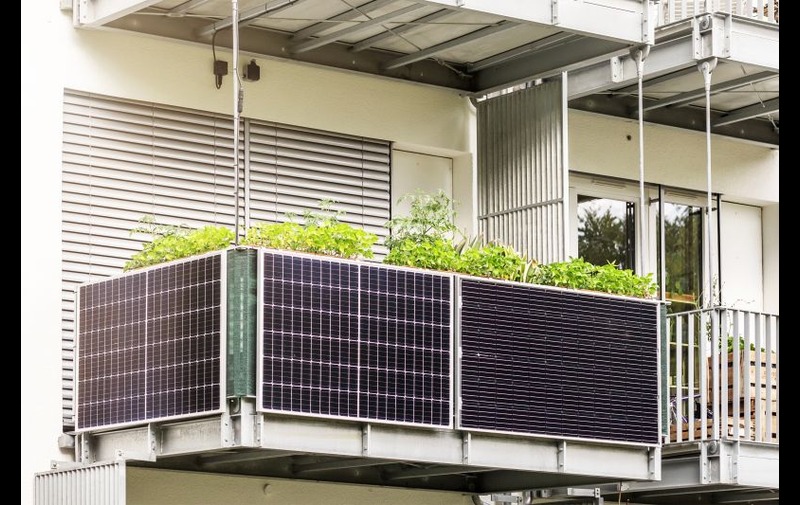
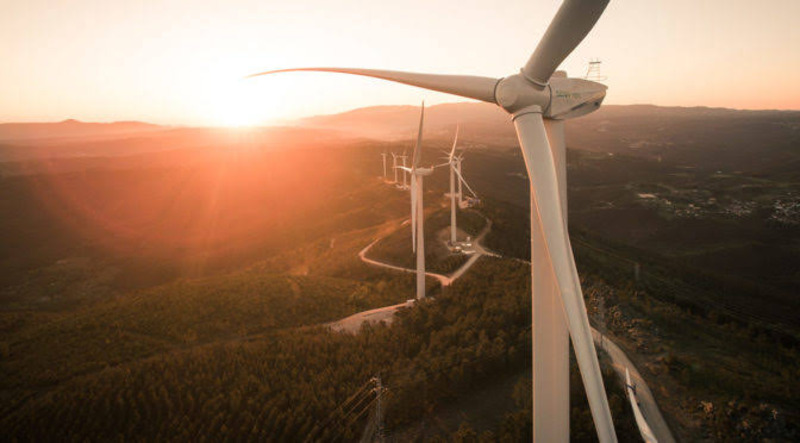
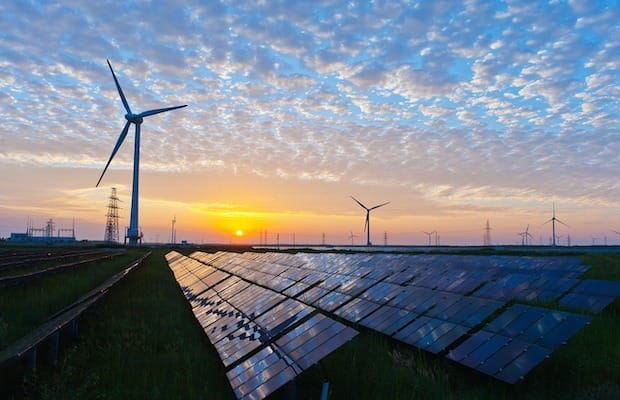
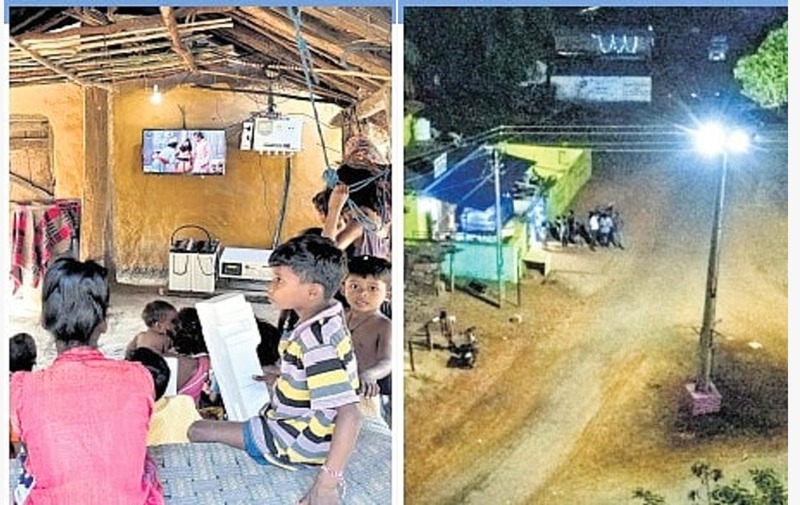
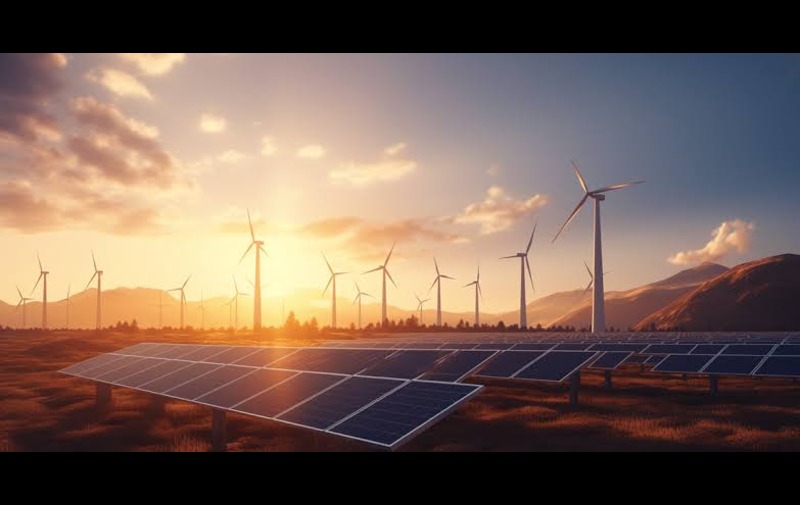
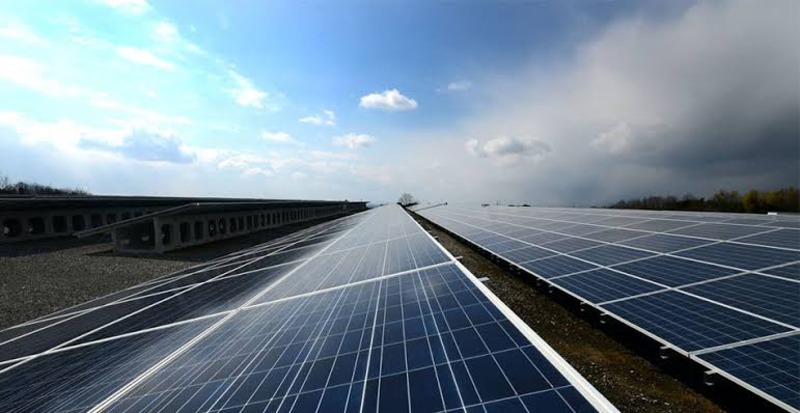
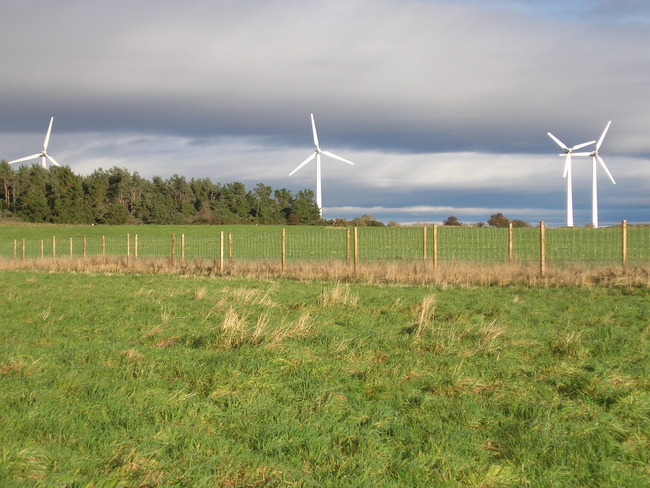
In a world increasingly defined by energy transformation, New Delhi is now the stage for one of the most significant global gatherings in the power sector. The Bharat Electricity Summit 2026, inaugurated at Yashobhoomi Convention Centre, brings together policymakers, industry leaders, startups, and international experts from over 80 countries. Spread across 20,000 square metres, the summit is not just an exhibition; it is a vision for a sustainable, electrified future. With more than 25,000 visitors expected over four days, this event demonstrates India’s growing influence in shaping the global energy landscape.A Global Confluence of Power and InnovationThe summit is a vibrant melting pot of ideas, featuring over 100 high-level sessions, 300+ speakers, and 500 exhibitors, including 100 dynamic startups. Ministers from around the world, alongside Indian Union and state leaders, come together to discuss pathways for a reliable and sustainable electricity system. The event reflects a deeper human connection: electricity is not just a technical resource—it powers homes, schools, hospitals, and industries. In rural villages, it illuminates classrooms and hospitals, while in urban centres, it enables digital economies. By hosting global experts in one space, the summit highlights how energy innovation touches lives everywhere.Theme: “Electrifying Growth. Empowering Sustainability. Connecting Globally.”The 2026 edition revolves around a theme that resonates across the globe: “Electrifying Growth. Empowering Sustainability. Connecting Globally.” The summit focuses on technical, economic, and social dimensions of electricity, covering generation, transmission, distribution, and energy storage. Renewable energy integration is a central topic, with solar, wind, and hydro technologies under discussion. Smart grids and digital transformation showcase how technology ensures reliable, efficient, and resilient electricity supply. Delegates explore energy storage solutions that can smooth fluctuations, particularly in renewable-heavy grids, ensuring power reaches every corner of society.Investment and Collaboration: Fueling India’s Energy AmbitionsThe summit is more than a discussion platform it is an investment magnet. Experts estimate potential investments of over ₹50 lakh crore in the electricity sector by 2032. Such capital inflows can drive innovation, strengthen supply chains, and enhance competitiveness in both domestic and global markets. Through ministerial meets, CEO forums, and specialized dialogues, Bharat Electricity Summit 2026 fosters partnerships between governments, industries, and academia. Initiatives like Make in India are reinforced, promoting indigenisation of critical technologies and creating new opportunities for local businesses, engineers, and entrepreneurs.Spotlight on Innovation and Emerging TechnologiesA major attraction of the summit is its exhibition spanning over 20,000 square metres. Here, attendees witness breakthroughs across power generation, renewable energy, transmission, distribution, energy storage, and digital technologies. Emerging areas such as Industry 4.0, carbon markets, hydropower, and energy startups receive special focus. Startups, in particular, are given a platform to demonstrate innovative solutions for sustainable energy. From battery storage innovations to AI-driven grid management, these technologies represent the future of electricity systems and show how young minds are transforming a critical sector that impacts everyday life.Power That Touches LivesWhile the summit is technical, the human story is its heart. Every innovation discussed, every panel convened, and every exhibition showcased ultimately affects people. Reliable electricity enables children to study at night, small businesses to thrive, hospitals to operate efficiently, and industries to drive employment. Attendees share stories of how electricity projects have transformed rural communities, powered health centres, and brought economic growth to small towns. These narratives remind everyone at the summit that behind the kilowatts and smart grids are millions of lives waiting to be empowered. The Bharat Electricity Summit 2026 positions India as a leader in the global energy transition. By connecting global expertise, technology, policy, and investment, the summit creates an ecosystem for collaborative growth. The discussions on renewable energy, smart grids, digital transformation, and sustainable investments are not just technical—they are about creating a cleaner, fairer, and more accessible world. India’s energy vision is being shared with the world, emphasizing collaboration rather than competition, innovation rather than convention.A Bright and Sustainable TomorrowAs the summit continues until 22 March 2026, one thing is clear: the future of electricity is not just about power generation; it is about inclusive growth, sustainability, and global connectivity. Bharat Electricity Summit 2026 is a celebration of human ingenuity and cooperation. It reminds us that electricity is more than infrastructure it is a lifeline for millions, a catalyst for development, and a beacon of hope for a sustainable future. From policy halls to exhibition floors, from startups to ministers, every participant contributes to a vision where energy empowers everyone, everywhere, connecting communities and countries alike. India’s leadership in electricity and clean energy is now illuminated on the global stage, inspiring nations to collaborate for a brighter, more sustainable world.






.jpg)
(1).jpeg)
.jpg)
.jpg)
.webp)







.jpeg)




.jpg)
.jpg)
 (1).jpeg)
.jpg)







.jpg)
 (1).jpeg)

.jfif)