
Waterlogging No More? Delhi Rolls Out Amphibious Machines for Year-Round Desilting
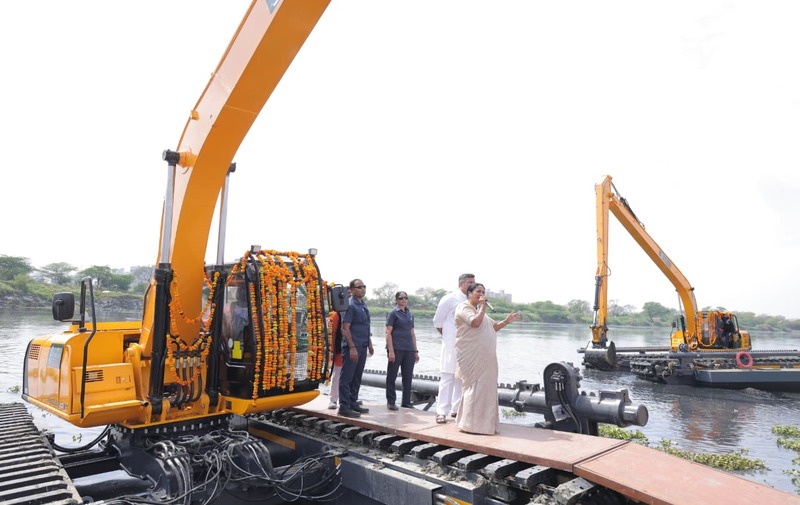
In a significant move to tackle long-standing urban challenges, the Delhi government has introduced advanced amphibious excavators to clean the city’s drainage network. Led by Chief Minister Rekha Gupta, this initiative is aimed at improving water flow, reducing waterlogging, and contributing to the larger goal of restoring the Yamuna River. The launch of these machines marks a shift toward more efficient, technology-driven solutions for problems that have affected the city for decades, especially during the monsoon season when clogged drains often bring daily life to a halt.Tackling the Root Cause: Najafgarh DrainA major focus of this initiative is the Najafgarh Drain, one of the biggest contributors to pollution in the Yamuna. Over the years, this drain has accumulated more than 10 million metric tonnes of silt, severely affecting its capacity to carry water and increasing the flow of untreated waste into the river. This buildup has not only worsened environmental conditions but has also led to frequent overflow and flooding in nearby areas. By targeting the Najafgarh drain, the government is addressing a critical source of both urban inconvenience and ecological damage, making this effort a key step toward long-term environmental improvement.Technology That Works Where Others FailThe introduction of amphibious excavators brings a new level of efficiency to drain cleaning operations. Unlike traditional machines, these excavators are designed to function seamlessly in both land and water, making them ideal for marshy and waterlogged areas where manual labor and conventional equipment often struggle. With features like extended boom reach and the ability to remove silt, garbage, and water hyacinth, these machines can handle complex cleaning tasks with greater speed and precision. The short-boom variants, each costing around ₹1.27 crore, are equipped with a six-metre boom and a powerful engine, allowing them to operate effectively in tight and challenging spaces. This technological upgrade ensures that years of accumulated waste can now be removed more systematically.A Shift to Year-Round DesiltingOne of the most important changes introduced alongside these machines is the move toward continuous, year-round desilting. In the past, drain cleaning was largely limited to the period just before the monsoon, often resulting in rushed and incomplete work. Now, the government aims to maintain drains throughout the year, ensuring that they remain clear and functional at all times. The machines have been deployed at several key locations across the city by the Irrigation and Flood Control Department, including Badusarai Bridge, Kakrola, Dwarka, Uttam Nagar, and Pankha Road. This proactive approach is expected to significantly reduce the risk of sudden flooding and improve the overall efficiency of the drainage system.Reducing Waterlogging and Urban StressWaterlogging has long been one of Delhi’s most visible and frustrating problems, particularly during heavy rains when blocked drains lead to flooded streets, traffic jams, and damage to property. By removing the massive accumulation of silt and debris, these amphibious machines will increase the water-carrying capacity of drains and allow rainwater to flow more freely. As highlighted by Parvesh Sahib Singh, this improvement is expected to reduce the impact of monsoon flooding and make the city more resilient to seasonal challenges. In the long run, it will also contribute to smoother daily life for commuters and residents alike.A Step Toward Reviving the YamunaThe initiative is closely linked to the broader goal of cleaning the Yamuna River, which has suffered from years of pollution and neglect. Drains like Najafgarh have played a major role in carrying waste into the river, making their cleaning essential for any meaningful restoration effort. By reducing the inflow of pollutants and improving water movement, this project represents a practical and necessary step toward reviving one of India’s most important rivers. It also reflects a growing recognition that urban infrastructure and environmental health are deeply interconnected.A City Moving ForwardDelhi’s decision to deploy amphibious excavators is more than just an infrastructure upgrade; it represents a shift in how urban challenges are addressed. By focusing on continuous maintenance, advanced technology, and environmental impact, the initiative lays the groundwork for a cleaner, healthier, and more resilient city. In the bigger picture, it shows how thoughtful planning and innovation can transform everyday problems into opportunities for lasting change, bringing Delhi one step closer to a future where clean drains and a rejuvenated Yamuna are not just goals, but realities.