
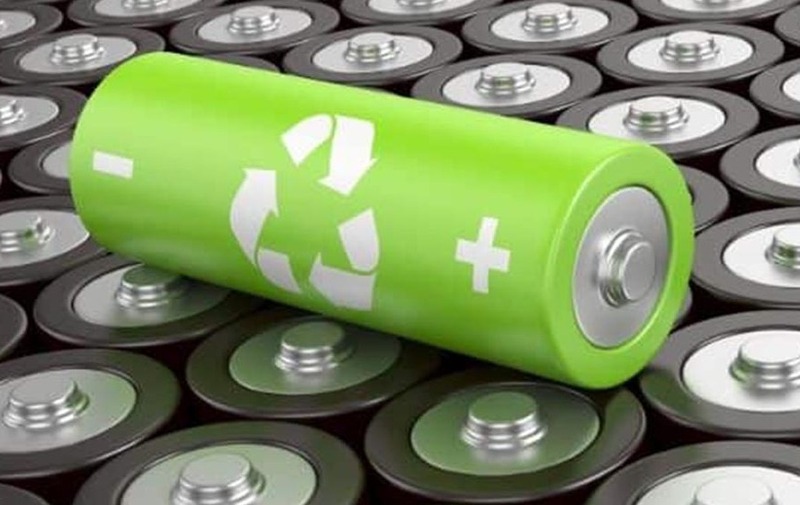
India Says No to Lithium Battery Waste Exports! Here's Why It Matters
What if the waste from discarded electric vehicle batteries could become a valuable resource for India's clean energy future? The country is taking a significant step in that direction by prohibiting the export of lithium-ion battery black mass, a material rich in minerals essential for electric vehicles, electronics and renewable energy storage.The Directorate General of Foreign Trade (DGFT) has amended the export policy, changing the status of lithium-ion battery waste and scrap containing black mass from 'Free' to 'Prohibited' with immediate effect, until further orders.Announced by the Commerce Ministry on November 11, 2026, the move aims to ensure that valuable battery waste is processed and refined within India rather than being shipped overseas.Turning Battery Waste into Valuable ResourcesBlack mass is the dark, powdery material obtained by shredding used lithium-ion batteries and battery manufacturing waste. Though it may look like ordinary industrial waste, it contains valuable critical minerals such as lithium, cobalt, nickel and manganese. These minerals play an important role in manufacturing electric vehicle batteries, energy storage systems, electronic devices and clean energy technologies.Recovering them from discarded batteries offers an opportunity to create a domestic source of essential raw materials while reducing the need for fresh mining and imports.A Boost for India's Recycling IndustryOne of the key reasons behind the decision is the growing gap between India's battery recycling capacity and the availability of raw material. According to the government, domestic recycling and refining capabilities have expanded considerably, but many facilities are not operating at their full potential because of inadequate feedstock.In some cases, Indian recyclers have even had to import black mass to meet their processing requirements, despite valuable battery waste being generated within the country. By restricting exports, the government expects to ensure a steady supply of raw material for domestic recyclers, improve their capacity utilisation and encourage fresh investments and employment in the sector.Strengthening India's Clean Energy AmbitionsThe decision is also expected to increase the domestic recovery of lithium, cobalt, nickel and other critical minerals, helping reduce India's dependence on imports and foreign exchange outflows. It complements the government's National Critical Mineral Mission and its ₹1,500-crore incentive scheme for promoting critical mineral recycling.The move also supports the idea of a circular economy, where discarded products are treated as valuable resources rather than waste. Often described as 'urban mining', this approach can reduce pressure on conventional mining while supporting more sustainable resource management.With electric mobility and renewable energy storage gaining importance, keeping valuable battery materials within the country could strengthen India's manufacturing ecosystem.What was once considered battery waste could increasingly become a resource powering India's next phase of clean energy growth.