
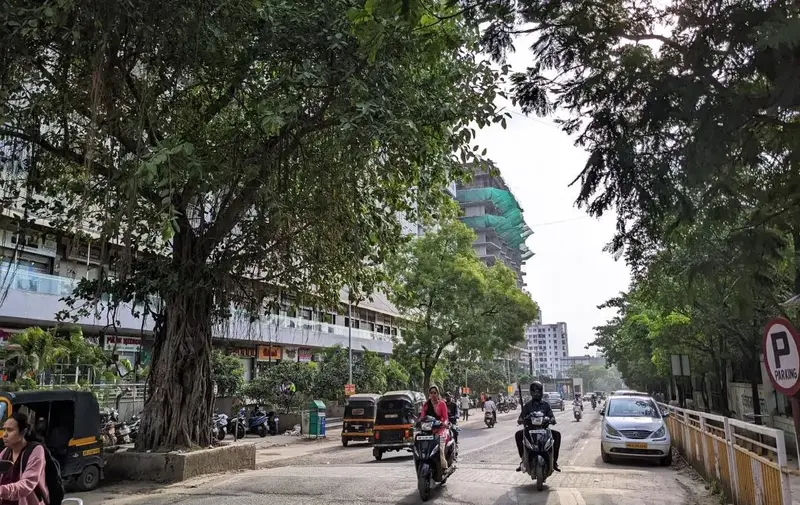
Pune Tops India’s Livability Rankings : Here’s Why It Matters
In recent years, a quiet yet powerful shift has been taking place across India’s urban landscape. Tier-2 cities—once considered secondary to bustling metros are now emerging as some of the best places to live, work, and grow. Leading this transformation is Pune, which has been ranked as the number one city in India for ease of living in 2025, surpassing major metros like Bengaluru and Mumbai. This shift is not just about rankings. It reflects a deeper change in how people perceive urban life where quality, comfort, and balance matter just as much as opportunities.The Rise of Tier-2 CitiesCities like Pune, Indore, Navi Mumbai, Tirupati, Chandigarh, Thane, Raipur, Vijayawada, and Bhopal are now competing strongly with India’s biggest metropolitan areas. These cities are no longer “alternatives” they are becoming first choices. The rankings are based on key factors such as ease of living, public services, infrastructure, and digital governance. What sets these cities apart is their ability to deliver modern facilities without the overwhelming chaos often associated with larger metros. Unlike crowded urban giants, Tier-2 cities offer breathing space both literally and figuratively.Why Pune Stands OutPune’s rise to the top is no coincidence it reflects years of steady efforts to balance development with livability. The city has grown into a major IT and automobile hub, attracting companies and startups that create strong job opportunities, especially for young professionals. At the same time, Pune offers a high quality of life with its pleasant climate, green spaces, and cosmopolitan culture, giving residents a balanced lifestyle that many metros struggle to provide. Ongoing infrastructure projects like the Pune Metro, along with improved roads and public services, have further strengthened its position, even as the city continues to evolve. Adding to this is Pune’s reputation as the “Oxford of the East,” with top educational institutions that bring in students from across the country, creating a vibrant, youthful atmosphere full of energy, ideas, and innovation.The Advantage Over Big MetrosOne of the main reasons people are moving to Tier-2 cities is affordability. Compared to metros like Mumbai or Bengaluru, cities such as Pune and Indore offer a much lower cost of living, making it easier for residents to manage housing and daily expenses comfortably. Life in these cities is also less stressful, as they have smoother traffic and shorter commute times, giving people more time for themselves and a better work-life balance. Additionally, with lower population density, public services like water supply, transport, and healthcare are less burdened, which helps them function more efficiently and improves the overall quality of life.The Role of Smart Planning and GovernanceAnother key factor behind the rise of these cities is improved governance. Digital services, better city management systems, and smart city initiatives have transformed how these urban areas function. From online public services to improved waste management and surveillance systems, technology is playing a big role in making cities more liveable . Urban planning is also becoming more forward-looking, focusing not just on expansion but on sustainability and quality of life. Behind all the data and rankings lies a simple truth people want a better life. For a young professional moving to Pune, it could mean shorter commutes and more time for personal growth. For a family, it might mean safer neighborhoods, better schools, and cleaner surroundings. For entrepreneurs, these cities offer opportunities without the overwhelming competition of metros. Imagine living in a city where you can finish work on time, take an evening walk without battling traffic, and still have access to great career opportunities. That’s the promise Tier-2 cities are beginning to deliver.The Future of Urban IndiaExperts believe that Tier-2 cities are the future of India’s urban growth. They offer a rare combination of development and livability, something that metros are struggling to maintain. Pune’s top ranking is a clear sign of this shift. It shows that people are no longer chasing just big cities they are choosing better cities. As India continues to grow, these urban centers will play a crucial role in shaping how millions of people live, work, and dream. The story of Pune and other Tier-2 cities is not just about rankings it’s about a changing mindset. It’s about choosing balance over chaos, quality over quantity, and life over mere survival. In many ways, these cities are reminding us what urban living was always meant to be not just fast, but fulfilling.