
More Than a Cloth: How the Assamese Gamosa Wove Itself Into India’s Global Story
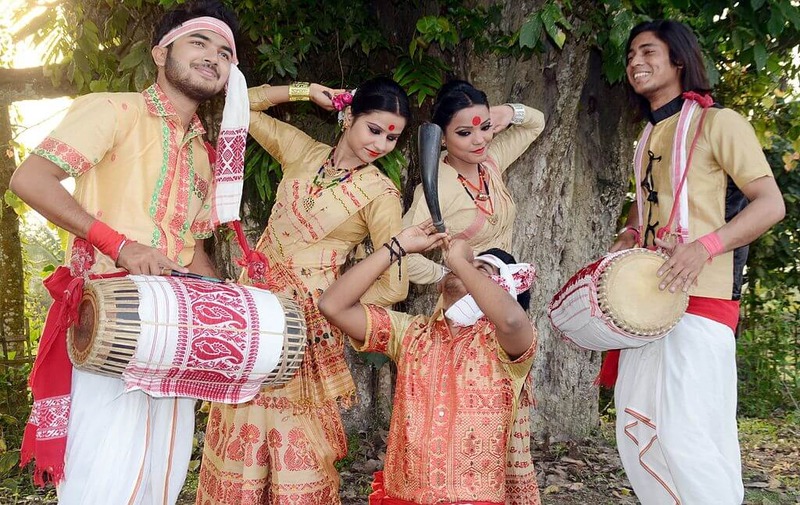
At first glance, the Gamosa may look simple: a white cotton cloth bordered with red threads. But in Assam, this modest piece of fabric carries the weight of centuries. It wipes sweat, dries tears, welcomes guests, blesses rituals, and today, speaks for an entire region on the world stage. The Assamese Gamosa is not just worn or gifted; it is felt, lived, and passed down like a memory stitched into cloth.From “Body-Wiper” to Cultural IconThe word Gamosa comes from two simple Assamese roots: “Ga,” meaning body and “Mosa” meaning wipe. Its earliest role was purely functional: a cloth for daily use by farmers, workers, and households. Yet, over time, the Gamosa absorbed meanings far beyond utility. What began as an everyday essential slowly transformed into a cultural marker, reflecting how Assamese society elevates simplicity into symbolism. Handwoven primarily from cotton, and sometimes from luxurious Pat silk for special occasions, the Gamosa embodies Assam’s intimate relationship with handloom traditions. Each thread carries the rhythm of looms that have echoed through villages for generations.The Many Lives of a GamosaOne of the Gamosa’s greatest strengths is its versatility. It can be a towel slung over a shoulder on a hot day, a head covering shielding someone from the sun, or a waistband for laborers in the fields. In homes, it becomes a handkerchief or a wrapping cloth for sacred objects. In moments of joy and respect, it transforms into a ceremonial offering. When elders are honoured, guests welcomed, or achievers felicitated, the Gamosa is placed gently around the neck, a gesture that silently says, “You are one of us.” Few objects in Indian culture balance everyday practicality and deep emotional value so seamlessly.Sacred Threads in Faith and FestivalsIn Assam’s religious spaces, especially Vaishnavite prayer halls known as sattras, the Gamosa plays a sacred role. It decorates altars, covers holy scriptures, and becomes part of devotional practices. During Bihu, Assam’s most celebrated festival, the Gamosa bursts into life, worn proudly by dancers, tied around musical instruments like the dhol, and exchanged as Bihuwan, symbolising love, respect, and renewal. Different types of Gamosas reflect different moments of life. The plain Uka Gamosa serves daily needs, while the richly patterned Phulam Gamosa appears at weddings, birthdays, festivals, and important ceremonies. Each variation tells its own story, yet all remain bound by the same cultural thread.Identity, Protection, and Global RecognitionIn 2020, the Assamese Gamosa received the Geographical Indication (GI) tag, a landmark recognition that legally protects its unique identity. This status ensures that only authorized producers within Assam can use the name “Assamese Gamosa,” safeguarding both tradition and livelihoods. More importantly, it acknowledges the Gamosa as an intellectual and cultural heritage of the region. In recent years, the Gamosa also known as Gamucha has moved beyond Assam to become a symbol of the entire Northeast. It now represents a region long underrepresented in mainstream narratives, finally finding its rightful place in India’s cultural consciousness.From Classrooms to Global DiplomacyThe journey of the Gamosa from village looms to international diplomacy is deeply symbolic. At this year’s Pariksha Pe Charcha, Prime Minister Narendra Modi added a personal cultural touch by gifting Assamese Gamosas to students. Greeting them in their native languages, he used the cloth as a bridge connecting education, identity, and the spirit of Ek Bharat Shreshtha Bharat. More strikingly, the Gamosa recently appeared at the heart of global diplomacy. During the announcement of a landmark free trade agreement between India and the European Union described as the “mother of all deals,” European Commission President Ursula von der Leyen stood alongside Prime Minister Modi draped in the traditional Assamese Gamosa. As the deal promised to reshape economic partnerships for nearly two billion people, the presence of the Gamosa added a powerful cultural layer to the moment. Even during recent public events, the Prime Minister himself has been spotted wearing the Assamese Gamosa, subtly reinforcing its status as a national symbol of respect and unity.When Culture Travels Ahead of CommerceThe sight of the Assamese Gamosa at international platforms sends a quiet but powerful message: India’s global rise is not only about markets and technology but also about culture and identity. The traditions of the Northeast are no longer confined to regional borders; they are stepping confidently onto the world stage. In the end, the Gamosa reminds us that sometimes, the strongest symbols are not the loudest. They are woven patiently, worn with pride, and passed on with love thread by thread, generation by generation.