
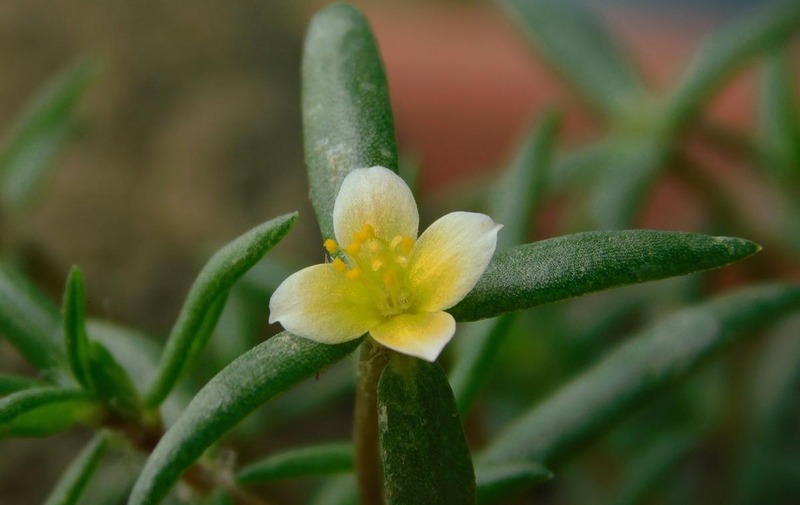
Nature's Biggest Surprise: Indian Scientists Record an Astonishing 1,062 Animal and Plant Discoveries
India has once again proven why it is regarded as one of the world's richest biodiversity hotspots. In 2025 alone, scientists documented an astonishing 709 new animal species and 353 new plant discoveries, adding a remarkable 1,062 new entries to the country's ever-growing catalogue of life.The findings, unveiled during the 111th Foundation Day celebrations of the Zoological Survey of India (ZSI) in Kolkata, showcase years of meticulous fieldwork carried out across forests, mountains, rivers and coastlines. The discoveries not only deepen scientific understanding but also strengthen conservation efforts at a time when biodiversity faces unprecedented challenges worldwide.India's Wildlife Records Reach a Historic MilestoneAccording to the report Animal Discoveries: New Species, New Records, India added 483 animals that are entirely new to science, while 226 species were recorded in the country for the first time. With these additions, India's documented animal diversity has reached an impressive 105,953 species and subspecies, representing nearly 5.3% of the world's recorded animal diversity.Launching the report, Union Environment, Forest and Climate Change Minister Bhupender Yadav said the discoveries reaffirm India's position as one of the world's leading biodiversity nations and highlighted the role of the Zoological Survey of India in protecting the country's natural heritage.ZSI Director Dhriti Banerjee described the discoveries as far more than scientific milestones, saying they contribute valuable knowledge for global biodiversity conservation and help address the ongoing ecological crisis.Kerala Leads the Animal DiscoveriesAmong Indian states, Kerala emerged as the biggest contributor, recording 98 new animal discoveries, followed by West Bengal (76), Karnataka (67) and Arunachal Pradesh (65).The discoveries ranged from tiny insects to fascinating vertebrates. Scientists identified a new Himalayan bat (Myotis himalaicus), two green fan-throated lizards—Ptyctolaemus mamdaphaensis and Ptyctolaemus siangensis—and Irwin's wolf snake (Lycodon irwini), adding exciting chapters to India's wildlife story.Insects dominated this year's findings, accounting for 417 of the 709 animal additions, nearly 59% of the total. Groups such as wasps and bees, butterflies and moths, flies, beetles and spiders contributed significantly, highlighting how much remains to be discovered among the country's smaller creatures.Arunachal Pradesh Tops the Plant DiscoveriesIndia's botanical richness also expanded significantly, with 353 new plant discoveries added to the national database. Of these, 221 plants were new to science, while 132 were recorded in India for the first time, extending the known distribution of several important plant groups.Arunachal Pradesh led the country with 49 plant discoveries, followed by Uttarakhand (39) and Kerala (37).The Botanical Survey of India documented flowering plants, ferns, mosses, fungi, algae, lichens and microbes. Particularly exciting were newly identified wild relatives of economically and ecologically valuable groups such as orchids, begonias, balsams and legumes, many of which could prove important for future conservation and crop improvement.Digital Tools Power the Future of ConservationAlongside the reports, the Zoological Survey of India launched Version 3.0 of the Fauna of India Checklist, a comprehensive digital database prepared with the help of 185 experts. The platform catalogues all 105,953 recorded animal species and subspecies and will be updated annually to support researchers, policymakers and conservation planners.Another major launch was the PaleoIndia Portal, developed jointly with the National Centre for Sustainable Coastal Management. The portal digitally maps fossil animal discoveries across all Indian states and Union Territories and provides information on more than 5,000 fossil specimens, making India's prehistoric heritage more accessible than ever before.A Reminder That Nature Still Has Secrets to RevealThese remarkable discoveries show that even in the 21st century, India's forests, mountains and rivers continue to surprise scientists. Every newly documented animal or plant enriches our understanding of life on Earth while strengthening efforts to conserve ecosystems for future generations.As researchers continue exploring the country's diverse landscapes, one thing is becoming increasingly clear—India's greatest natural treasures are still waiting to be found.