Building Futures: The Fruit Seller Who Gave His Village the Gift of Education
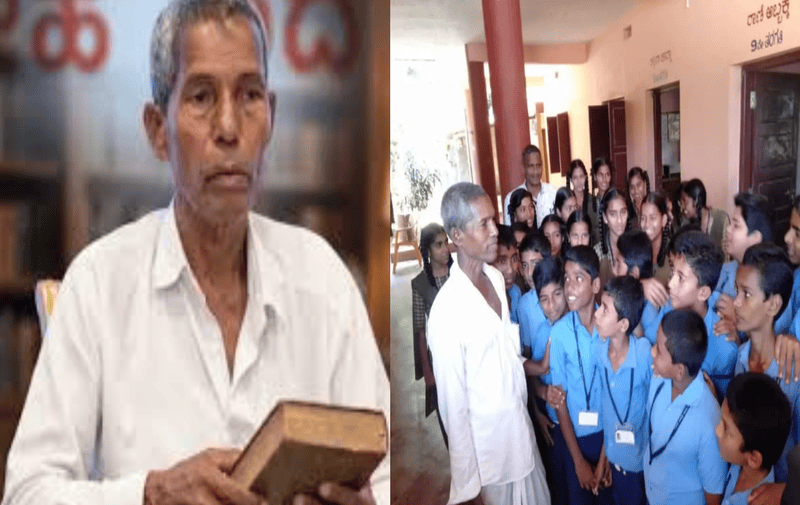
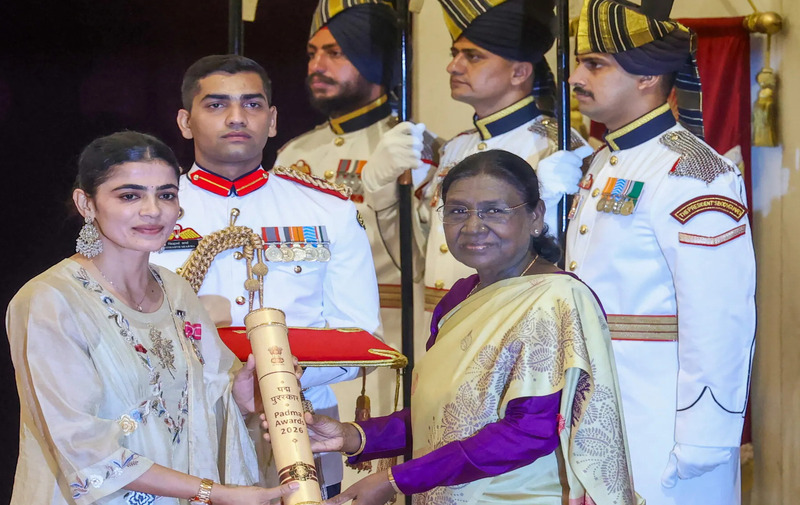
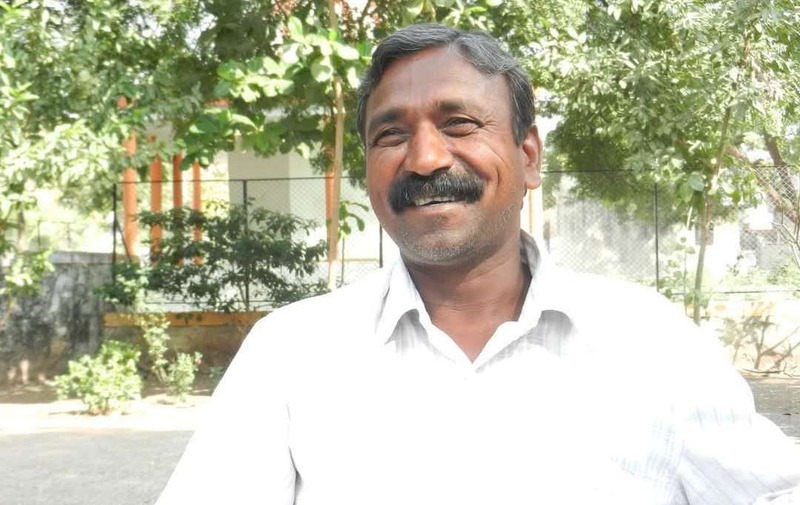
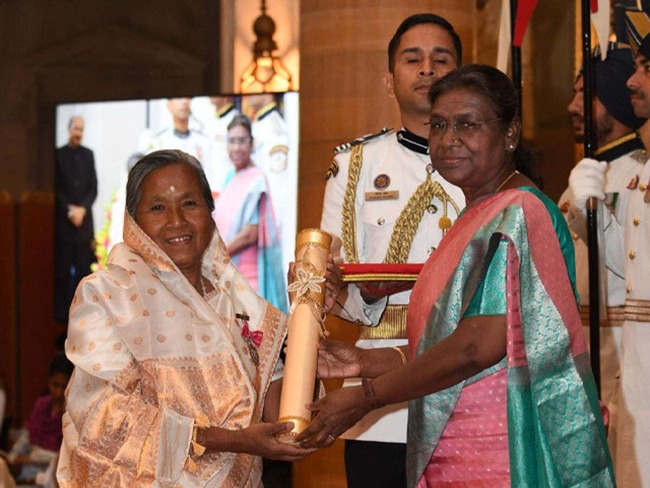
Sometimes, life changes not with a grand opportunity but with a single unanswered question.For Harekala Hajabba, an orange seller at a busy bus stand in Mangaluru, that moment arrived when a group of foreign tourists asked him the price of his oranges in English. Unable to understand or respond, Hajabba stood helpless. The incident left him deeply embarrassed, but instead of letting it become a lifelong regret, he transformed it into a mission that would change the future of an entire village.More than three decades later, the man who never had the chance to attend school himself would receive the Padma Shri, one of India's highest civilian honours, for building a school with his own hard-earned savings.Turning Pain into PurposeBorn into poverty in Karnataka's Dakshina Kannada district, Hajabba had never experienced the joy of sitting inside a classroom. He knew what it meant to grow up without education and the limitations it imposed. That encounter with the tourists became a turning point.Rather than dwelling on his own missed opportunities, he resolved that no child in his village should face the same fate. His dream was simple yet powerful—to ensure that future generations would have access to education, regardless of their family's circumstances. It was a promise made not to himself, but to children he had never even met.In 2000, Hajabba began investing his modest savings into building a school in Newpadapu village, located in the Harekala region. There were no wealthy sponsors or massive donations waiting for him. Every rupee represented hours of selling oranges under the sun. He borrowed money when necessary, purchased land and continued working tirelessly, believing that education was worth every sacrifice.Slowly, brick by brick, his dream became reality. Over the years, the government school he helped establish has educated more than 2,000 children, opening doors that had remained closed for generations.A Humble HeroEven after national recognition came his way, Hajabba never stopped living simply. When he was informed that he had been selected for the Padma Shri in 2020, reports said he was standing in a ration-shop queue like any ordinary citizen. The honour, formally conferred in 2021, celebrated not wealth or influence, but quiet determination and selfless service. Hajabba's work did not end with one school building. The institution continues to grow, introducing bilingual-medium classes and expanding its facilities to serve more children. Harekala Hajabba's story reminds us that true greatness isn't measured by what we earn, but by what we leave behind. A man who could not answer a question in English gave thousands of children the chance to answer every question life places before them. His oranges fed families. His dream nourished generations.And perhaps that is the sweetest fruit of all.






.jpeg)
.jpg)
.jpeg)
 (1).jpeg)





.jpg)