
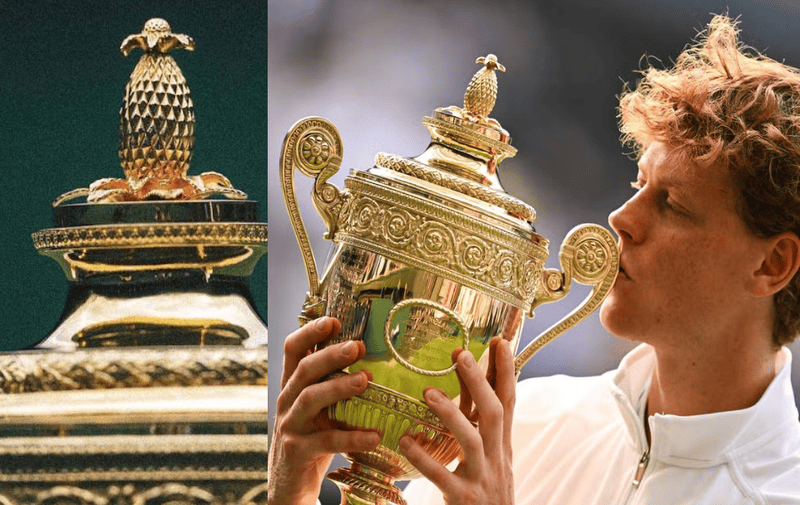
Why Is There a Pineapple on Top of the Wimbledon Trophy? The Answer Dates Back Centuries
Every year, the world's greatest tennis stars dream of lifting the prestigious Wimbledon Gentlemen's Singles Trophy. Fans celebrate the thrilling rallies, dramatic victories and emotional championship moments, but there's one curious detail that often steals attention.Sitting proudly atop the gleaming silver-gilt trophy is a golden pineapple. Why would one of the world's oldest and most prestigious sporting trophies be crowned with a tropical fruit? The answer lies in centuries of history, royal traditions and one of Britain's greatest symbols of status.When Pineapples Were Worth a FortuneToday, pineapples are found in supermarkets around the world. But in the 17th and 18th centuries, they were among the rarest and most expensive fruits in Europe. Imported from the Caribbean and other tropical regions, pineapples were incredibly difficult to transport and nearly impossible to grow in Britain's cold climate. Owning one was considered a remarkable display of wealth.In Victorian England, the fruit became a powerful symbol of luxury, prestige and prosperity. Wealthy aristocrats proudly displayed pineapples at grand banquets, not only as food but often simply as decorative centrepieces to impress guests.Serving a pineapple was considered the highest form of hospitality, a way of telling visitors they were truly honoured.A Symbol of Welcome and TraditionThe pineapple's story doesn't end with lavish dinner tables. Another popular historical belief, as reported in Mirror, links the fruit to Britain's seafaring heritage. According to tradition, successful naval captains returning safely from long voyages would place a pineapple outside their homes to announce their return and warmly welcome friends and neighbours.Over time, the fruit came to represent hospitality, friendship and celebration, Avalues that perfectly reflected the spirit of Wimbledon.Since its beginnings, the tournament has been known for elegance, sportsmanship and graciousness. The pineapple became a fitting symbol of the warm welcome extended to players and spectators from across the globe.A Victorian Design That Stood the Test of TimeAccording to a report in Trophies and Medals.com, the famous pineapple first appeared on the Wimbledon trophy in 1883, shortly after the All England Lawn Tennis and Croquet Club introduced the iconic silver-gilt cup for the Gentlemen's Singles Champion.Victorian designers often incorporated ornamental fruits into architecture, furniture and decorative arts. Choosing a pineapple for the trophy reflected the artistic style of the era while also linking Wimbledon to refinement and elite society. More than 140 years later, although the trophy has been recreated over time, the golden pineapple continues to crown it proudly.A Crown Reserved for Tennis RoyaltyThe pineapple carries another powerful meaning—it represents rarity. Just as owning a pineapple once symbolised extraordinary privilege, becoming a Wimbledon champion is one of the grandest achievements in sport. Only a select group of players have earned the honour of lifting the iconic trophy, joining legends whose names are forever etched into tennis history.Interestingly, champions don't get to keep the original trophy forever. After the Centre Court celebrations and the Champions' Dinner, the historic cup is returned to the All England Club, where it is carefully preserved in the Wimbledon Museum. Instead, winners receive a beautifully crafted three-quarter-size replica, engraved with the names of past champions, allowing them to treasure their historic achievement for life.The golden pineapple may appear to be a small decorative flourish, but it represents far more than elegant craftsmanship. It tells a story of Victorian Britain, global exploration, hospitality, prestige and excellence.For more than a century, it has watched generations of champions lift one of sport's most coveted trophies. While Wimbledon continues to evolve with each passing tournament, this tiny golden fruit remains an enduring reminder that some traditions are simply timeless.