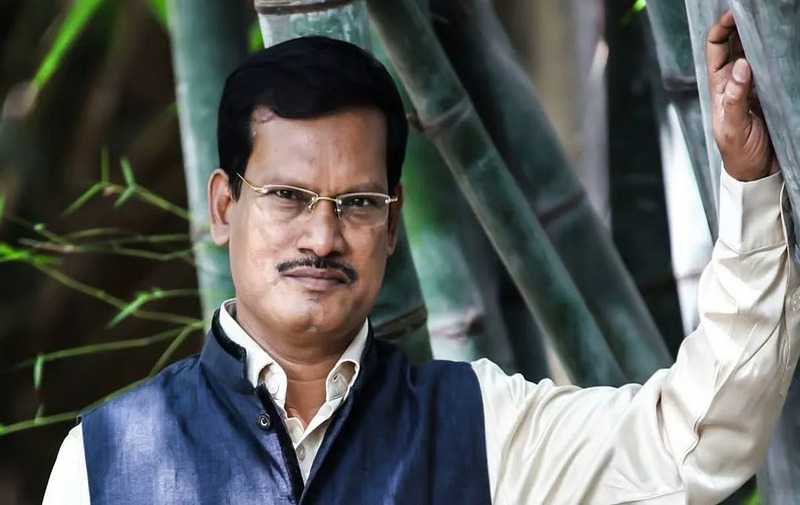
A Nomination That Carries Millions of Voices: India’s ‘PadMan’ Arunachalam Muruganantham Eyes Nobel Peace Prize
In a world where change often begins quietly, the journey of Arunachalam Muruganantham has echoed across continents. The man who revolutionised menstrual hygiene in rural India has now claimed a place among nominees for the 2026 Nobel Peace Prize—a moment that feels as powerful as the movement he sparked.Muruganantham revealed that his nomination came through a third-party recommendation—an essential rule of the Nobel process. “I couldn’t believe it at first… I’m really proud,” he said, reflecting on the recognition. This year, the Nobel Peace Prize has drawn 287 nominations, including 208 individuals and 79 organisations, placing him among a diverse group of global changemakers. The Man Who Challenged a Silent CrisisLong before global recognition, Muruganantham was a man on a mission—one driven not by fame, but by empathy. Disturbed by the lack of access to affordable sanitary products for women in rural India, he set out to create a solution that would change lives.His invention of low-cost sanitary pad-making machines didn’t just address a health issue—it ignited a social revolution. By making menstrual hygiene affordable and accessible, he helped dismantle deep-rooted taboos and opened conversations that had long been suppressed. What followed was extraordinary. Women’s self-help groups began producing sanitary pads, generating both hygiene, dignity and livelihood. A topic once whispered about became a nationwide discussion.From Real Life to the Big ScreenMuruganantham’s inspiring journey reached millions through the Bollywood film PadMan, starring Akshay Kumar. Directed by R. Balki, the film brought his story into mainstream consciousness and went on to win the National Award for Best Film on Social Issues. But beyond the cinematic spotlight lies a deeper truth—this was never just one man’s story. It was about millions of women reclaiming health, confidence, and agency.Understanding the Nobel JourneyThe road to the Nobel Peace Prize is far from simple. The process spans months of rigorous evaluation by the Norwegian Nobel Committee. Experts across the world assess each nominee’s contribution, impact, and long-term significance.From an initial pool of hundreds, the list is gradually narrowed down to a handful of candidates through detailed reviews and consultations.Muruganantham’s inclusion itself is a milestone—it signals global acknowledgment of menstrual health as not just a social issue but a matter of dignity, equality, and human rights.Beyond Recognition: A Movement That ContinuesFor Muruganantham, this nomination is not just personal—it represents a larger movement that continues to grow. His work has empowered countless women, created employment opportunities, and reshaped conversations around menstrual health in India and beyond.In many ways, the nomination validates a powerful idea: that innovation rooted in compassion can transform societies. It also reminds the world that peace is not always forged in political corridors—it can begin in the smallest villages, through the simplest yet most impactful ideas.As the world awaits the final decision, one thing is certain—whether or not the Nobel Prize follows, Muruganantham’s legacy is already firmly etched in the story of social change.