The World Salutes Their Sacrifice: UN to Posthumously Honour Two Indian Bravehearts
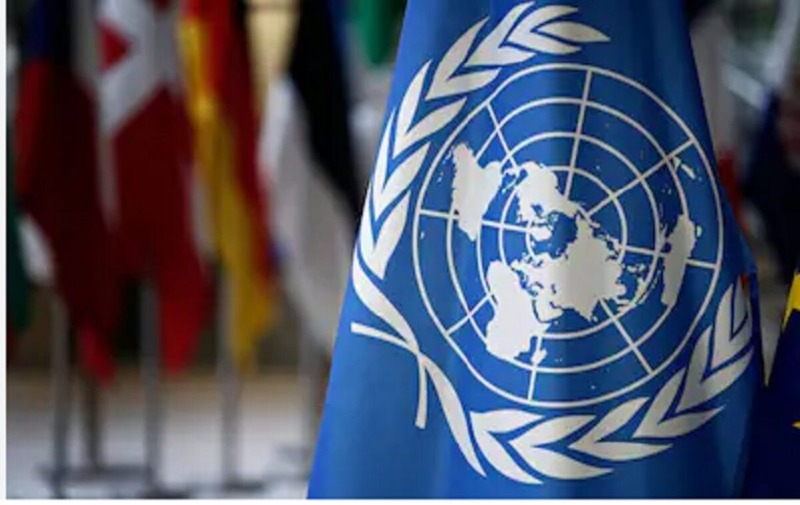
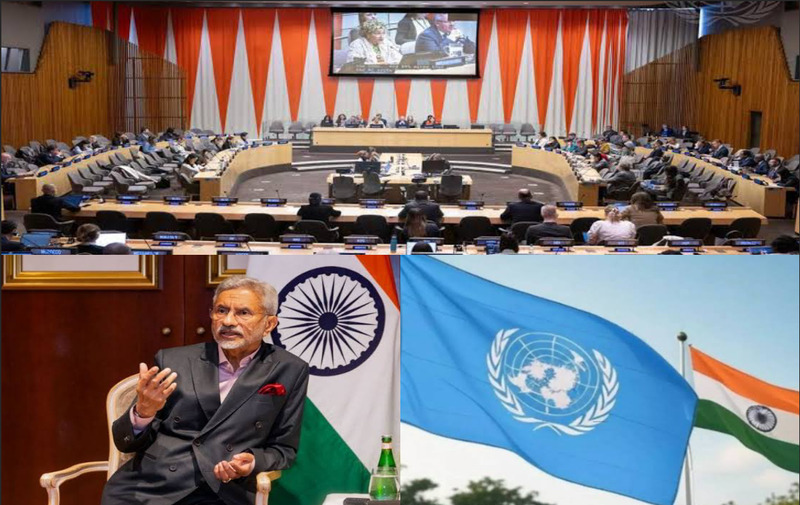
In a proud and emotional moment for India, the United Nations will posthumously honour two Indian peacekeepers who made the ultimate sacrifice while serving under the UN flag in conflict zones across the world.Lance Havildar Harbhajan Singh and Naib Subedar Sujit Kumar Pradhan will be awarded the prestigious Dag Hammarskjold Medal by UN Secretary-General António Guterres on the occasion of the International Day of United Nations Peacekeepers.The award is among the UN’s highest honours given to peacekeepers who lose their lives in the line of duty while protecting global peace and stability. Harbhajan Singh had served with the United Nations Organisation Stabilisation Mission in the Democratic Republic of the Congo (MONUSCO), while Sujit Kumar Pradhan was deployed with the United Nations Mission in South Sudan (UNMISS).Major Abhilasha Barak Earns Global RecognitionIndia’s presence at the UN ceremony will also be marked by another remarkable achievement. Major Abhilasha Barak, widely recognised as the first woman combat helicopter pilot of the Indian Army, will receive the 2025 Military Gender Advocate of the Year award for her outstanding contribution to women empowerment and gender sensitisation during her deployment with the United Nations Interim Force in Lebanon (UNIFIL).Currently serving as the commander of the Female Engagement Team (FET) in Lebanon, Major Barak has played a key role in building trust with local communities and promoting gender inclusion in peacekeeping operations.Her achievement further strengthens India’s growing reputation for leadership in inclusive and people-centric peacekeeping missions.Major Barak becomes the third Indian officer to receive the prestigious honour after Major Suman Gawani and Major Radhika Sen, both of whom were internationally recognised for their impactful work in UN missions.India’s Unmatched Legacy in PeacekeepingIndia’s contribution to UN peacekeeping has been historic and unmatched in many ways. Nearly 180 Indian peacekeepers have laid down their lives while serving under the UN flag, the highest number from any troop-contributing nation in the world.Today, India remains the second-largest contributor to UN peacekeeping forces, with over 4,200 military and police personnel currently deployed across missions in Abyei, Cyprus, the Democratic Republic of the Congo, Lebanon, Somalia, South Sudan and Western Sahara. Among them are 155 women peacekeepers. Indian peacekeepers are widely respected for their professionalism, humanitarian approach and commitment to protecting civilians in some of the world’s most volatile conflict zones.Honouring the Blue HelmetsThe International Day of United Nations Peacekeepers is observed every year on May 29 to honour the courage and sacrifice of the “Blue Helmets” serving across the globe. This year, the United Nations Headquarters in New York will hold commemorative events on June 5, where Secretary-General Guterres will lay a wreath in memory of the fallen peacekeepers.During the solemn ceremony, the Dag Hammarskjold Medal will be awarded posthumously to 68 military, police and civilian peacekeepers, including 59 personnel who lost their lives last year alone. Currently, more than 50,000 civilian, military and police peacekeepers serve under the UN flag in some of the world’s most complex and dangerous regions.For India, the ceremony carries deep emotional significance, honouring decades of sacrifice, courage and service to humanity.






.jpg)
.jpg)
.jpg)

.jpg)


.jpg)