
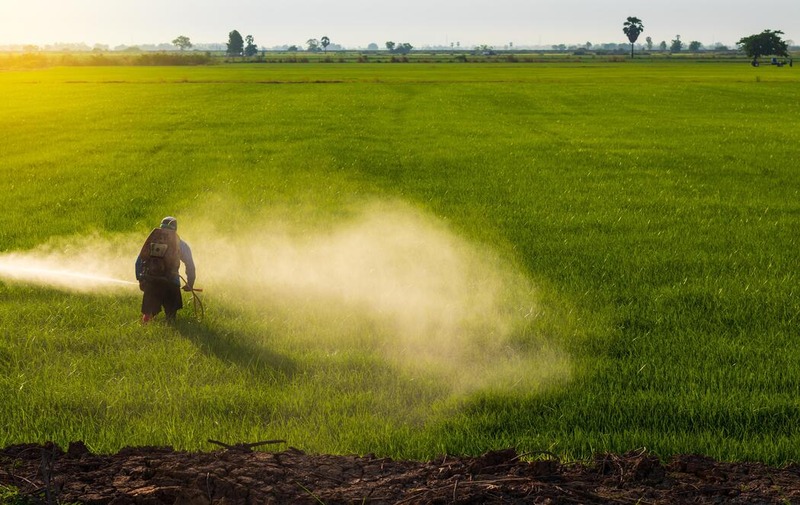
Ladakh Goes All Organic! Chemical Fertilisers Banned in a Landmark Farming Revolution
In a bold move that could redefine the future of agriculture in India, Ladakh has announced a complete ban on the procurement, sale, distribution, marketing and use of chemical and synthetic fertilisers. The landmark decision, which came into immediate effect on the directions of Lieutenant Governor Vinai Kumar Saxena, marks one of the most ambitious environmental initiatives undertaken by any region in the country.With this sweeping reform, Ladakh has set its sights on becoming India’s largest certified organic farming region. The Union Territory is committed to protecting its fragile Himalayan ecosystem while promoting sustainable livelihoods for farmers.The administration has made it clear that the transition will be taken seriously. To ensure complete compliance, anyone found violating the ban will face a minimum penalty of ₹10,000.Ladakh’s breathtaking landscapes, pristine rivers and unique biodiversity have long remained relatively untouched by intensive chemical farming. The administration now wants to preserve this natural advantage for generations to come.According to the official notification, the ban is designed to safeguard ongoing organic certification efforts, protect precious soil and water resources, encourage sustainable agricultural practices and strengthen natural farming systems. Farmers across the Union Territory have been directed to rely solely on organic inputs—both on-farm and off-farm—for cultivation.A Vision Aligned with India's Green GoalsLadakh's decision also reflects the growing national emphasis on sustainable agriculture. During the recent NITI Aayog Governing Council meeting, Prime Minister Narendra Modi encouraged states and Union Territories to expand organic farming and reduce dependence on chemical inputs.By embracing this vision, Ladakh has positioned itself at the forefront of India's natural farming movement. The initiative supports broader goals of improving soil health, conserving water, combating climate change and creating environmentally responsible farming practices.For a region where agriculture is deeply connected with nature and traditional wisdom, the move represents a return to farming methods that have sustained communities for centuries.Boosting Farmers and Premium Organic MarketsBeyond environmental benefits, the organic transition is expected to create significant economic opportunities for Ladakh's farmers.Lieutenant Governor Vinai Kumar Saxena described the ban as a transformative step that will preserve Ladakh's natural heritage while increasing the market value of its agricultural produce. As global demand for certified organic products continues to rise, Ladakh's fruits, vegetables and other farm produce could command premium prices, opening new income streams for local farming communities.The administration also believes that the region's clean environment and high-altitude farming conditions will help establish Ladakh as a global model for sustainable mountain agriculture.The Organic Journey Is Already UnderwayLadakh is not starting from scratch. The Union Territory has already brought 207 revenue villages under its organic certification programme, creating a strong foundation for this historic transition.To ensure the success of the initiative, the Agriculture Department has been appointed as the nodal agency, while the Departments of Horticulture, Cooperatives, and Rural Development & Panchayati Raj will conduct awareness campaigns, train farmers and improve access to organic farming inputs.As the Union Territory moves steadily towards becoming India's largest certified organic farming region, it offers an inspiring example of how protecting nature today can create a healthier, greener and more sustainable tomorrow.