
Why Japan Is Restarting the World’s Largest Nuclear Power Plant Now
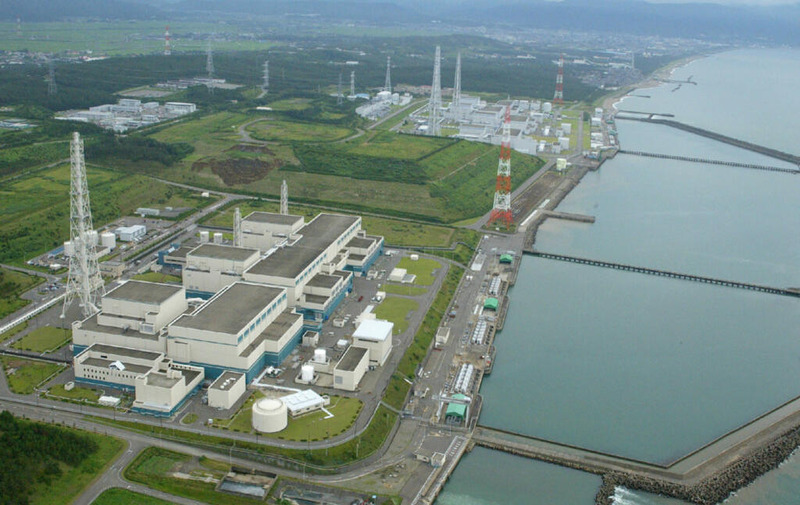
In 2011, Japan did something few industrial nations had ever done. In the aftermath of the Fukushima Daiichi nuclear disaster, it shut down all 54 of its nuclear reactors. The decision was not just technical or political it was emotional. Entire towns were evacuated, families were separated from ancestral homes, and a deep mistrust settled over anything connected to nuclear power. For years, the silence of idle reactors stood as a reminder of fear, loss, and unanswered questions about safety and accountability.The Restart That Signals a Turning PointOn Wednesday, Japan restarted operations at the Kashiwazaki-Kariwa nuclear power plant, the largest in the world by capacity. Reactor No. 6 was brought back online nearly 15 years after the plant was shut down, marking a significant moment in the country’s energy journey. Located on Japan’s northwest coast, far from Tokyo’s dense core, the plant once symbolised Japan’s nuclear ambition. Now, its restart represents something different: a cautious, tightly regulated attempt to balance energy needs with hard-earned lessons from the past.Fukushima’s Long ShadowThe Fukushima disaster was triggered by a massive earthquake and tsunami that overwhelmed safety systems, causing reactor meltdowns and radioactive leakage. It was one of the worst nuclear accidents in history. The psychological impact was immense. Trust in authorities collapsed, and nuclear energy—once a pillar of Japan’s electricity supply—became a national trauma. Lawsuits followed. Thousands of residents sued Tokyo Electric Power Company (Tepco) and the government, citing health risks, emotional distress, and the loss of homes and livelihoods. Even today, the disaster remains a lived memory rather than a closed chapter.A Plant Rebuilt for a Different EraThe Kashiwazaki-Kariwa plant that has been restarted today is not the same facility that shut down in 2011. Nuclear safety standards in Japan have been significantly strengthened. At the plant, 15-metre-high seawalls now stand as a physical barrier against large tsunamis. Watertight doors protect critical equipment, and emergency protocols have been redesigned to function even in extreme conditions. Every layer of protection reflects one message: Fukushima must never happen again. These upgrades are not just engineering decisions—they are attempts to rebuild public confidence.Why Japan Is Turning Back to Nuclear PowerBefore 2011, nuclear energy supplied nearly 30 percent of Japan’s electricity, with plans to raise that figure to 50 percent by 2030. By 2023, that share had dropped to just 8.5 per cent. The gap was filled by fossil fuel imports, making Japan more dependent on foreign energy and increasing carbon emissions. Now, the government wants nuclear power to provide around 20 per cent of electricity by 2040, as part of its plan to achieve net zero emissions by 2050. Prime Minister Sanae Takaichi has been vocal about nuclear energy’s role in ensuring energy self-sufficiency. For policymakers, nuclear power offers something renewables struggle to provide in Japan’s mountainous terrain: stable, large-scale, round-the-clock electricity without carbon emissions.The Global Nuclear ComebackJapan’s decision reflects a wider global shift. The International Atomic Energy Agency estimates that global nuclear power capacity could more than double by 2050. Energy companies worldwide argue that nuclear power is more reliable than solar or wind and essential for meeting climate goals. Japan, once seen as a warning story, is now cautiously re-entering this global conversation—though under far stricter conditions than before. Despite the restart, Japan is moving carefully. Of the seven reactors at Kashiwazaki-Kariwa, only one has resumed operations. The seventh reactor is unlikely to restart before 2030, and the remaining five may be decommissioned altogether. This means the plant will operate at far below its original capacity of 8.2 gigawatts. Nationwide, Japan has restarted 15 of its 33 operable reactors since 2015, showing gradual progress rather than a full-scale revival.Between Fear and NecessityThe restart of the Kashiwazaki-Kariwa plant is not a declaration of victory for nuclear power. It is a compromise between fear and necessity, memory and ambition. Japan is trying to power its future without forgetting its past. The towering seawalls, stricter regulations, and delayed timelines all tell the same story: this is not about returning to what was, but about cautiously moving forward. Whether this balance holds will shape not just Japan’s energy policy, but also its trust in technology, governance, and itself.