ISRO’s EOS-05 Mission Makes History: India Launches Its Heaviest-Ever Satellite Into GTO Orbit
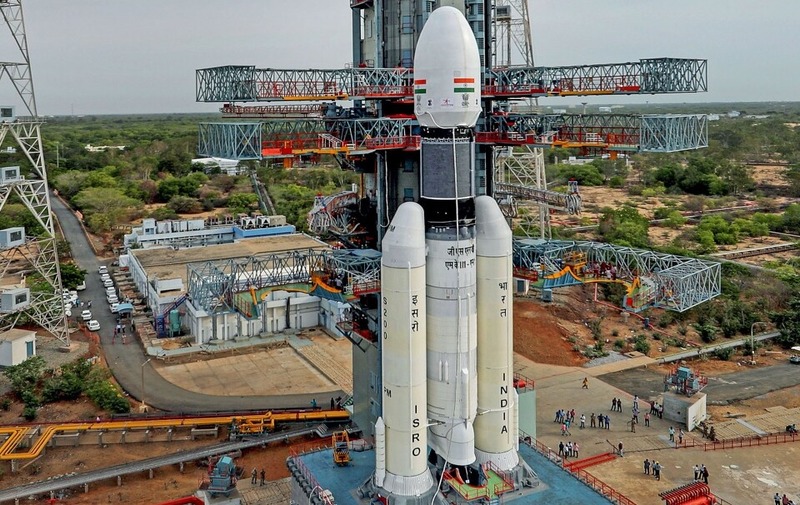
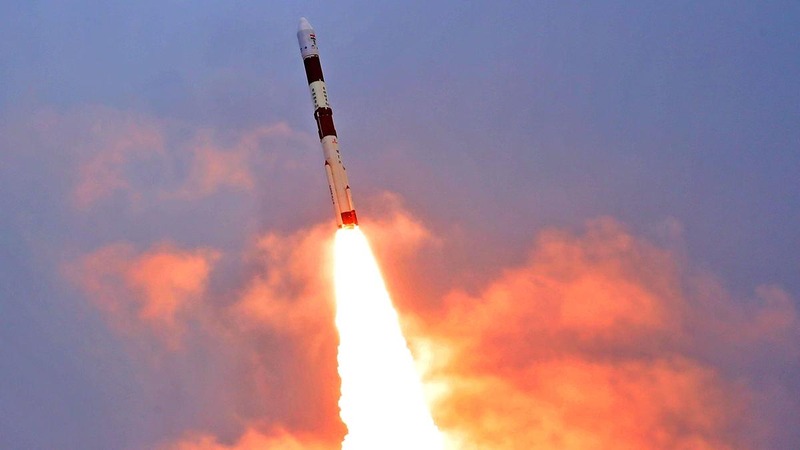
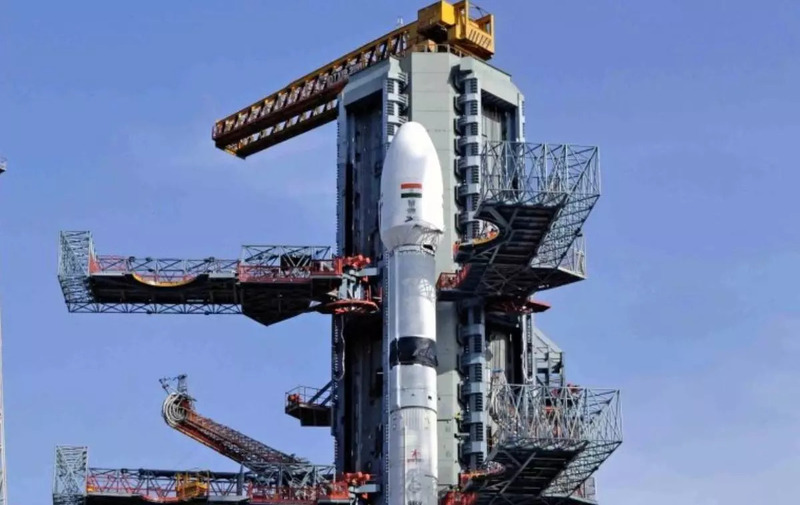
India’s space programme has delivered another moment of pride. In the early hours of Friday, the Indian Space Research Organisation (ISRO) successfully launched the advanced EOS-05 Earth observation satellite aboard the GSLV-F17 rocket from the Satish Dhawan Space Centre in Sriharikota, Andhra Pradesh.The rocket thundered into the sky at 2:55 am IST, carrying a satellite that could transform how India observes its own land, environment and changing landscapes. Soon after liftoff, EOS-05 was precisely injected into its intended sub-geosynchronous transfer orbit, marking a successful return to action for ISRO after a relatively quiet year.“I am very happy to announce that the GSLV-F17 vehicle has successfully and precisely injected” EOS-05 into its required orbit, ISRO Chairman Dr V Narayanan announced after the mission.India’s Eye From 36,000 Km AboveWhat makes EOS-05 particularly special is where it will watch from.The satellite is designed to provide India with a continuous bird’s-eye view from nearly 36,000 kilometres above Earth. More significantly, it is being described as India’s first imaging satellite operating from geosynchronous orbit.Its advanced imaging capabilities span visible, infrared, multispectral and hyperspectral bands. This means the satellite can capture far more than conventional photographs, offering detailed information that can support a wide range of Earth-observation needs.The mission director highlighted another milestone: EOS-05 is the heaviest satellite ever launched by a GSLV into a GTO or sub-GTO orbit.The GSLV-F17 itself is no small machine. Standing 51.7 metres tall and weighing around 420.5 tonnes at liftoff, the rocket ranks among India’s largest operational launch vehicles. But behind Friday’s few dramatic minutes was years of painstaking work. As Mission Director Thomas Kurian noted, a launch may last only minutes, but those minutes represent months and years of preparation, testing and determination.Eyes Now Turn to GaganyaanAnd ISRO is not stopping here. Following the successful EOS-05 mission, Dr Narayanan said that work on the first uncrewed Gaganyaan mission is progressing “vigorously and systematically”, with a launch targeted within the calendar year. ISRO is also aiming for six more launches during the financial year, including the navigation satellite NVS-03.With EOS-05 now looking down from space, India’s space story is clearly entering another exciting chapter.