"Dream, Dream, Dream! Conduct these dreams into thoughts, and then transform them into action."
- Dr. A. P. J. Abdul Kalam
"Dream, Dream, Dream! Conduct these dreams into thoughts, and then transform them into action."
- Dr. A. P. J. Abdul Kalam
31 Mar 2026
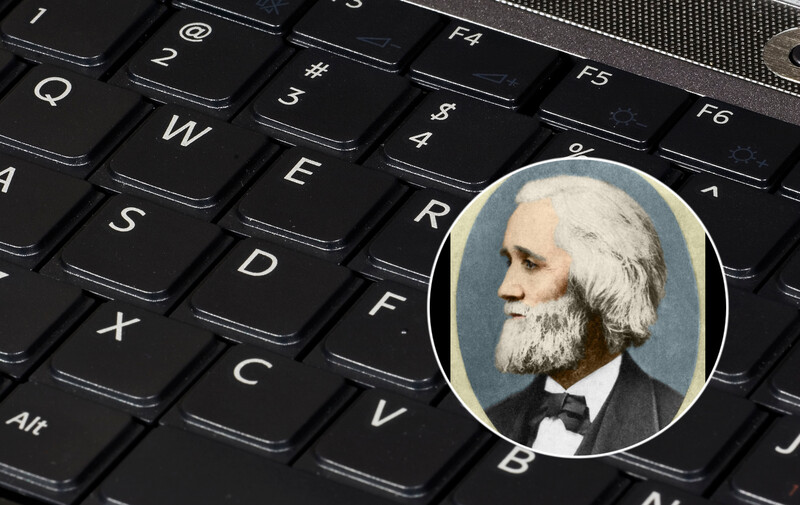
Take a look at your keyboard. QWERTY is everywhere. Phones, laptops, offices, homes. But here’s the surprising part: it wasn’t designed for speed. In fact, it was designed to slow people down. Back in the 1870s, when Christopher Latham Sholes developed the first practical typewriter, fast typing caused mechanical jams. Keys would collide and stick if pressed too quickly in sequence. So instead of grouping letters efficiently, he deliberately spread out commonly used letter combinations. The goal wasn’t comfort or speed; it was functionality. QWERTY, in its earliest form, was less about helping the user and more about protecting the machine.
So Why Didn’t We Switch?
Because better ones did come. In the 1930s, August Dvorak introduced the Dvorak keyboard, designed specifically for efficiency. It placed the most commonly used letters under the strongest fingers and reduced finger movement significantly. Studies showed it could improve typing speed and reduce fatigue. Yet, it never replaced QWERTY. Why? Because by then, QWERTY was already everywhere. Typewriters, typing schools, office systems were all built around it. Switching would have meant retraining millions of people, replacing infrastructure, and taking a productivity hit in the short term. Even if something is better, the cost of change can be higher than the benefit. And so, QWERTY stayed.
The Power of Habit (and a Bit of Economics)
This is where things get interesting. Economists call it “path dependence"; once a system becomes dominant, it’s incredibly hard to replace, even if it’s not ideal. People learn QWERTY early, businesses train employees on it, and software and hardware are designed around it. The more people use it, the more valuable it becomes to stick with it. It’s not just habit; it’s a network effect. If everyone else uses QWERTY, you’re better off using it too. Changing individually doesn’t help much unless everyone changes together. So we stay with what we know, not necessarily because it’s best, but because it’s shared.
Why QWERTY Still Works
Here’s the thing, QWERTY may not be the most efficient, but it’s good enough. Over time, people have adapted to it so well that the gap between QWERTY and “better” layouts matters less in everyday use. Muscle memory takes over, and speed comes with practice, not just design. Plus, in today’s world of touchscreens, voice typing, and predictive text, keyboard efficiency isn’t as critical as it once was. QWERTY survives not because it’s perfect, but because it’s familiar, widespread, and deeply embedded in how we work. Sometimes, what lasts isn’t what’s best; it’s what everyone agrees, consciously or not, to keep using.

Writing about what truly matters, good news and stories to remind the world - it is brighter than we think.