"Dream, Dream, Dream! Conduct these dreams into thoughts, and then transform them into action."
- Dr. A. P. J. Abdul Kalam
"Dream, Dream, Dream! Conduct these dreams into thoughts, and then transform them into action."
- Dr. A. P. J. Abdul Kalam
27 Feb 2026
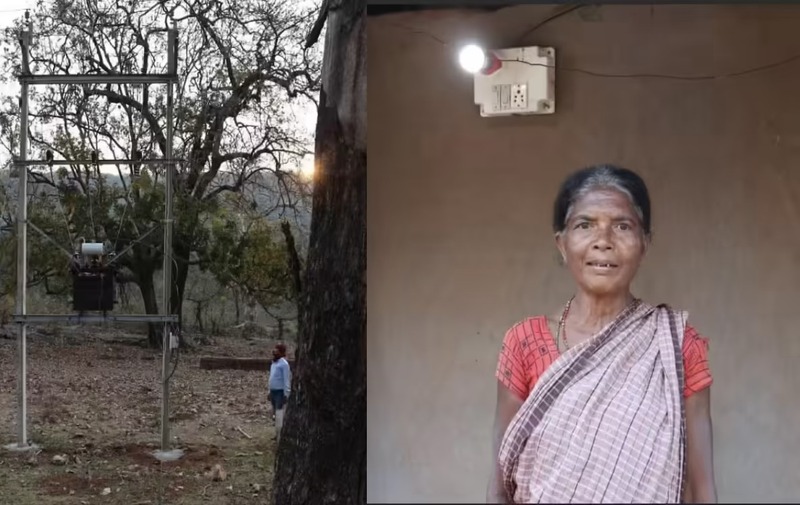
For the first time since India’s Independence in 1947, electric light has illuminated homes in Gogunda village, a remote settlement perched nearly 650 metres atop a steep hill in Chhattisgarh’s Sukma district. For generations, families here relied solely on kerosene lamps, their nights wrapped in darkness and uncertainty. Today, a simple electric bulb glowing in a mud house represents far more than infrastructure—it symbolizes dignity, connection, and the arrival of the State in a region long isolated by conflict. Gogunda had remained under Naxal influence for decades, effectively cut off from government presence and developmental activities. Basic amenities such as roads, electricity, healthcare, and schools were absent. The village’s transformation now signals not just electrification but the beginning of comprehensive social and infrastructural renewal.
The turning point came with the deployment of the Central Reserve Police Force (CRPF)’s 74th Battalion, which established a Forward Operating Base in the area. This permanent security presence fundamentally altered Gogunda’s trajectory. For years, fear and insurgent control prevented administrative access and halted any attempt at progress. With security forces stationed nearby, government officials could finally reach the village safely. The consistent presence of CRPF personnel reassured villagers that development efforts would not be temporary or abandoned midway. Local police and district authorities coordinated closely to ensure safe passage for engineers, construction workers, and administrative staff. This strategic security intervention created the stability necessary for development to begin. It demonstrated a critical lesson in conflict zones: without security, development struggles to take root; with security, transformation becomes possible.
Once security was ensured, infrastructure followed swiftly. Road construction through the rugged hilly terrain marked the first-ever motorable access to Gogunda. What was once a treacherous footpath became a symbol of connection to the outside world. Extending electricity to the elevated and remote village was no small feat. Engineers overcame technical and logistical challenges to bring power lines across difficult terrain. Today, homes that once flickered under kerosene lamps glow steadily after sunset. Electricity has immediate and visible effects. Children can now study at night without straining their eyes. Women can complete household tasks safely. Mobile phones can be charged, linking villagers to information and communication networks. For many residents, switching on a light bulb for the first time was an emotional moment—one that felt almost surreal after decades of darkness.
Development in Gogunda is not limited to electricity and roads. The district administration has initiated construction of governance complexes that will house primary schools, Anganwadi centres, Public Distribution System shops, and community halls. For decades, villagers had to travel long distances, often through unsafe routes, for basic services. Soon, children will attend school within their village, mothers will access early childhood care and nutrition support locally, and families will collect essential food supplies without hardship. A small market is also being developed to meet everyday needs, responding directly to villagers’ demands. This integrated approach ensures that multiple aspects of life improve simultaneously. Rather than piecemeal interventions, Gogunda is witnessing coordinated development that touches education, nutrition, governance, and social life together.
Perhaps the most powerful aspect of Gogunda’s transformation lies in the emotions of its residents. Elderly villagers speak of living their entire lives in darkness, never expecting to witness such change. The arrival of electricity, water supply, and road connectivity feels almost miraculous. For many, development is not just about infrastructure; it is about restored dignity and belonging. Younger villagers now speak of dreams of education, employment, and integration into mainstream society. Where once fear dictated daily life, hope has begun to replace uncertainty.
The electric bulbs glowing in Gogunda today represent more than power supply; they represent inclusion in the nation’s progress after 77 years. For villagers who grew up in the shadow of insurgency and isolation, the light signals a new chapter. Gogunda’s story is not merely about infrastructure; it is about hope restored, dignity reclaimed, and a promise finally fulfilled. After decades of darkness, a new dawn has begun—one powered not just by electricity, but by opportunity and belief in a better future.

Writing about what truly matters, good news and stories to remind the world - it is brighter than we think.