"Dream, Dream, Dream! Conduct these dreams into thoughts, and then transform them into action."
- Dr. A. P. J. Abdul Kalam
"Dream, Dream, Dream! Conduct these dreams into thoughts, and then transform them into action."
- Dr. A. P. J. Abdul Kalam
18 Feb 2026
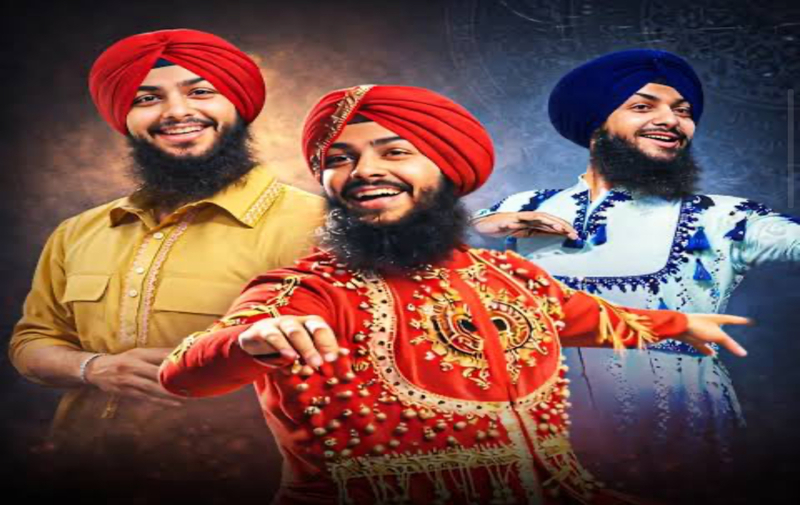
The stage lights glow, the tabla begins its rhythmic conversation, and a young artist steps forward with ghungroos tied firmly around his ankles. But what makes this moment extraordinary is not just the elegance of his posture or the precision of his stance; it is the turban on his head and the unshorn beard he proudly carries. In that instant, Taranjot Singh is not merely performing Kathak; he is redefining what tradition looks like. At just 20 years old, the Ludhiana-born dancer has created history by becoming India’s first Sikh Kathak artist to perform while keeping his turban and beard intact. In a world often divided by rigid ideas of identity and art, Taranjot’s journey stands as a powerful reminder that authenticity can be revolutionary.
Every meaningful journey begins with a spark. For Taranjot, that spark ignited when he was 13 years old. Watching his teacher, Pulkit Jain, perform Kathak at a local dance academy in Ludhiana left him mesmerized. The intricate footwork, the storytelling through expressions, and the graceful spins awakened something within him. Kathak, one of India’s eight major classical dance forms, is rooted in storytelling traditions of ancient temples and later evolved in royal courts.
It demands discipline, stamina, rhythm, and emotional expression. For a young boy in Punjab to choose this path was not common, but Taranjot was captivated beyond hesitation. What followed were years of dedicated training. Early mornings, sore muscles, countless rehearsals, and relentless practice became part of his routine. While many teenagers experimented with hobbies, Taranjot committed himself to mastering an art form that requires both physical endurance and emotional depth.
In many communities, classical dance, particularly Kathak, is still perceived as a female-dominated field. Boys pursuing it often face teasing or discouragement. Taranjot was no exception. Questions were raised. Doubts were whispered. Some wondered whether ghungroos could harmonize with Sikh religious identity. Yet, for Taranjot, there was never a contradiction. Sikhism teaches courage, equality, discipline, and self-respect—values that align beautifully with the dedication required in classical dance. Wearing his turban while performing was not an act of defiance; it was an expression of wholeness. He refused to separate his art from his identity. The mockery he faced could have discouraged him. Instead, it strengthened his resolve. He chose not to argue with stereotypes but to outshine them on stage.
In 2024, Taranjot’s perseverance brought him to a national audience when he participated in the reality show Dance Deewane. Competing before millions of viewers was both an opportunity and a test. Each performance demanded not just technical excellence but emotional storytelling. Week after week, he impressed audiences with his clarity of footwork, controlled spins, and expressive abhinaya. More than technique, it was his authenticity that resonated deeply. Viewers saw not just a dancer, but a young man proudly carrying his faith onto the stage without compromise. Reaching the grand finale marked a turning point in his journey. Esteemed personalities praised his originality, confidence, and courage. Their recognition symbolized something greater—the acceptance of a new narrative in Indian classical dance.
Behind every story of resilience is a foundation of support. For Taranjot, that foundation was his family. When societal doubts surfaced, encouragement flowed from home. Their belief allowed him to pursue his passion fearlessly. In many households, unconventional dreams can create tension. But Taranjot’s family recognized his dedication and trusted his vision. Their support became his shield against criticism and his motivation during challenging days.
Currently a student at SCD Government College in Ludhiana, Taranjot continues to balance his academic responsibilities with his artistic ambitions. College life, assignments, rehearsals, and performances form a demanding schedule, yet he manages both with discipline. His aspirations extend beyond national fame. He dreams of taking Indian classical dance to global platforms while representing Punjab and his Sikh identity with pride. In an increasingly interconnected world, artists like Taranjot become cultural ambassadors, showcasing India’s diversity through performance. When he steps onto the stage, he carries not just ghungroos but a larger purpose: to inspire others to pursue their passions unapologetically. His story reminds us that art transcends boundaries and that courage often begins with simply being oneself. As the rhythm builds and his feet strike the floor in perfect timing, one truth becomes clear: when faith finds its footwork, it creates history.
Romanticizing life and shaping stories from everything I see through my journalistic lens. Also, I love sports on the side.