"Dream, Dream, Dream! Conduct these dreams into thoughts, and then transform them into action."
- Dr. A. P. J. Abdul Kalam
"Dream, Dream, Dream! Conduct these dreams into thoughts, and then transform them into action."
- Dr. A. P. J. Abdul Kalam
9 Apr 2026
In a city known for its vibrant student life and bustling food culture, an unexpected crisis has quietly reshaped everyday living. Pune, home to thousands of students chasing dreams, is witnessing a powerful story of resilience and compassion unfold—not in classrooms or hostels, but in the kitchens of its gurudwaras. As the effects of a West Asia conflict triggered a shortage of LPG cylinders, the impact reached far beyond fuel stations. Mess services slowed down, tiffin prices soared, and canteens shut their doors. For many students living away from home, food—something once taken for granted—became a daily challenge. But in the midst of this uncertainty, a timeless Sikh tradition stepped forward to bridge the gap: the langar.
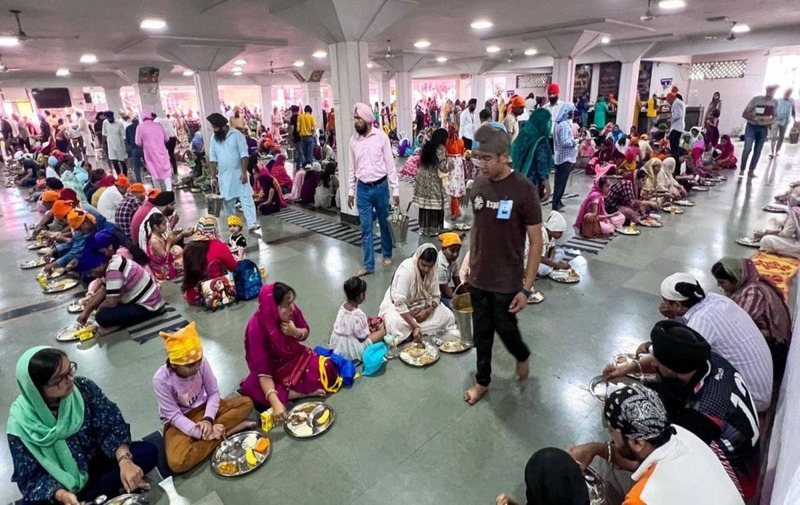
At the heart of this response is Gurudwara Guru Nanak Darbar, where the spirit of service has once again come alive. Known for its unwavering commitment to feeding all, the gurudwara has extended its langar services to students affected by the crisis. Every afternoon and night, plates are filled, not just with food, but with care. There are no questions about who you are or where you come from. You simply walk in, sit down, and eat alongside others—equal in hunger and dignity. This is not a new role for the gurudwara. During the pandemic, it stood as a lifeline for countless people across the city. Today, history repeats itself, reminding us that true service never fades—it only waits for the moment it is needed again.
To truly understand the impact, one must look beyond numbers and into lives. Students from Savitribai Phule Pune University and nearby institutions are among the most affected. Many come from modest backgrounds, managing tight budgets while balancing studies and survival. For someone like Sarang Kale, the rising cost of food has turned a simple meal into a financial burden. What used to be manageable is now a daily calculation. The langar, for him, is not just food—it is relief from constant worry. Akash Kambale shares a similar experience. Often visiting gurudwaras in Khadki, he sees the langar as a support system during uncertain times. It offers not just nourishment but also a sense of belonging in a city that can sometimes feel overwhelming. Even students from institutes like the Film and Television Institute of India are feeling the strain. Vishal Nikam, like many others, travels distances just to access a free meal.
The LPG crisis has created a domino effect. With gas cylinders in short supply, restaurants and mess operators have been forced to either shut down or increase prices. Tiffin services that once charged ₹50 now demand ₹70 or more. For students already managing rent, fees, and daily expenses, this hike is significant. University messes have reduced their menus, offering fewer options and smaller portions. What was once a routine part of student life has now become unpredictable. In such a scenario, the gurudwara langar stands out not just as an alternative but as a dependable source of food. Leaders like Colonel Siddhu Singh and Maninder Singh Bindra continue to ensure that the langar runs without interruption. Menus have been simplified, resources are being stretched, and efforts are being doubled. On Sundays, the number of people served can reach up to 500, while weekdays see a steady flow of over 100 visitors.
In the end, what makes this story truly powerful is not just the food being served but the values it represents. The langar is built on the principle of equality, where everyone sits together, eats together, and leaves with a sense of dignity. For students far from home, these meals offer more than nourishment. They provide comfort, stability, and a reminder that they are not alone. In a time defined by scarcity, Pune’s gurudwaras are choosing abundance not of resources but of kindness. And in doing so, they are teaching a lesson far greater than any classroom ever could. Because sometimes, the simplest acts—like sharing a meal—carry the deepest impact.
Romanticizing life and shaping stories from everything I see through my journalistic lens. Also, I love sports on the side.