"Dream, Dream, Dream! Conduct these dreams into thoughts, and then transform them into action."
- Dr. A. P. J. Abdul Kalam
"Dream, Dream, Dream! Conduct these dreams into thoughts, and then transform them into action."
- Dr. A. P. J. Abdul Kalam
30 Mar 2026
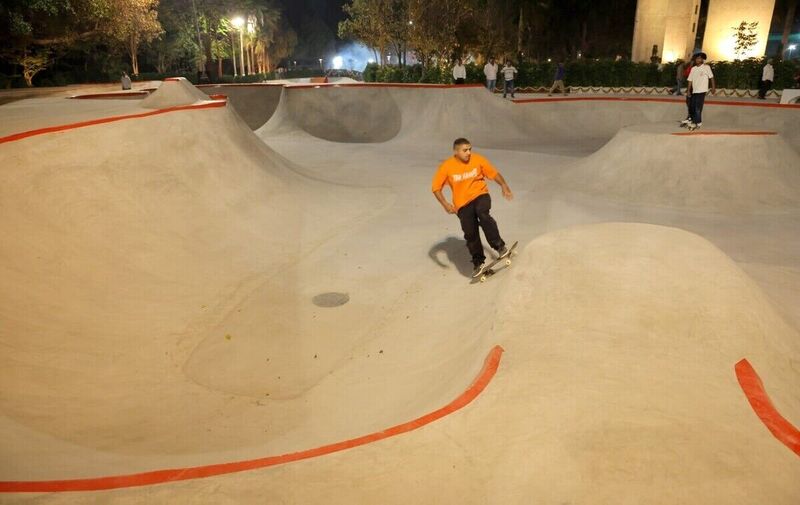
Lucknow has taken a bold step toward modern sports culture with the launch of India’s largest skate park at Lohia Park. Spread across nearly 4,500 square metres, this state-of-the-art facility marks a major milestone not just for the city but for the entire state of Uttar Pradesh. Built at an estimated cost of ₹7 crore by the Lucknow Development Authority, the park represents a shift in how urban spaces are being reimagined to promote fitness, recreation, and youth engagement.
What makes this development even more remarkable is the transformation it represents. The skate park has been constructed near Gate No. 3 of Lohia Park by replacing an old, unused water body that had become a source of problems like waterlogging and mosquito breeding. What was once an underutilized and neglected area has now been converted into a vibrant sports hub. This transformation highlights the importance of smart urban planning. By repurposing unused spaces into functional and engaging areas, cities can address environmental issues while simultaneously improving public infrastructure.
The skate park is specifically designed to cater to the growing popularity of urban sports such as skateboarding, BMX cycling, and roller skating. These sports, once considered niche, are now gaining traction among young people across India. With smooth surfaces, ramps, and modern design elements, the facility provides a safe and professional environment for both beginners and experienced skaters. Importantly, the skating rink is free for the public, making it accessible to a wide range of users. To further support learning and skill development, two professional coaches have also been appointed, ensuring that enthusiasts can train under proper guidance.
The development at Lohia Park goes beyond just skating. The complex also includes a sports arena equipped with facilities for lawn tennis, badminton, and pickleball. While these additional facilities come with a nominal fee set by the Lucknow Development Authority, they expand the park’s appeal to a broader audience. This multi-sport approach ensures that the park caters to people of different age groups and interests, turning it into a comprehensive recreational destination. It reflects a growing trend in Indian cities to create inclusive sports spaces that promote active lifestyles.
One of the most significant impacts of this project is its potential to engage young people in constructive and healthy activities. In an era where digital screens dominate daily life, spaces like this encourage physical movement, outdoor interaction, and skill-building. For many youngsters, this skate park will be more than just a place to play—it will be a space to learn discipline, build confidence, and connect with like-minded individuals. The presence of trained coaches also opens up possibilities for structured training, competitions, and even future professional opportunities in urban sports.
The opening of India’s largest skate park in Lucknow signals a broader cultural shift. Cities are increasingly recognizing the importance of alternative sports and lifestyle spaces that resonate with younger generations. Urban sports like skateboarding and BMX are not just physical activities; they are also forms of self-expression and creativity. By providing a dedicated platform for these activities, Lucknow is embracing a more modern, dynamic identity. This development aligns the city with global trends, where skate parks are seen as essential components of urban culture. The success of this skate park could inspire similar projects across India. As urban populations grow, the need for innovative and inclusive public spaces becomes increasingly important. By investing in such facilities, cities can promote healthier lifestyles, support emerging sports, and create opportunities for youth development. Lucknow’s initiative demonstrates how thoughtful planning and investment can transform not just physical spaces but also the lives of the people who use them.
The new skate park at Lohia Park is more than just a sporting facility; it is a symbol of progress, innovation, and community spirit. By combining modern infrastructure with accessibility and inclusivity, it sets a new benchmark for urban development in India. As wheels roll across its ramps and young athletes chase their dreams, this park stands as a reminder that small changes in city planning can create big impacts in people’s lives. Lucknow is not just building a skate park; it is building a future where sports, creativity, and community come together.
Writing about what truly matters, good news and stories to remind the world - it is brighter than we think.