"Dream, Dream, Dream! Conduct these dreams into thoughts, and then transform them into action."
- Dr. A. P. J. Abdul Kalam
"Dream, Dream, Dream! Conduct these dreams into thoughts, and then transform them into action."
- Dr. A. P. J. Abdul Kalam
1 Apr 2026
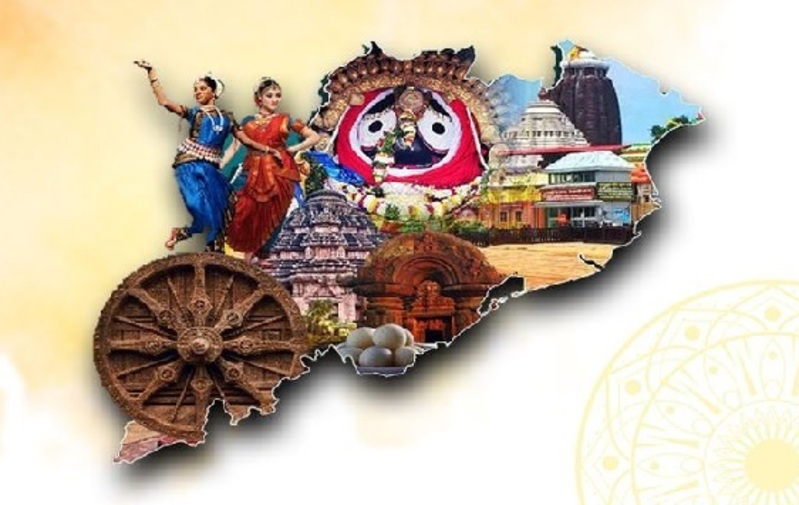
Every year on April 1, the state of Odisha celebrates Utkal Dibasa, also known as Odisha Day. This historic occasion marks the formation of Odisha as a separate state in 1936 during British rule. It was a landmark moment in India’s history, as Odisha became the first state to be formed on a linguistic basis, bringing together Odia-speaking people under one unified administration. Before its formation, Odisha was part of the Bihar and Orissa Province, with some regions under the Madras Presidency. The creation of the state included key regions like Koraput and Ganjam, finally giving the Odia people a political identity they had long fought for.
The journey to statehood was not easy. Odisha had lost its political identity in 1568 after the fall of its last independent ruler, Mukunda Dev. For centuries, the Odia language and culture faced neglect and fragmentation under different administrations. However, the spirit of the people remained unbroken. The movement for a separate Odisha grew stronger in the early 20th century, led by visionaries who believed in unity through language. Organizations like Utkal Sammilani played a crucial role in bringing people together and strengthening the demand for a separate state.
The formation of Odisha was the result of relentless efforts by several great leaders who dedicated their lives to the cause. Personalities like Madhusudan Das, fondly known as Utkala Gouraba, were at the forefront of this movement. He was supported by other influential figures such as Gopabandhu Das, Maharaja Krushna Chandra Gajapati, Fakir Mohan Senapati, and many more. These leaders not only fought for political recognition but also worked to preserve the Odia language, literature, and cultural identity. Their vision laid the foundation for a united and proud Odisha.
On April 1, 1936, Odisha officially became a separate province under British India. Initially, it consisted of six districts—Cuttack, Puri, Baleswar, Sambalpur, Koraput, and Ganjam—with Cuttack as its capital. The first Governor of Odisha Province was John Austin Hubback, marking the beginning of a new administrative journey for the state. This formation was not just a political achievement but a cultural victory for the Odia people.
Utkal Dibasa is celebrated with great enthusiasm across Odisha and among Odia communities worldwide. The day is filled with cultural programs, traditional music and dance performances, and community gatherings. Colorful processions, known as Jhankis, showcase Odisha’s rich heritage, history, and traditions. Schools, colleges, and local organizations conduct competitions, including singing, dancing, and essay writing. Fireworks light up the sky, adding joy and excitement to the celebrations. Families come together to honor their roots, while social events and performances highlight the beauty of Odia culture. It is a day of pride, remembrance, and unity.
Odisha holds a significant place in India’s cultural, historical, and economic landscape. It is home to the famous Jagannath Temple, one of the most sacred pilgrimage sites in the country, attracting millions of devotees every year. The state is also known for its classical dance form, Odissi, which is one of the oldest dance traditions in India. Odisha’s art, literature, and festivals reflect a deep-rooted cultural richness that contributes to India’s diverse heritage. Economically, Odisha is rich in natural resources, including minerals like iron ore and coal, playing a crucial role in India’s industrial growth. Its long coastline supports fishing, trade, and port activities, making it strategically important. Additionally, Odisha has made remarkable progress in disaster management, setting examples for the rest of the country in handling cyclones and natural calamities efficiently.
Utkal Dibasa stands as a symbol of unity, resilience, and cultural pride. It reminds us that language and identity can bring people together and create a strong sense of belonging. As Odisha continues to grow and contribute to India’s progress, this day remains a powerful reminder of its journey from losing its identity to reclaiming it with pride. Utkal Dibasa is not just a date on the calendar; it is a celebration of a people’s spirit, their language, and their unwavering determination. It honors the past, celebrates the present, and inspires the future. For every Odia, April 1 is a day to stand tall, feel proud, and say this is our story, our land, and our identity.
Romanticizing life and shaping stories from everything I see through my journalistic lens. Also, I love sports on the side.