"Dream, Dream, Dream! Conduct these dreams into thoughts, and then transform them into action."
- Dr. A. P. J. Abdul Kalam
"Dream, Dream, Dream! Conduct these dreams into thoughts, and then transform them into action."
- Dr. A. P. J. Abdul Kalam
20 Mar 2026
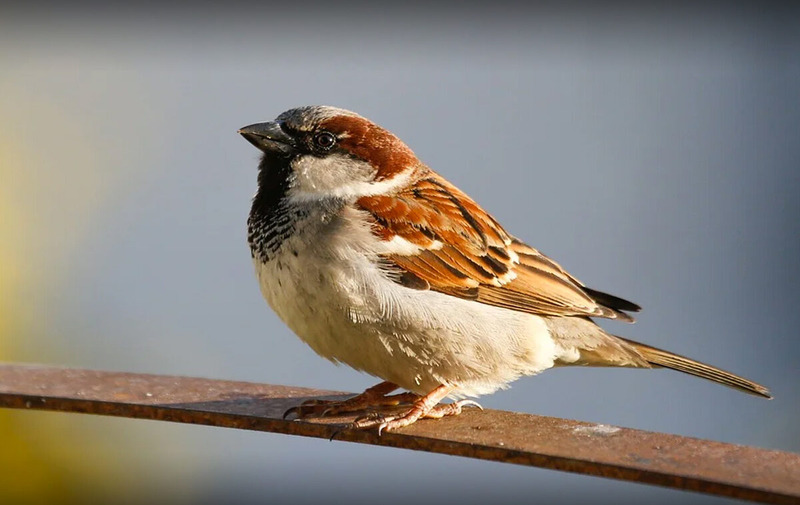
They were once everywhere, chirping on window sills, hopping across courtyards, and nesting quietly in the corners of our homes. The humble house sparrow, small and unassuming, has been a constant companion in human life for centuries. But today, their cheerful presence is fading. On March 20 every year, the world pauses to celebrate World Sparrow Day, a day dedicated to protecting these tiny birds and reminding us of their importance in our ecosystem.
World Sparrow Day is a global initiative aimed at raising awareness about the rapid decline of sparrows and other common urban birds. It was first launched in 2010 by the Nature Forever Society, led by Indian conservationist Mohammed Dilawar, in collaboration with international organizations. The day is more than just a celebration; it is a call to action. Sparrows, once abundant, are now disappearing due to urbanisation, pollution, modern architecture, and lifestyle changes. Their decline is not just about losing a bird species; it signals deeper environmental problems.
Sparrows may be small, but their role in nature is significant. They act as indicators of a healthy environment. When sparrow populations decline, it often means that something is wrong in the ecosystem. They help control insect populations, contribute to biodiversity, and maintain ecological balance. Their disappearance points to issues like pollution, excessive pesticide use, and loss of natural habitats. In simple words, if sparrows are struggling, humans may not be far behind. Over the years, sparrow numbers have dropped drastically. Surveys suggest that in India alone, their population has declined by more than 60 percent. In some regions, the situation is even worse. Cities that once echoed with their chirping now fall silent. Modern buildings with smooth walls and sealed windows offer no space for nesting. The disappearance of thatched roofs, increased use of chemicals in farming, and noise and air pollution have all contributed to their decline. This makes World Sparrow Day even more important; it reminds us that the problem is real and urgent.
While global campaigns and policies are important, real change often begins with individuals. In Nagpur, 70-year-old Ashok Tewani is proving exactly that. After retiring from the Bank of India in 2012, Tewani was searching for a meaningful way to spend his time. In 2014, he came across an article about the disappearing sparrows in his city. That moment changed everything. Sitting at his table, surrounded by glue sticks, cardboard, and tools, he began crafting birdhouses—simple yet powerful solutions to a growing problem. Using discarded materials like wedding cards and cardboard, Tewani started making small nests for sparrows. Over time, he refined his designs and standardised them to provide safe and comfortable spaces for birds. What started as a small effort soon turned into a mission. Today, he has created more than 2,700 birdhouses. Each box he makes is not just a structure; it is a lifeline.
Tewani’s work goes beyond building nests. He is also inspiring others, especially children, to care about nature. He actively engages with schools, teaching students about sustainability and the importance of protecting wildlife. His journey shows that environmental conservation does not always require big budgets or complex technology. Sometimes, it starts with creativity, compassion, and a willingness to act.
The beauty of World Sparrow Day lies in the fact that anyone can take part in it; you don’t need to be an expert or a scientist to make a meaningful difference. Even the simplest actions, when done with care, can help protect these tiny birds. Placing a bird feeder or a small nest box in your balcony or garden can provide sparrows with a safe space to eat and live, while keeping a bowl of water outside, especially during the hot summer months, can be life-saving for them. Planting native trees and shrubs creates natural habitats where they can rest and build nests, and avoiding chemical pesticides helps ensure their food sources remain safe. At the same time, spreading awareness through social media or community activities encourages more people to join the cause. When many individuals come together and take these small yet thoughtful steps, the collective impact can be powerful enough to bring back the cheerful chirping of sparrows into our everyday lives.
World Sparrow Day is not just about saving a bird; it is about reconnecting with nature. It reminds us of a time when humans and birds coexisted more closely, sharing spaces and lives. Ashok Tewani’s story shows that hope is still alive. Even in a fast-changing world, one person’s effort can inspire many others. As we celebrate March 20, let us listen carefully. If the chirping of sparrows has faded around us, it is time to bring it back. Because saving sparrows is not just about protecting a species; it is about preserving the delicate balance of life itself.

Romanticizing life and shaping stories from everything I see through my journalistic lens. Also, I love sports on the side.