"Dream, Dream, Dream! Conduct these dreams into thoughts, and then transform them into action."
- Dr. A. P. J. Abdul Kalam
"Dream, Dream, Dream! Conduct these dreams into thoughts, and then transform them into action."
- Dr. A. P. J. Abdul Kalam
20 Mar 2026
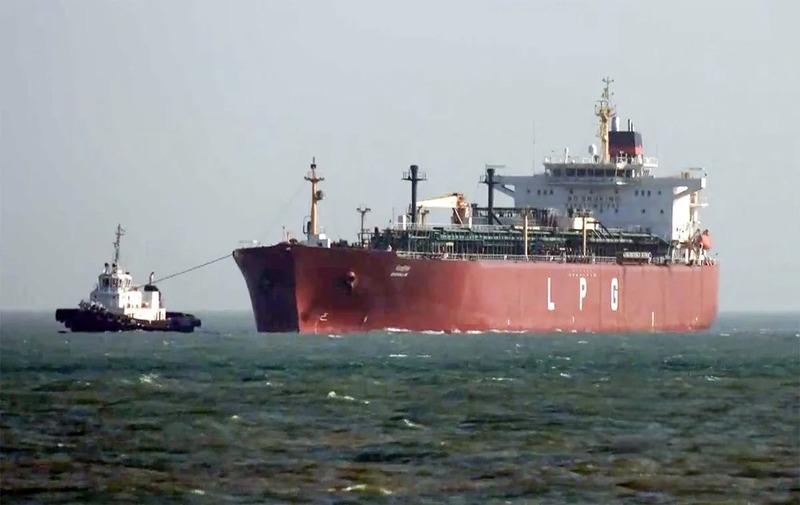
In a moment that reflects both resilience and preparedness, the Indian LPG carrier Shivalik has safely reached Mundra Port, carrying thousands of tonnes of liquefied petroleum gas (LPG). While global shipping routes have been facing disruptions, this successful journey is more than just a logistical achievement it is a reassuring sign for millions of Indian households that depend on LPG every day. The vessel, operated by the Shipping Corporation of India, carried around 46,000 metric tonnes of LPG ordered by Indian Oil Corporation, a vital fuel used in kitchens across the country.
The journey of Shivalik was not an ordinary one. It passed through the Strait of Hormuz, one of the most important and sensitive maritime routes in the world. This narrow passage handles nearly 20% of global oil trade, making it a lifeline for energy transportation. Despite challenges in the region, the vessel’s smooth transit highlights the strength of coordination, planning, and maritime expertise. It also reflects how India continues to ensure that essential supplies reach home without disruption.
LPG is not just another commodity it is a daily necessity. From cooking meals in households to powering small businesses and restaurants, its role in everyday life is immense. Out of the total cargo carried by Shivalik, about 20,000 metric tonnes will be unloaded at Mundra, while the remaining 26,000 tonnes will be transported to New Mangalore Port. This distribution ensures that different regions receive a steady supply of fuel. For millions of families, especially those who rely on LPG cylinders for cooking, this shipment represents continuity, comfort, and stability.
India relies significantly on imports to meet its energy requirements. A large portion of crude oil, natural gas, and LPG comes from international sources. This makes efficient and safe transportation systems extremely important. The arrival of Shivalik is part of a broader effort to maintain steady energy supplies. Another vessel, Nanda Devi, is expected to arrive soon, while Jag Laadki, carrying crude oil, is already on its way. Together, these shipments ensure that supply chains remain uninterrupted and that the country continues to meet its growing energy demands. Behind every successful journey like this is a network of people working tirelessly. From seafarers navigating vast oceans to port authorities managing arrivals, each step requires precision and teamwork. At Mundra Port, special arrangements such as priority berthing and streamlined documentation were put in place to ensure that the unloading process happens without delay. These efforts highlight how well-coordinated systems can make a significant difference in critical situations. Importantly, all Indian seafarers in the region remain safe, bringing relief to families waiting for their loved ones back home.
The safe arrival of Shivalik also reflects India’s growing maritime strength. With modern vessels like Very Large Gas Carriers (VLGCs), the country is better equipped to handle large-scale energy transportation. Shivalik itself is an impressive example. Built with advanced safety systems and temperature-controlled cargo tanks, it is designed to carry massive quantities of LPG securely over long distances. Its scale and capability represent India’s focus on strengthening its shipping infrastructure. While headlines often focus on cargo and quantities, the real story lies in the human connection. Every shipment of LPG directly impacts daily lives. It means a mother can cook meals for her family without worry. It means small food businesses can continue serving customers. It means homes stay warm and functional. It also reflects the dedication of seafarers who spend weeks away from their families, ensuring that essential supplies reach millions. Their efforts often go unnoticed, yet they play a crucial role in keeping the country running smoothly.
In response to global challenges, India has also taken proactive steps to ensure energy availability. Measures such as reserving LPG supplies for essential services and exploring alternative fuel options show a balanced approach to managing resources. These steps are not just about handling present needs they are about preparing for the future. The journey of the LPG carrier Shivalik is more than a maritime success—it is a story of resilience, coordination, and commitment. In a world of uncertainties, such moments bring reassurance and stability. For millions of Indians, it is a quiet but powerful reminder that even in challenging times, the systems that support daily life continue to work tirelessly. And sometimes, behind a simple LPG cylinder in a kitchen lies a much bigger story of ships, seas, and the people who make it all possible.

Writing about what truly matters, good news and stories to remind the world - it is brighter than we think.