"Dream, Dream, Dream! Conduct these dreams into thoughts, and then transform them into action."
- Dr. A. P. J. Abdul Kalam
"Dream, Dream, Dream! Conduct these dreams into thoughts, and then transform them into action."
- Dr. A. P. J. Abdul Kalam
15 Apr 2026
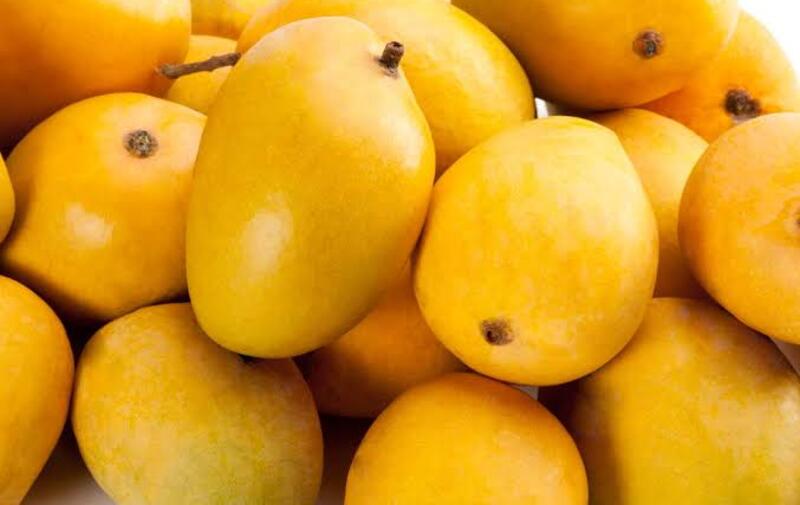
In India, the arrival of summer is not announced by the calendar—it is felt in the air, seen in the markets, and tasted in the first bite of a ripe mango. From bustling city streets to quiet village homes, mangoes are more than just a fruit; they are a season, a memory, and an emotion. As the world’s largest producer of mangoes, India contributes nearly 40 to 50 percent of global production. Yet, despite this enormous output, very few of these mangoes ever leave the country. The reason is simple—India loves its mangoes too much to let them go.
India’s dominance in mango production is unmatched. With diverse climatic conditions and fertile soil, the country produces hundreds of varieties, each with its own unique taste, texture, and aroma. From the sweetness of Alphonso to the richness of Dasheri and the tang of Kesar, mangoes in India are as diverse as its culture. Every year, millions of tonnes of mangoes are harvested across states like Maharashtra, Uttar Pradesh, Andhra Pradesh, and Gujarat. This scale of production makes India the undisputed leader in the global mango market. Yet, this leadership tells only part of the story.
India’s domestic mango market is valued at over $3.2 billion, driven by a population of more than 1.4 billion people. But these numbers cannot fully capture the emotional connection Indians have with mangoes. For many families, mango season is a ritual. It means buying boxes of mangoes, storing them carefully, and waiting patiently for them to ripen. It means sharing slices after meals, making aamras during special occasions, and enjoying mango-based desserts that bring generations together. In Indian households, mangoes are not just consumed—they are celebrated.
Despite producing nearly half of the world’s mangoes, India exports less than 1 percent of its total output. This may seem surprising, but the reasons are deeply rooted in both demand and logistics. The first reason is simple: domestic consumption is extremely high. With such a large population and strong cultural attachment to mangoes, most of the produce is consumed within the country. The second reason lies in the challenges of exporting fresh mangoes. Strict international standards, especially phytosanitary regulations, require careful handling, treatment, and certification. Maintaining quality during long-distance transport is also a challenge, as mangoes are delicate and highly perishable. These factors make exporting fresh mangoes more complex compared to other fruits.
While India leads in production, countries like Mexico have emerged as top exporters in recent years. Between 2023 and 2025, Mexico held the top spot in mango exports, thanks to its proximity to major markets like the United States and its efficient supply chain. This contrast highlights an important reality: being the largest producer does not always mean being the largest exporter. Logistics, infrastructure, and global trade networks play a crucial role in determining export success.
While fresh mango exports may be limited, India has found its strength in a different segment—mango pulp. The country is the world’s largest exporter of mango pulp, contributing over 55 percent of global output. Mango pulp is used in a wide range of products, from juices and desserts to baby food and confectionery. It is easier to store, transport, and process, making it an ideal product for international markets. This segment allows India to maintain a strong global presence while overcoming the challenges associated with exporting fresh fruit.
The story of India’s mango industry is not just about production and trade. It is about people. It is about farmers who wait for months, nurturing their orchards with care and hope. It is about vendors who stack mangoes in neat pyramids, calling out to customers in crowded markets. It is about families who gather around a plate of sliced mangoes, sharing stories and laughter. In many ways, mangoes connect India—from rural farms to urban homes, from tradition to modern markets.
As global demand for mangoes continues to grow, India faces an interesting challenge. How can it balance its strong domestic consumption with the opportunity to expand exports? Improving cold storage facilities, investing in better logistics, and meeting international quality standards could help India increase its share in the global export market. At the same time, preserving the cultural significance of mangoes within the country remains equally important. This balance will shape the future of India’s mango industry.
India’s relationship with mangoes is unique. It is not just about being the largest producer or dominating global markets. It is about a deeper connection a love that keeps most of its mangoes within its borders. In a world driven by exports and competition, India’s mango story is a reminder that some things are too special to let go. Because in India, a mango is not just a fruit. It is a feeling, a tradition, and a taste of home.

Writing about what truly matters, good news and stories to remind the world - it is brighter than we think.