"Dream, Dream, Dream! Conduct these dreams into thoughts, and then transform them into action."
- Dr. A. P. J. Abdul Kalam
"Dream, Dream, Dream! Conduct these dreams into thoughts, and then transform them into action."
- Dr. A. P. J. Abdul Kalam
22 Jun 2026
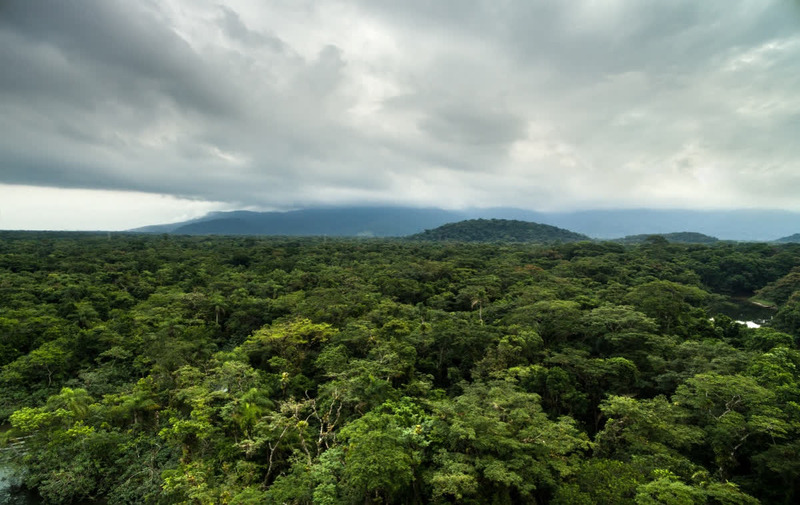
Every year on June 22, the world observes World Rainforest Day, a global reminder of the vital role forests play in sustaining life on Earth. The theme for World Rainforest Day 2026, “The Forest Within You,” highlights the deep connection between human well-being and healthy ecosystems.
While concerns over deforestation continue to dominate headlines, India has several inspiring stories that prove that conservation can succeed. Across the country, some of its most precious rainforests have not only survived but thrived, thanks to people who chose protection over destruction.
Nestled in Kerala’s Western Ghats, Silent Valley National Park is often called the “Amazon of India.” In the 1970s, this pristine tropical rainforest faced the threat of a hydroelectric project. What followed became one of India’s greatest environmental movements. Scientists, conservationists, writers and ordinary citizens came together to save the forest. Their efforts paid off, and in 1984, the project was shelved.
Today, Silent Valley remains one of the world’s most undisturbed rainforests, sheltering endangered species like the lion-tailed macaque and countless varieties of flora and fauna.
Thousands of kilometres away in Assam, Kaziranga National Park stands as another remarkable success story. Once threatened by poaching and habitat loss, the UNESCO World Heritage Site has transformed into a model for wildlife conservation. Home to nearly two-thirds of the world’s one-horned rhinoceroses, Kaziranga has witnessed a remarkable revival of its wildlife populations.
Strong anti-poaching measures, habitat protection and community participation have helped make the park one of India’s greatest conservation achievements. It is also one of the country’s most important tiger habitats.
Long before conservation became a global movement, communities in Meghalaya were protecting forests through tradition. The Khasi people have preserved sacred groves for centuries, considering them places of spiritual significance. As a result, these forests have remained largely untouched and now serve as biodiversity hotspots.
Scientists today regard these sacred groves as shining examples of community-led conservation and sustainable coexistence with nature.
Stretching across Kerala and Tamil Nadu, the Agasthyamalai Biosphere Reserve combines indigenous wisdom with scientific conservation. Rich in medicinal plants and unique species, it is one of the jewels of the Western Ghats.
Further east, Arunachal Pradesh’s Namdapha National Park is among India’s least-explored rainforest wonders. It is one of the rare places in the world where four big cat species—tiger, leopard, snow leopard and clouded leopard—can be found.
At a time when rainforests worldwide face mounting pressure, these Indian success stories offer a powerful message: conservation works. From Silent Valley’s people-powered movement to Kaziranga’s wildlife revival and Meghalaya’s centuries-old traditions, India’s rainforests stand as symbols of hope.
On World Rainforest Day 2026, they remind us that protecting forests is not merely about saving trees, it is about safeguarding the very heartbeat of our planet.
.jpeg)
I have a Masters in Literature and a knack for spotting the silver lining! When I’m not chasing good news, you’ll find me nurturing my farm or lost in a good book.