"Dream, Dream, Dream! Conduct these dreams into thoughts, and then transform them into action."
- Dr. A. P. J. Abdul Kalam
"Dream, Dream, Dream! Conduct these dreams into thoughts, and then transform them into action."
- Dr. A. P. J. Abdul Kalam
26 Feb 2026
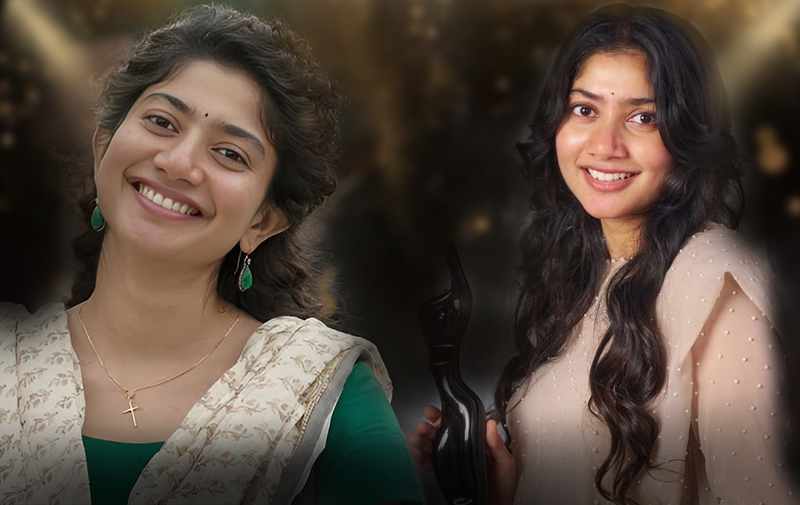
In an industry often dominated by glamour, box office numbers, and star power, Sai Pallavi has quietly rewritten the rules. At the prestigious Filmfare Awards South, she achieved a rare milestone, securing seven awards from eleven nominations across Telugu, Tamil, and Malayalam cinema. The moment was not just about trophies; it was about validation. It was about an actress who chose authenticity over image, performance over popularity, and substance over spectacle. Her record-breaking victory marks her as the most awarded new-generation South Indian actress, a feat that speaks volumes about her consistency, credibility, and pan-South appeal.
Winning seven Filmfare Awards at a single stretch is an extraordinary accomplishment. In a competitive industry filled with powerhouse performers, such dominance underscores something deeper than popularity; it reflects respect. Critics and industry insiders described the moment as historic, celebrating not just a star but a serious performer who has steadily built her craft over the years. The sweep also highlights her remarkable versatility. From emotionally intense dramas to layered romantic roles, Sai Pallavi has shown an ability to immerse herself completely into characters. Her Filmfare triumph is not an overnight victory but the result of years of deliberate choices and disciplined performances.
Sai Pallavi first captured hearts with her breakout performance in the Malayalam film Premam. Playing Malar, she delivered a natural, refreshingly unfiltered portrayal that instantly resonated with audiences. There was no exaggerated glamour, no dramatic overacting, just pure authenticity. That authenticity became her signature. In Telugu cinema, films like Fidaa and Love Story further strengthened her reputation. Her portrayal of strong, independent women who carried emotional depth without losing vulnerability made her stand out. In Shyam Singha Roy, she balanced grace and intensity, while in Virata Parvam, she brought sincerity and quiet strength to a politically charged narrative. In Gargi, her performance was widely praised for its emotional restraint and raw realism. It was not a commercial spectacle but a powerful character study and she embraced it fully. Each role reinforced the same message: Sai Pallavi does not chase stardom; she chases truth within her characters.

Her latest performance in Amaran has become a defining chapter in this journey. The film showcased her ability to convey complex emotions with minimal dialogue. Critics lauded her nuanced expressions and deeply internalized acting style. Audiences connected with the vulnerability she portrayed, calling it one of her most heartfelt performances. It was not loud or exaggerated. It was measured, layered, and profoundly human. That emotional resonance played a major role in her sweeping success at the Filmfare Awards. It reaffirmed her standing as an actress who can carry the emotional weight of a film with grace and conviction.

What truly sets Sai Pallavi apart is her refusal to conform to industry stereotypes. She has consistently chosen performance-driven roles instead of glamour-heavy appearances. She has turned down projects that did not align with her values or artistic instincts. In an era where image often outweighs talent, her journey feels refreshingly different. She appears on screen without excessive styling, allowing her expressions and body language to carry the narrative. This conscious rejection of superficial expectations has not limited her growth; instead, it has amplified her credibility. Her success proves that audiences still value authenticity. They crave performances that feel real, characters that feel lived-in, and stories that resonate emotionally. Sai Pallavi delivers exactly that.
As she continues to dominate South Indian cinema, Sai Pallavi is now stepping into a new chapter with her involvement in the much-anticipated Hindi epic Ramayana. The project marks her expansion into a broader pan-India presence. This move is significant. It symbolizes not just geographic expansion but artistic evolution. Transitioning from regional acclaim to national recognition requires adaptability, and Sai Pallavi’s track record suggests she is more than ready for it. Her inclusion in such a grand-scale production signals industry confidence in her ability to carry complex, culturally significant roles on a larger canvas. Beyond awards and accolades, what makes Sai Pallavi’s journey inspiring is its relatability. She represents countless young dreamers who believe that hard work and sincerity can still win in competitive spaces. She is often described as grounded, soft-spoken, and fiercely dedicated to her craft. Fans see not just an actress but a reflection of integrity and determination. Social media erupted with congratulatory messages following her Filmfare victory, with many calling her achievement “well deserved.” For her admirers, the milestone felt personal, like watching someone who stayed true to herself rise without compromise.
Sai Pallavi’s seven Filmfare wins are more than just numbers. They represent a shift in what the industry celebrates. Performance-driven roles are no longer sidelined in favor of commercial spectacle. Authentic storytelling is gaining space, and artists who prioritize craft are being recognized. As the most awarded new-generation South Indian actress, she has set a new benchmark. But perhaps more importantly, she has shown that meaningful cinema and mainstream recognition can coexist. Her journey from Premam to Amaran, and now toward Ramayana reflects a career built not on shortcuts but on conviction. In doing so, Sai Pallavi has not only secured awards, but she has also secured a legacy. And in an industry that constantly evolves, that may be her greatest achievement yet.


Writing about what truly matters, good news and stories to remind the world - it is brighter than we think.