"Dream, Dream, Dream! Conduct these dreams into thoughts, and then transform them into action."
- Dr. A. P. J. Abdul Kalam
"Dream, Dream, Dream! Conduct these dreams into thoughts, and then transform them into action."
- Dr. A. P. J. Abdul Kalam
5 Mar 2026
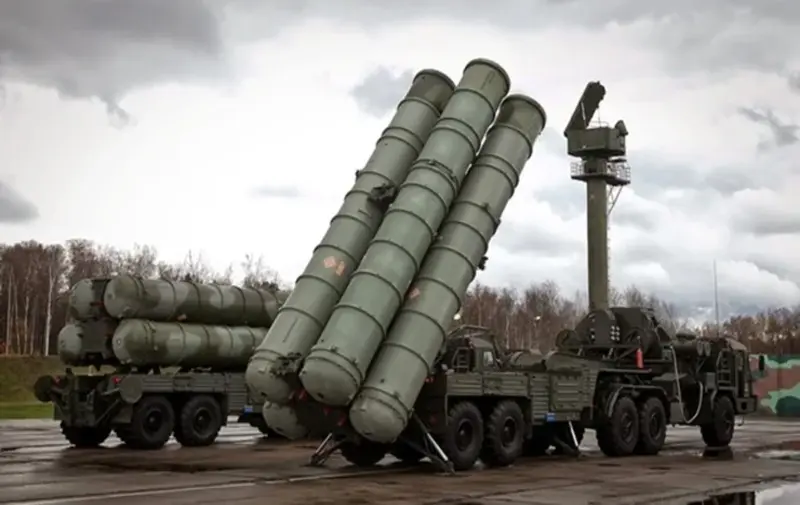
In an era where air power defines military dominance, the sky has become the most contested battlefield. As regional tensions simmer and advanced aerial threats multiply, India is preparing to significantly bolster its air defence architecture. New Delhi is fast-tracking plans to procure five additional squadrons of the S-400 ‘Sudarshan Chakra’ air defence missile system from Russia, building on a deal first signed in 2018. The move comes at a time when global scrutiny of air defence systems has intensified. Recent conflicts have exposed vulnerabilities in certain platforms, reshaping how nations evaluate their strategic deterrence. Against this backdrop, India’s push to expand its S-400 inventory signals a clear priority: securing its airspace with proven, long-range protection.
India and Russia signed a $5.5 billion agreement for five S-400 squadrons. Of these, three have already been inducted and operationalised within India’s strategic air defence command. The remaining two are expected to be delivered in 2026 and 2027. Now, discussions are underway to add five more squadrons to the inventory. If finalised, this expansion would significantly enhance India’s ability to create a multi-layered, pan-regional air defence umbrella capable of countering a spectrum of airborne threats. The S-400 system, referred to in Indian service as ‘Sudarshan Chakra,' derives its name from the mythological divine weapon of Lord Vishnu, a symbol of precision and invincibility. In strategic terms, the system is designed to detect, track and neutralise threats long before they approach critical assets.
The S-400 is regarded as one of the most advanced long-range surface-to-air missile systems in the world. It can track targets at distances of up to 600 kilometres and intercept them at ranges of up to 400 kilometres. This capability provides early warning and deep defensive reach, allowing Indian forces to engage hostile aircraft, cruise missiles, drones and even tactical ballistic missiles. Each squadron consists of two batteries. A battery includes six launchers, advanced phased-array radar systems and a command-and-control centre. A single battery can support up to 128 missiles, enabling sustained operations in high-intensity conflict scenarios. What sets the S-400 apart is its layered defence structure. Equipped with multiple types of missiles, it can engage targets at varying altitudes and distances, creating overlapping defensive rings. Its electronic warfare and radar capabilities allow it to function effectively even in contested electromagnetic environments.
Expanding the S-400 inventory would enhance India’s ability to protect critical military installations, urban centres and strategic assets. It would also deepen the integration of air defence with offensive air operations, strengthening the country’s overall deterrence posture. From a geopolitical perspective, the purchase underscores the continued defence cooperation between India and Russia, even as New Delhi diversifies its procurement portfolio. Balancing global partnerships while safeguarding national security remains a defining feature of India’s strategic approach. The system’s long detection range also provides an advantage in early threat identification, buying valuable time for response. In modern warfare, seconds can determine outcomes, and advanced radar networks offer decision-makers that crucial margin. In the contest for air superiority, preparedness is power. By expanding its S-400 fleet, India is sending a clear message: its skies will remain guarded, its defences vigilant, and its strategic vision firmly focused on the horizon.

Writing about what truly matters, good news and stories to remind the world - it is brighter than we think.