"Dream, Dream, Dream! Conduct these dreams into thoughts, and then transform them into action."
- Dr. A. P. J. Abdul Kalam
"Dream, Dream, Dream! Conduct these dreams into thoughts, and then transform them into action."
- Dr. A. P. J. Abdul Kalam
17 Mar 2026
Tucked away in the quiet village of Ramassery, lies a culinary wonder that has stood the test of time Ramassery Idli. Unlike the typical round, fluffy idlis found across South India, this rare delicacy surprises visitors with its unique shape, texture, and preparation style. Often referred to as the “King of Idlis,” it is not just food it is a story, a tradition, and a living heritage. In a world driven by fast food and instant mixes, Ramassery Idli remains deeply rooted in its origins, preserving a legacy that dates back over 200 years.
The story of Ramassery Idli is one of migration, resilience, and cultural fusion. Historical accounts and local legends suggest that centuries ago, families from Tamil Nadu particularly from regions like Tirupur, Kanchipuram, and Thanjavur moved to Kerala in search of livelihood. These were primarily Mudaliar weaver families, skilled in their craft. While the men worked on looms, the women brought with them their culinary expertise. Over time, they adapted their traditional recipes to local ingredients and methods, giving birth to what we now know as Ramassery Idli. Today, only a handful of these families continue the tradition, making each idli not just a dish, but a piece of living history.
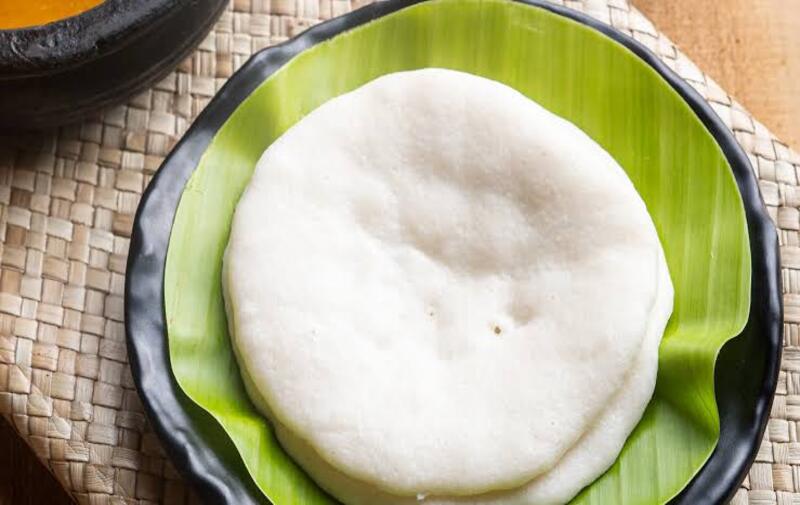
At first glance, Ramassery Idli might confuse you. It doesn’t resemble the conventional idli at all. Instead, it looks like a puffed-up dosa—flat, slightly spread out, and with a distinctive texture.
Unlike the standard round and dome-shaped idli, Ramassery Idli has a flatter, broader appearance. Its underside carries a meshed pattern, a result of the unique cloth-based steaming technique used during preparation.
The texture is where the magic truly lies. These idlis are incredibly soft and airy, almost melting in the mouth. The first bite offers a velvety smoothness, followed by a slightly grainy aftertaste that enhances digestion and leaves a satisfying feeling.
One of the most fascinating aspects is its shelf life. While regular idlis tend to harden within hours, Ramassery Idlis can stay fresh for up to three days a rare quality that adds to their uniqueness.
The ingredients used are simple—rice, black gram (urad dal), fenugreek seeds, and salt. However, the secret lies not in the ingredients but in the method of preparation Clay Pots and Cloth Steaming The batter is poured onto a cloth stretched over specially designed earthen pots. This is what gives the idli its signature mesh-like texture underneath. The steaming process is slow and careful, allowing the idli to cook evenly Firewood Cooking Traditionalists strongly believe that the authentic taste can only be achieved using wood-fired chulhas. The smoky aroma and consistent heat enhance the flavor, making it impossible to replicate with modern gas or electric stoves. This commitment to tradition is what keeps the essence of Ramassery Idli alive even today.
Food is often more than just sustenance it is memory, identity, and emotion. For the people of Ramassery, this idli is a symbol of their heritage. Families involved in its preparation have passed down the recipe through generations. Children grow up watching their elders grind batter, prepare the cloth setup, and tend to the firewood stove. It becomes a way of life, not just a profession. Visitors who travel to Ramassery often speak not only about the taste but also about the warmth of the people. The experience of eating these idlis, served fresh with coconut chutney or sambar, becomes deeply personal—almost like being welcomed into someone’s home.
In today’s era of globalization, where food is often standardized, Ramassery Idli stands out as a reminder of India’s rich culinary diversity. It tells a story of migration, adaptation, and preservation. Travelers, food bloggers, and culinary enthusiasts from across the world make their way to Ramassery just to experience this dish in its authentic setting. Because the truth is simple you cannot truly taste Ramassery Idli anywhere else.
As modernization continues to influence food habits, traditional recipes like Ramassery Idli face the risk of fading away. The limited number of families still practicing this art makes it even more important to recognize and preserve it. Efforts by local communities and food enthusiasts are helping bring attention to this unique dish. However, its survival ultimately depends on continued appreciation and awareness. Ramassery Idli is not just a variation of a popular South Indian dish it is a symbol of heritage, craftsmanship, and cultural identity. From its origins in migrating Mudaliar families to its present-day fame, it carries with it stories of resilience and tradition. In every bite, you taste not just rice and lentils, but 200 years of history, love, and dedication. And perhaps that is what truly makes it the “King of Idlis.”

Romanticizing life and shaping stories from everything I see through my journalistic lens. Also, I love sports on the side.