"Dream, Dream, Dream! Conduct these dreams into thoughts, and then transform them into action."
- Dr. A. P. J. Abdul Kalam
"Dream, Dream, Dream! Conduct these dreams into thoughts, and then transform them into action."
- Dr. A. P. J. Abdul Kalam
24 Mar 2026
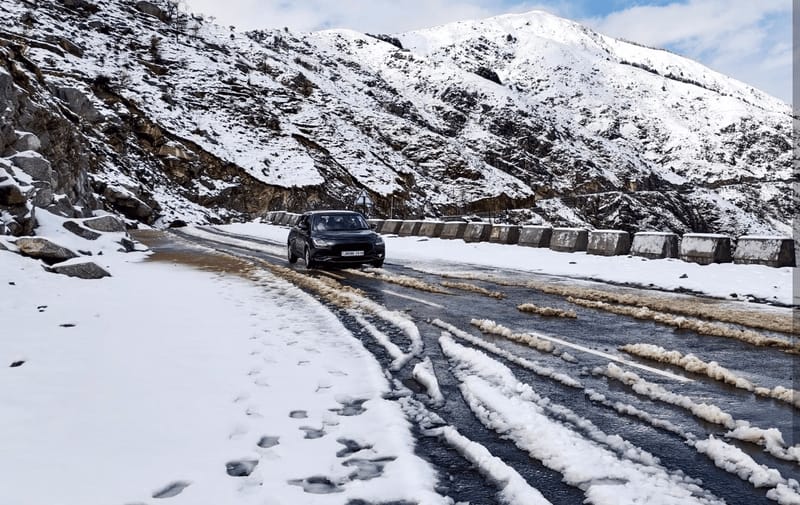
This winter season has brought fresh, sustained snowfall across the Indian Himalayan region, transforming it into a stunning white landscape. From Kashmir’s valleys to the hill towns of Himachal Pradesh and the sacred heights of Uttarakhand, snow has blanketed mountain passes, town centers, lakes, and forests. Cities like Manali, Shimla, Nainital, Badrinath, and Jammu are witnessing some of the season’s heaviest snowfall, attracting travellers seeking serene snow views, cool weather, and winter experiences.
This snowy transformation makes the region an ideal winter travel destination for photographers, nature lovers, couples, and families. While the snow adds beauty and adventure, it also demands careful planning, from travel timings to packing essentials and safety measures.
Best Places to Visit in the Snowy Himalayas
Here’s a breakdown of key destinations, what they offer, and when to visit:
1. Manali, Himachal Pradesh
What to Expect: Snow‑covered landscapes, foggy mornings, scenic roads, and cozy cafés.
Best Time: December to February, with January offering peak snow.
Highlights:
Rohtang Pass (weather permitting) for high‑altitude snow.
Solang Valley for snow scooters and skiing.
Old Manali for food and nightlife.
Tips: Weather can change suddenly, always check local conditions before heading to high passes.
2. Shimla, Himachal Pradesh
What to Expect: Snowy colonial architecture, ridge walks with snowy views, and festive markets.
Best Time: Late December to mid‑February.
Highlights:
Snowfall at The Ridge and Mall Road.
Kufri, a short drive away, great for snow play and photography.
Local winter food like hot “chha gosht” and steaming chai.
Tips: Roads can get slippery, wear comfortable winter footwear.
3. Gulmarg & Kashmir Valley
What to Expect: Deep snow, frozen lakes, and Europe‑like views.
Best Time: December to February, January is often best for stable snow.
Highlights:
Gulmarg Gondola, one of the highest cable cars in Asia.
Snowboarding and skiing zones.
Srinagar’s Dal Lake with partly frozen edges.
Tips: Pre‑book stays and gondola tickets, snow season is popular.
4. Nainital & Kumaon, Uttarakhand
What to Expect: Snow‑topped hills, frozen lake edges, and peaceful winter walks on the Naini Lake promenade.
Best Time: January is usually peak for snowfall.
Highlights:
Snow View Point via cable car.
Local markets and homemade winter foods.
Tips: If winds are strong, cable car operations can pause, check timings.
By Air: Nearest airports include Shimla (Himachal), Kullu‑Manali (Bhuntar), Dehradun (for Nainital/Badrinath), and Srinagar (Kashmir).
By Train: Jammu Tawi is the major railhead for Northern Himachal and Kashmir.
By Road: Well‑connected highways lead to all major hill stations — but check weather updates as snow can slow traffic.
Warm layers: Thermals, fleece, jackets, and windproof coats.
Footwear: Waterproof boots with good grip.
Accessories: Gloves, scarves, wool caps, and warm socks.
Health: Sunscreen (snow reflects sunlight), lip balm, moisturizer.
Optional: Microspikes for icy paths if hiking.
The Indian Himalayas in snow offer a travel experience that blends natural beauty with cultural charm. Whether it’s sipping chai with a snowy mountain view, riding a cable car through frost, or simply watching the first flakes fall, these destinations define winter travel in South Asia. With the right planning and respect for the weather, this snowy season can become a memorable journey into the heart of the high mountains.

Writing about what truly matters, good news and stories to remind the world - it is brighter than we think.