"Dream, Dream, Dream! Conduct these dreams into thoughts, and then transform them into action."
- Dr. A. P. J. Abdul Kalam
"Dream, Dream, Dream! Conduct these dreams into thoughts, and then transform them into action."
- Dr. A. P. J. Abdul Kalam
25 Mar 2026
In a time when environmental degradation often feels irreversible, one powerful story from Azamgarh, Uttar Pradesh is restoring hope. Led by Ravindra Kumar, a remarkable community-driven initiative has revived the dying Tamsa River in just two months. What makes this achievement extraordinary is not just the speed, but the scale of participation 111 villages came together to bring a lifeless river back to life. This story is not just about environmental restoration; it is about the power of unity, leadership, and belief in collective change.
Once a vital lifeline for nearby communities, the Tamsa River had gradually turned into a neglected, polluted stretch of water. Years of waste dumping, plastic accumulation, and unchecked silt had choked its natural flow. The river had become stagnant, emitting foul smells and losing its ecological balance. Aquatic life had disappeared, and the surrounding environment had begun to suffer. For many locals, the river was no longer a source of life but a reminder of neglect.
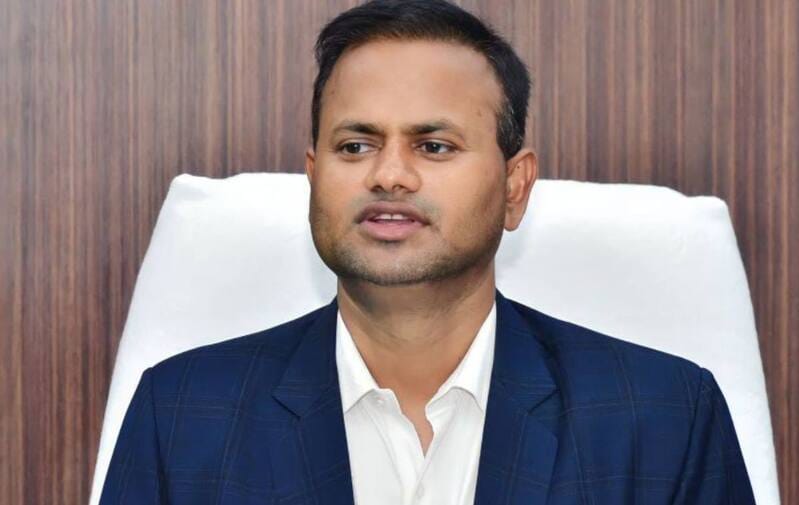
When IAS officer Ravindra Kumar took charge, he saw more than just a polluted river he saw potential. Instead of relying solely on government machinery, he chose a different path: community participation. The idea was simple yet powerful mobilize people, create ownership, and turn the revival into a people’s movement. This approach, often referred to as “Jan Shakti” (people’s power), became the backbone of the entire campaign.
The scale of the initiative was massive. A total of 111 villages were brought together under a shared mission—to revive the Tamsa River. Local residents, volunteers, and officials worked side by side. The campaign wasn’t just about cleaning a river; it was about reconnecting people with their environment. Meetings, awareness drives, and community discussions helped build a sense of responsibility among villagers. For many, this was the first time they felt directly involved in shaping their surroundings.
The revival process involved a series of well-planned and intensive activities carried out on a large scale. Extensive desilting and cleaning operations were undertaken to remove accumulated mud, debris, and plastic waste from the riverbed, which helped clear blockages and allowed water to flow freely once again. The team also worked on restoring the river’s natural course by deepening the channel and removing obstructions, ensuring continuous water movement. Alongside this, a massive plantation drive was conducted, with around 65,000 fruit-bearing and native trees planted along the riverbanks to stabilize the soil, prevent erosion, and enhance the ecosystem. Most importantly, the entire effort was driven by strong community participation, with local residents actively contributing their time, effort, and resources, transforming the initiative into a collective mission rather than just a government-led project.
What would normally take years was achieved in just two months. The results were visible and immediate. The once-stagnant river began to flow again. Water quality improved, and signs of aquatic life started to return. The surrounding areas became cleaner, greener, and more vibrant. For the people of Azamgarh, this was more than a transformation of a river—it was a transformation of mindset. India faces numerous environmental challenges, from polluted rivers to deforestation. The revival of the Tamsa River shows that solutions do not always require massive funding—they require intent, planning, and people’s participation. The project stands as a blueprint for how local governance, combined with community action, can create rapid and meaningful change. The story of Ravindra Kumar and the revival of the Tamsa River is a powerful reminder that no problem is too big when people unite. It is a story of hope in the face of neglect, action in the face of despair, and success through unity. In just two months, a dying river found new life and along with it, a community rediscovered its strength. And perhaps that is the most important lesson of all: when people come together with purpose, even a silent river can find its voice again.

Writing about what truly matters, good news and stories to remind the world - it is brighter than we think.