"Dream, Dream, Dream! Conduct these dreams into thoughts, and then transform them into action."
- Dr. A. P. J. Abdul Kalam
"Dream, Dream, Dream! Conduct these dreams into thoughts, and then transform them into action."
- Dr. A. P. J. Abdul Kalam
1 Apr 2026
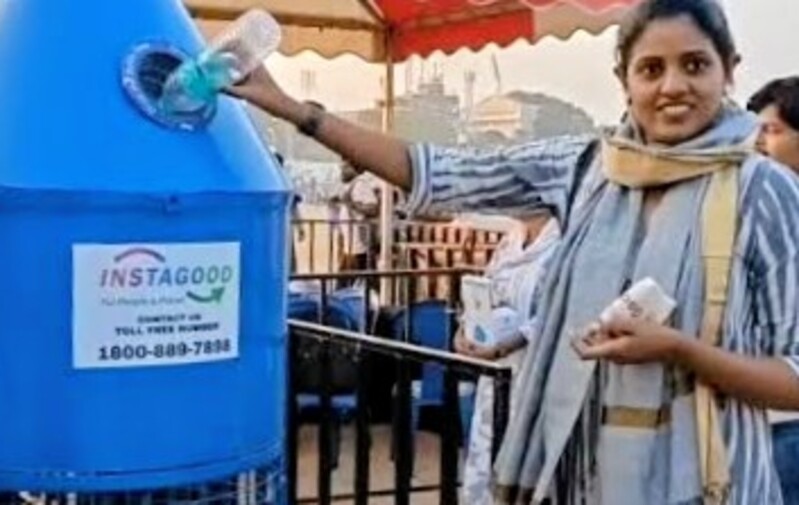
Along the iconic shoreline of Marina Beach, something remarkable is happening. Known for its beauty and bustling crowds, the beach has often struggled with plastic waste left behind by visitors. But now, Chennai residents are rewriting that story through an innovative initiative called “Waste to Valuable.” This unique effort allows citizens to deposit used plastic bottles into a smart machine and, in return, receive eco-friendly bags. It’s a simple idea but one with the power to spark a larger environmental movement.
The “Waste to Valuable” initiative is part of the broader Kuppai Thiruvila campaign, which focuses on waste awareness and sustainable living. At the heart of this initiative is a reverse vending machine, a smart system designed to encourage recycling. Instead of throwing plastic bottles into bins or leaving them on the sand, people can now deposit them into this machine. In exchange, they receive reusable, eco-friendly bags. This system not only reduces waste but also rewards responsible behavior, making sustainability both practical and engaging.
The process is designed to be user-friendly. Visitors collect their used plastic bottles and insert them into the machine installed at Marina Beach. Once the machine registers the deposit, it dispenses an eco-friendly bag. This exchange creates a direct connection between action and reward. It turns recycling into an experience, one that is interactive, immediate, and satisfying. By making sustainability accessible, the initiative encourages more people to participate, from children to elderly visitors.
Plastic pollution is one of the biggest environmental challenges facing coastal cities like Chennai. Beaches, which should be symbols of natural beauty, often become dumping grounds for single-use plastics. The “Waste to Valuable” initiative addresses this issue at its source: human behavior. Instead of relying solely on cleanup drives, it focuses on prevention. By incentivizing proper disposal and recycling, the initiative reduces the amount of plastic that ends up in the ocean, protecting marine life and preserving the ecosystem.
What makes this initiative truly special is the role of the community. It is not just a government project—it is a people’s movement. Families visiting the beach now actively collect plastic bottles. Children learn the importance of recycling through participation. Vendors and local residents become part of the solution rather than contributors to the problem. This collective effort creates a sense of ownership. People begin to see the beach not just as a public space but as a shared responsibility. Environmental challenges can often feel overwhelming. Climate change, pollution, and waste management are global issues that seem too big for individuals to tackle. But initiatives like “Waste to Valuable” break that barrier. They show that individual actions, when multiplied across a community, can create meaningful change. They also highlight the importance of innovation in solving environmental problems. By combining technology with human behavior, the initiative creates a sustainable model that can be replicated in other cities.
Chennai’s approach offers a blueprint for urban sustainability. Coastal cities across India and beyond face similar challenges with plastic waste. By introducing reverse vending machines and reward-based systems, these cities can encourage responsible behavior among citizens. The success of the initiative at Marina Beach proves that people are willing to participate if given the right tools and incentives. While the immediate goal is to reduce plastic waste, the larger impact goes beyond cleanliness.
The initiative promotes a culture of sustainability. It encourages people to rethink their consumption habits, reduce single-use plastics, and adopt eco-friendly alternatives. Over time, these changes can lead to a more environmentally conscious society. Chennai’s “Waste to Valuable” initiative is a reminder that solutions to environmental problems often lie in collaboration between technology, policy, and people. As more citizens participate, the ripple effect grows stronger. Cleaner beaches lead to healthier ecosystems, which in turn contribute to a better quality of life.
Romanticizing life and shaping stories from everything I see through my journalistic lens. Also, I love sports on the side.