"Dream, Dream, Dream! Conduct these dreams into thoughts, and then transform them into action."
- Dr. A. P. J. Abdul Kalam
"Dream, Dream, Dream! Conduct these dreams into thoughts, and then transform them into action."
- Dr. A. P. J. Abdul Kalam
19 Mar 2026
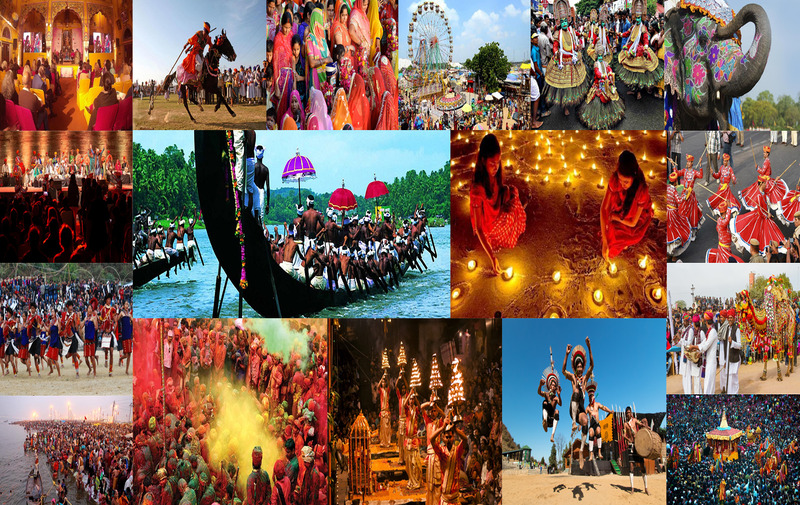
India is often described as a land of festivals and rightly so. But beyond the grand, widely known celebrations lies another India, quieter yet deeply vibrant. Tucked away in valleys, forests, and remote villages, these lesser-known festivals reflect the country’s true cultural soul. They are not just events; they are lived experiences shaped by tradition, nature, and community. From flower-decorated doorsteps in the Himalayas to mystical rituals in Kerala and tribal gatherings in the Northeast, these hidden festivals offer a glimpse into an India many travelers have never seen.
Celebrated in the serene villages of Uttarakhand during mid-March, the Phool Dei Festival marks the arrival of spring in the most heartwarming way. Young girls, known as chiloren, go from house to house, decorating doorsteps with fresh flowers and rice. As they sing traditional songs, they bless each household with prosperity and happiness. In return, families offer sweets, jaggery, and small gifts. What makes this festival special is its simplicity. There are no grand stages or loud crowds—just children, flowers, and heartfelt blessings. It reflects a deep connection between people, nature, and gratitude for new beginnings.
In the northern districts of Kerala, especially Kannur and Kasaragod, the Theyyam festival is a breathtaking spiritual experience held between October and May. Here, performers transform into living deities through elaborate face paint, towering headgear, and intense rituals. As drums beat and fire rituals unfold, the performers enter a trance-like state, believed to embody divine spirits. For locals, Theyyam is not just a performance—it is a moment of direct connection with the divine. Devotees seek blessings, guidance, and healing from these living gods, making the experience deeply personal and emotional.
Deep in the lush landscapes of Ziro Valley, the Myoko Festival is celebrated by the Apatani tribe every March. This sacred festival focuses on friendship, prosperity, and purification. Villages come together to host feasts, perform rituals, and strengthen social bonds. The celebrations often last for several days, filled with prayers, traditional ceremonies, and shared meals. At its heart, Myoko is about unity. It reminds people of the importance of relationships, trust, and collective well-being—values that feel increasingly rare in today’s fast-paced world.
Held annually from December 1 to 10 at Kisama Heritage Village, the Hornbill Festival is one of Northeast India’s grandest cultural events. Often called the “Festival of Festivals,” it brings together all Naga tribes in a vibrant showcase of tradition. Visitors can witness warrior dances, tribal games, folk music, handicrafts, and local cuisine all in one place. Despite its growing popularity, the festival retains its authenticity. It serves as a powerful reminder of the rich diversity and cultural pride of the Naga people.
Celebrated in Mizoram, particularly in Aizawl, Chapchar Kut takes place in early March after the forests are cleared for jhum cultivation. This joyful spring festival is marked by vibrant dances, especially the famous Cheraw (bamboo dance), where performers move gracefully between clapping bamboo sticks. Traditional Mizo attire, music, and local food add to the festive spirit. Chapchar Kut is a celebration of relief and happiness after hard agricultural labor. It reflects the close relationship between people and the land they depend on.
Also held in Ziro Valley, the Ziro Music Festival offers a completely different vibe. Organized in September, it is an indie music festival set against breathtaking natural beauty. With live bands, camping, art installations, and an eco-friendly approach, the festival attracts music lovers from across the country. Surrounded by rice fields and pine-covered hills, it creates a magical blend of nature and creativity. Unlike commercial music festivals, Ziro focuses on sustainability and community, making it a unique cultural experience.
What makes these festivals truly special is not just their uniqueness, but their emotional depth. In Phool Dei, it’s the innocence of children spreading joy. In Theyyam, it’s the spiritual intensity that connects humans to the divine. In Myoko, it’s the warmth of friendships and shared traditions. In Chapchar Kut, it’s the celebration of hard work and resilience. And in Ziro, it’s the coming together of strangers through music and nature. These festivals are not designed for tourists they are lived by communities. And that is exactly what makes them so authentic.
These hidden festivals offer a rare chance to witness traditions that have remained untouched for generations, preserved not for display but as a way of life. When you attend them, you don’t just watch you become part of a living culture, interacting with local communities whose warmth and authenticity leave a lasting impact. Such experiences go far beyond what textbooks or social media can show, giving you a deeper, more human understanding of India’s diversity. In these moments, culture is not staged or commercialised; it is raw, real, and expressed in its purest form through rituals, music, food, and shared emotions. So the next time you plan a trip, go beyond the obvious. Step into a village, join a local celebration, and experience a side of India that is raw, real, and unforgettable. Because sometimes, the most beautiful stories are the ones the world hasn’t discovered yet.
Romanticizing life and shaping stories from everything I see through my journalistic lens. Also, I love sports on the side.