"Dream, Dream, Dream! Conduct these dreams into thoughts, and then transform them into action."
- Dr. A. P. J. Abdul Kalam
"Dream, Dream, Dream! Conduct these dreams into thoughts, and then transform them into action."
- Dr. A. P. J. Abdul Kalam
29 Apr 2026
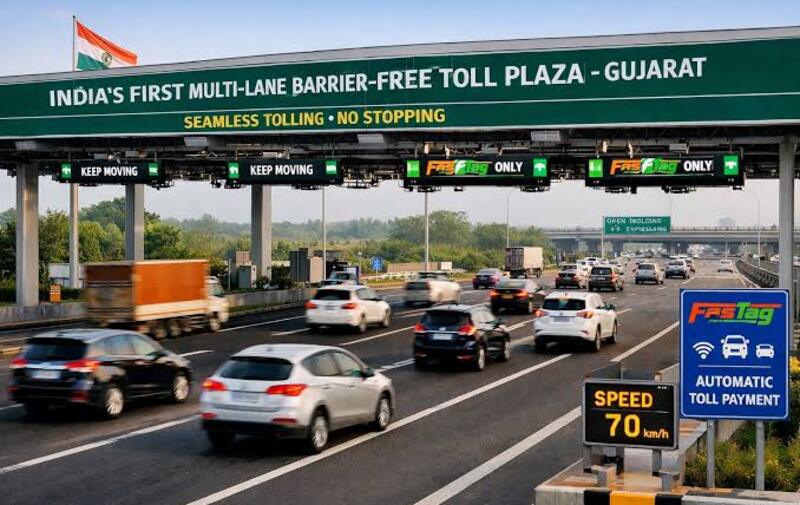
India’s highways are on the brink of a major transformation, one that could redefine the everyday travel experience for millions. In a significant announcement, Nitin Gadkari revealed plans to roll out a barrier-free tolling system across several national highways by December. The initiative promises a future where vehicles no longer stop at toll plazas, where long queues disappear, and where journeys become smoother and faster. For a country that depends heavily on road transport for both passenger travel and logistics, this shift is not just technological; it is deeply practical and long overdue.
At the heart of this transformation lies a combination of advanced technologies. The system will integrate FASTag with Artificial Intelligence-powered cameras using Automatic Number Plate Recognition (ANPR). In simple terms, vehicles passing through highways will be identified automatically through their number plates and FASTag sensors. The toll amount will be deducted instantly, without requiring the vehicle to slow down or stop. This seamless process ensures that traffic flows continuously, eliminating the bottlenecks that have long been associated with traditional toll booths. It is a move toward efficiency, where technology replaces manual intervention and reduces friction in daily travel.
For years, toll plazas have been a necessary inconvenience. From long lines during peak hours to delays that disrupt travel schedules, they have been a common frustration for drivers across the country. With barrier-free tolling, this experience is set to change dramatically. The absence of physical barriers means vehicles can maintain their speed, reducing travel time significantly. For daily commuters, transport operators, and long-distance travelers, this could mean hours saved over time. It is not just about convenience; it is about redefining how movement happens on India’s roads.
One of the key motivations behind this initiative is to reduce logistics costs, which currently stand at around 12 percent of India’s GDP higher than global benchmarks. By improving efficiency and reducing delays, the government aims to bring these costs down, making Indian industries more competitive. Faster movement of goods means quicker deliveries, lower fuel consumption, and reduced operational expenses for transport companies. Over time, these benefits can ripple through the economy, impacting everything from product prices to supply chain efficiency. In essence, smoother highways can contribute to a stronger economy.
While the system is designed for convenience, it also incorporates strong enforcement mechanisms. Vehicles that fail to comply with toll payments will not go unnoticed. Automated systems will generate electronic notices, and repeated violations could lead to penalties or even suspension of FASTag services. By linking enforcement to vehicle registration systems, authorities aim to ensure accountability without disrupting traffic flow. It is a balance between ease of use and strict compliance—ensuring that the system remains fair and effective. The introduction of barrier-free tolling reflects a broader shift toward smart infrastructure in India. As the country invests in digital technologies and modern solutions, highways are becoming more than just roads—they are evolving into intelligent networks.
India’s move toward barrier-free tolling is more than just an upgrade; it is a shift in mindset. It reflects a willingness to embrace innovation, to solve long-standing problems, and to create systems that work better for everyone. As December approaches and the rollout begins, the country stands at the threshold of a new travel experience. One where highways are faster, smarter, and more efficient. And for every person who has ever waited in a toll queue, this change represents something simple yet powerful: a journey that finally flows as it should.
Romanticizing life and shaping stories from everything I see through my journalistic lens. Also, I love sports on the side.