"Dream, Dream, Dream! Conduct these dreams into thoughts, and then transform them into action."
- Dr. A. P. J. Abdul Kalam
"Dream, Dream, Dream! Conduct these dreams into thoughts, and then transform them into action."
- Dr. A. P. J. Abdul Kalam
14 Apr 2026
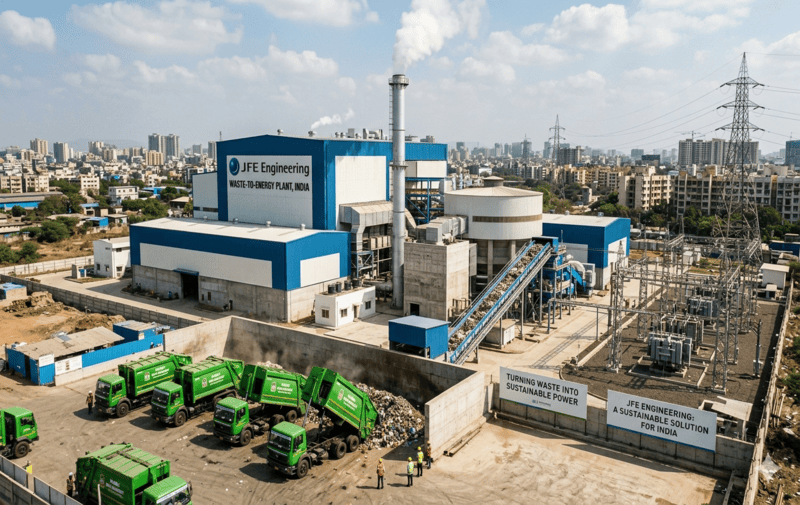
In the bustling streets of India’s cities, where life moves fast and populations continue to grow, one challenge quietly piles up every single day: waste. Mountains of garbage, overflowing landfills, and overburdened municipal systems have long been a concern. But what if this problem could become part of the solution? That possibility is now taking shape as JFE Engineering, a leading Japanese company, announces plans to develop waste-to-energy plants in India. It is a move that promises not just cleaner cities, but a smarter and more sustainable future.
The collaboration between India and Japan has steadily grown over the years, spanning infrastructure, technology, and sustainability. This latest initiative adds a powerful new dimension to that partnership. By bringing advanced waste-to-energy technology to India, JFE Engineering is contributing to a shared vision—one where environmental challenges are addressed through innovation and cooperation. For India, this partnership is timely. Rapid urbanization has increased waste generation, while the demand for clean energy continues to rise. Combining these two needs into a single solution is both practical and transformative.
At the heart of this initiative lies a simple yet powerful idea: turning garbage into electricity. Waste-to-energy plants use advanced thermal treatment technologies to process municipal solid waste. Instead of letting waste accumulate in landfills, it is treated at high temperatures, producing heat that is then converted into electricity. This process not only generates power but also significantly reduces the volume of waste. For cities struggling with landfill overflow, this could be a game-changer. It means less land required for dumping, fewer environmental hazards, and a cleaner urban landscape. More importantly, it transforms waste from a liability into a resource.
India’s urban centers are expanding at an unprecedented pace. With this growth comes an equally rapid increase in waste generation. Managing this waste has become one of the biggest challenges for municipal authorities. The introduction of waste-to-energy plants offers a practical solution. By processing large volumes of waste efficiently, these plants can reduce the pressure on existing landfill sites and improve overall sanitation systems. Cleaner cities are not just about aesthetics. They directly impact public health, environmental quality, and the overall quality of life for millions of people. This initiative, therefore, is not just about infrastructure; it is about improving everyday living.
India is already on a strong path toward renewable energy, with ambitious targets for reducing dependence on fossil fuels. Waste-to-energy fits seamlessly into this vision. While solar and wind power rely on natural conditions, waste-to-energy provides a more consistent and reliable source of energy. It complements other renewable sources, creating a more balanced and resilient energy mix. By converting waste into power, India can simultaneously address environmental concerns and energy needs—two challenges that are often seen as separate but are deeply connected.
The concept of smart cities in India goes beyond technology and infrastructure. It is about creating urban spaces that are efficient, sustainable, and livable. Waste management plays a crucial role in this vision. Integrating waste-to-energy plants into urban planning can help cities become more self-sufficient. Instead of relying solely on external energy sources, cities can generate power from their own waste. This not only reduces costs but also promotes a circular economy, where resources are reused and recycled rather than discarded. It is a model that aligns perfectly with the goals of modern urban development.
The decision by JFE Engineering to invest in waste-to-energy plants in India marks an important step forward. It reflects a growing recognition that the challenges of the modern world require innovative and integrated solutions. As India continues its journey toward becoming a global leader in sustainability, initiatives like these will play a crucial role in shaping its future. Because sometimes, the most powerful solutions come from rethinking the problems we face.

Romanticizing life and shaping stories from everything I see through my journalistic lens. Also, I love sports on the side.