"Dream, Dream, Dream! Conduct these dreams into thoughts, and then transform them into action."
- Dr. A. P. J. Abdul Kalam
"Dream, Dream, Dream! Conduct these dreams into thoughts, and then transform them into action."
- Dr. A. P. J. Abdul Kalam
28 Jun 2026
For centuries, Italy's identity has been intertwined with its vineyards, olive groves and sprawling farmlands. But a remarkable transformation is quietly reshaping the country's landscape.
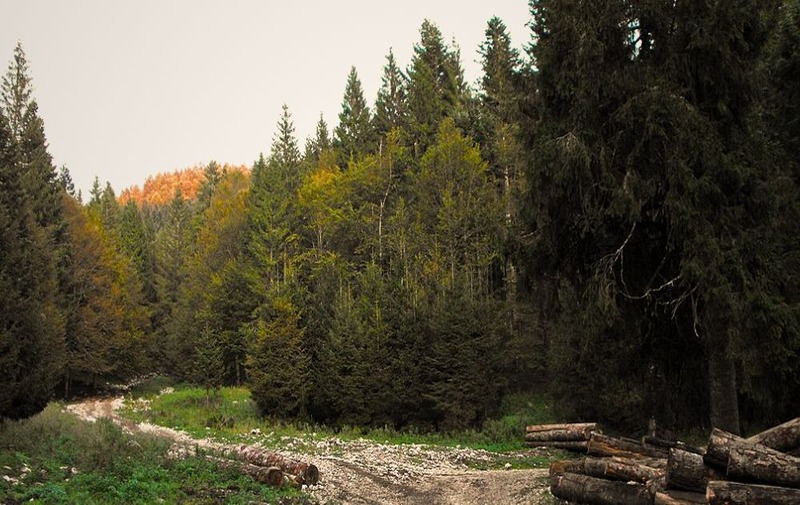
For the first time since the Middle Ages, Italy now has more woodland than agricultural land, making it one of Europe's most fascinating examples of nature reclaiming space. Forests now stretch across more than 100,000 square kilometers—over a third of the country's total land area—surpassing the extent of cultivated farmland, according to a report released this week by the National Union of Mountain Municipalities and Entities (UNCEM).
While the milestone was officially reached in 2020, it has only now come to light through the publication of the report last week.
Unlike large-scale tree-planting campaigns, Italy's expanding forests have largely grown on their own. As rural populations declined and farming became less viable in many mountainous regions, thousands of hectares of agricultural land were gradually abandoned. Over time, these neglected fields naturally reverted to forests, allowing native trees to reclaim landscapes once cultivated for generations.
Today, forests cover nearly 60,000 square miles across the Italian Peninsula, with the densest woodland concentrated in the Alps, the Apennines and the country's hilly interiors. The transformation marks one of the most significant changes to Italy's landscape in centuries.
Beyond their scenic beauty, Italy's forests are delivering enormous environmental benefits. The UNCEM report highlights the enormous economic value of ecosystem services provided free by nature. In the municipality of Marcetelli, where an astonishing 94% of the land is covered by forests, the natural functions performed by the woodland, including carbon storage, air and water purification, and soil erosion prevention, would cost an estimated $9.5 million if replicated using industrial technologies.
These natural ecosystems also play a critical role in tackling climate change by absorbing carbon dioxide while protecting watersheds and improving environmental resilience.
The growing forests have also brought an unexpected social benefit. For decades, rural Italy witnessed an exodus of young people moving to cities in search of education and employment, leaving behind abandoned villages and neglected farmland.
However, that trend is beginning to shift. Since 2021, nearly 932 Italian municipalities have recorded positive net migration, with many of these communities located in heavily forested mountain regions. Improved quality of life, remote work opportunities and renewed appreciation for nature are encouraging more people to return to smaller towns once feared to be disappearing.A Haven for Wildlife
Italy's expanding woodlands are also creating healthier habitats for wildlife. Species that have struggled for decades, including wolves and bears, now have larger and more connected forest corridors to roam and reproduce. As habitats recover, biodiversity stands to benefit significantly, strengthening ecosystems across the country.
While the decline of agricultural land raises important questions about rural economies and food production, the expansion of forests demonstrates the immense value of protecting natural landscapes in an era of climate change.
Italy's remarkable transformation offers a powerful reminder that when nature is given space and time, it has an extraordinary ability to heal itself.
.jpeg)
I have a Masters in Literature and a knack for spotting the silver lining! When I’m not chasing good news, you’ll find me nurturing my farm or lost in a good book.