"Dream, Dream, Dream! Conduct these dreams into thoughts, and then transform them into action."
- Dr. A. P. J. Abdul Kalam
"Dream, Dream, Dream! Conduct these dreams into thoughts, and then transform them into action."
- Dr. A. P. J. Abdul Kalam
22 Mar 2026
Have you ever gone for a blood test and noticed something written on the report like A+, B−, O+, or AB+? Most of us glance at it and move on without thinking much about it. After all, blood is just blood, right? Not exactly. More than a hundred years ago, Austrian scientist Karl Landsteiner made a discovery that changed modern medicine. While studying blood samples in 1901, he noticed that mixing certain samples caused them to clump together.
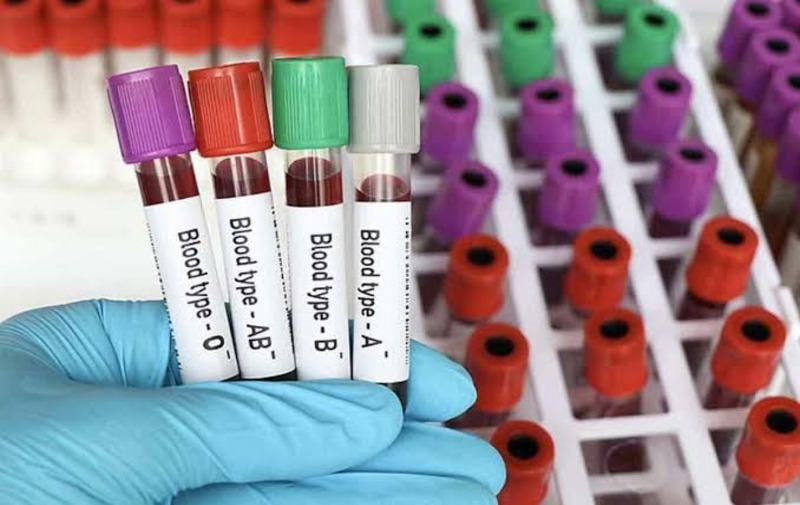
This surprising reaction led to the discovery of the ABO blood group system. It revealed that humans don’t all share the same blood type. Instead, our blood falls into four main groups: Blood type A, Blood type B, Blood type AB, and Blood type O. The reason lies in tiny molecules called antigens that sit on the surface of our red blood cells, almost like microscopic name tags floating through our veins.
Your Blood Type Is a Family Inheritance
The reason your blood type is different from someone else’s mostly comes down to genetics. Just like your height, eye colour, or hair texture, blood type is inherited from your parents. Each parent passes down a gene that determines whether you will have A, B, AB, or O blood. For example, if one parent contributes an A gene and the other contributes a B gene, the child will have AB blood type. Over thousands of years, these genetic combinations spread across populations and created patterns around the world.
Today, type O is the most common blood group globally, while type AB is the rarest. Scientists believe these differences may also have been shaped by ancient diseases. Some blood groups may have offered slight protection against certain infections, allowing those genes to survive and pass on to future generations.
The Positive or Negative Twist
But the story does not stop with A, B, AB, or O. There is another important detail called the Rh factor. This factor determines whether your blood type is positive or negative. If your red blood cells carry a specific protein known as the Rh antigen, your blood type is positive. If the protein is missing, your blood type is negative. That is why someone may be A+, O−, or B+. Around 85 percent of people in the world have Rh-positive blood, while the rest have Rh-negative blood. This tiny difference matters greatly in medicine. During blood transfusions, doctors must match both the blood group and the Rh factor carefully, because incompatible blood can trigger serious immune reactions.
A Tiny Detail That Can Save Lives
What looks like a simple label on a medical report is actually one of the most important details about your body. Blood banks, hospitals, and emergency rooms depend on this information every day. For instance, O negative blood is often called the universal donor because it can be given to almost anyone in emergencies when there is no time to check blood types. On the other hand, people with AB positive blood can receive blood from nearly every group.
So the next time you see your blood type written on a test report, remember, it is not just a medical code. It is a genetic story passed down from your parents, a clue about human evolution, and sometimes the difference between life and death in a hospital.

Romanticizing life and shaping stories from everything I see through my journalistic lens. Also, I love sports on the side.