"Dream, Dream, Dream! Conduct these dreams into thoughts, and then transform them into action."
- Dr. A. P. J. Abdul Kalam
"Dream, Dream, Dream! Conduct these dreams into thoughts, and then transform them into action."
- Dr. A. P. J. Abdul Kalam
13 Nov 2026
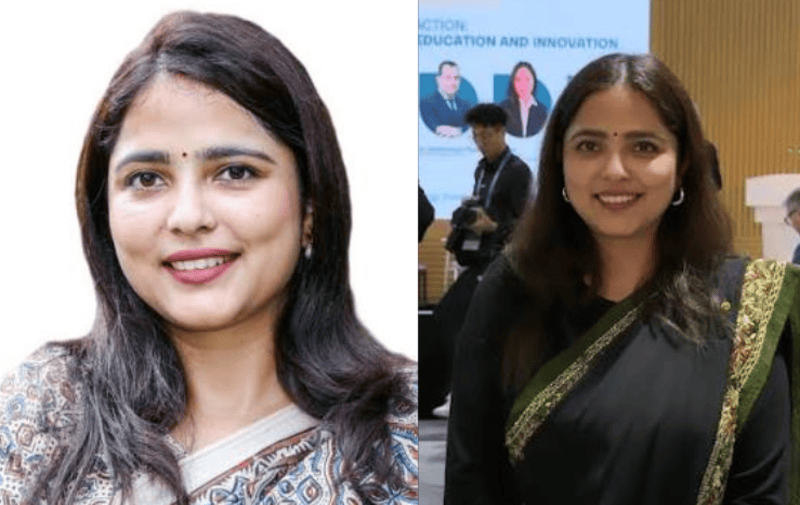
What do menstrual health and climate change have in common? A teacher from Lucknow has found an innovative way to connect the two, and her idea has won international recognition!
Mariya Shah of Prerna Girls School, part of the Study Hall Educational Foundation, has won the teacher category at the Oxford Saïd Global Climate Tech Challenge 2026 for her initiative, Break the Silence: Zero Waste Periods to Combat Climate Change. Her project explores how everyday menstrual choices affect the environment while encouraging students to speak openly about periods, waste reduction and sustainable practices.
Menstrual health and environmental protection are often discussed as separate subjects. Mariya's initiative brings them together through an engaging classroom programme. Her lesson plan examines the environmental impact of menstrual products, including plastic pollution and the waste generated through their use and disposal. It also introduces students to menstrual health education and encourages them to explore more sustainable practices.
But the learning does not stop inside the classroom. Students take their knowledge into the community through research, awareness campaigns, poster-making, conversations and street theatre. These activities help them share information, challenge silence around menstrual health and encourage people to think about the environmental consequences of everyday choices.
The initiative demonstrates how education can connect scientific knowledge with real-life issues that affect students and their communities.
According to The Times of India, the project stood out for bringing environmental learning together with social and cultural realities. Dr Pegram Harrison, Senior Fellow in Entrepreneurship and Academic Director for Youth Education at Saïd Business School, praised Mariya's approach. He emphasised that students need scientific understanding as well as the confidence and sensitivity to communicate with others if they are to influence behaviour.
As part of her achievement, Mariya will receive a place on an Oxford Saïd programme in Oxford in 2027. The winners were announced on October 30, following the international finals held in Oxford on October 25.
The 2026 challenge brought together five student teams and five teachers from nine countries. It encourages schools to develop creative, technology-driven solutions and educational programmes addressing issues such as air pollution, extreme weather, food security, biodiversity and water scarcity.
The student category was won by Team ReSpring from Motherland Secondary School in Nepal. Its project uses freely available satellite data to identify suitable locations for groundwater recharge ponds in communities dependent on natural springs.
Mariya Shah's achievement is a reminder that climate education can go beyond textbooks and scientific concepts. By connecting sustainability with everyday experiences, she has shown how a classroom lesson can spark conversations, challenge social taboos and inspire positive change.
.jpeg)
I have a Masters in Literature and a knack for spotting the silver lining! When I’m not chasing good news, you’ll find me nurturing my farm or lost in a good book.