"Dream, Dream, Dream! Conduct these dreams into thoughts, and then transform them into action."
- Dr. A. P. J. Abdul Kalam
"Dream, Dream, Dream! Conduct these dreams into thoughts, and then transform them into action."
- Dr. A. P. J. Abdul Kalam
2 May 2026
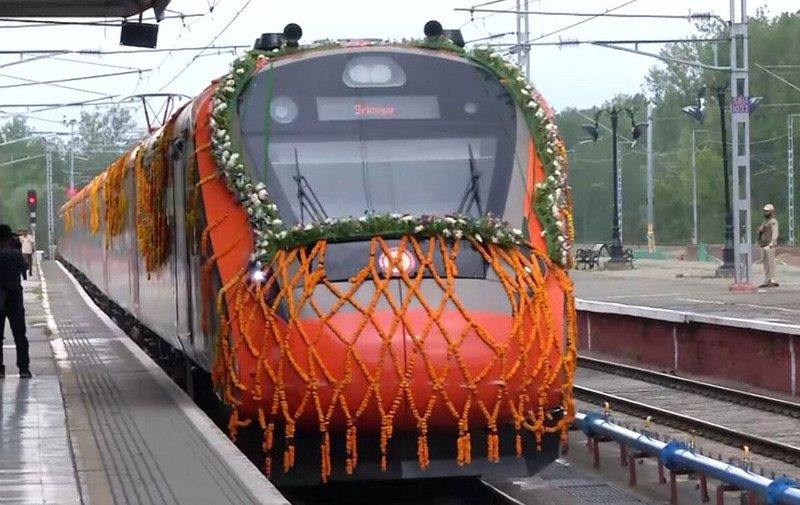
At the bustling platforms of Jammu Tawi Railway Station, a new chapter in India’s railway history quietly came alive. As the sleek, modern train stood ready, anticipation filled the air. When Ashwini Vaishnaw waved the green flag, the moment was more than ceremonial; it was symbolic of decades of effort finally turning into reality. For the first time, a direct train now connects Jammu and Srinagar, two key cities of Jammu and Kashmir, bringing with it not just convenience but a sense of connection long awaited by millions.
The newly launched Vande Bharat Express will run between Jammu and Srinagar, covering a distance of approximately 267 kilometres. Designed with 20 modern coaches, the train represents India’s growing confidence in indigenous technology and world-class infrastructure. For decades, the mountainous terrain of the Pir Panjal range stood as a formidable barrier, making rail connectivity between the Kashmir Valley and the rest of India one of the most challenging engineering projects. What once seemed nearly impossible has now been achieved through persistence, innovation, and vision. This service, set to operate six days a week starting May 2, is expected to significantly reduce travel time while providing a reliable, all-weather transport option.
Behind this achievement lies the ambitious Udhampur-Srinagar-Baramulla Rail Link, a project that has been in the making since the late 1990s. Built at an estimated cost of ₹43,780 crore, it includes 36 tunnels stretching across 119 kilometres and an astounding 943 bridges. The scale of this project reflects not just engineering brilliance, but also the determination to integrate the region more closely with the rest of the country. From the commissioning of the Udhampur-Katra section in 2014 to the introduction of electric trains in the valley in 2024, each milestone has brought the dream closer to reality. Now, with the extension of services up to Jammu, that dream stands fulfilled.
The Vande Bharat train is not just about speed it is about experience. Equipped with advanced features like the ‘Kavach’ safety system, GPS-based passenger information, and comfortable rotating seats, it offers a level of comfort that matches global standards. Built using indigenous technology, the train reflects India’s push towards self-reliance in infrastructure. For passengers, it means safer journeys, smoother rides, and a travel experience that blends efficiency with comfort.
While the engineering achievement is remarkable, the real impact of this train will be felt in everyday lives. For residents of the region, especially those who frequently travel between Jammu and Srinagar, the new service offers ease, reliability, and reduced travel time. For a student heading home, a trader transporting goods, or a family planning a visit, this train is more than just a mode of transport; it is a bridge connecting aspirations. Tourism, a vital part of the region’s economy, is also expected to receive a significant boost. With easier access, more visitors can now explore the beauty of Kashmir, from its serene lakes to its snow-covered mountains, contributing to local businesses and livelihoods.
The flag-off ceremony was attended by key leaders, including Omar Abdullah and Jitendra Singh, reflecting the importance of this milestone. It is not just a railway achievement; it is a moment of shared progress, bringing together efforts from multiple levels of governance and years of planning. The journey to this moment has been long and challenging.
Work on connecting Kashmir by rail began decades ago, with the first train in the valley running in 2008. Overcoming geographical challenges, harsh weather conditions, and technical complexities required unwavering commitment. Yet, the vision never faded. Today, as the Vande Bharat glides through tunnels and across bridges, it carries with it the story of that persistence, a story of how determination can overcome even the toughest obstacles. And as the train moves forward, it carries with it not just passengers but also the hopes of a region stepping confidently into the future.

Writing about what truly matters, good news and stories to remind the world - it is brighter than we think.