"Dream, Dream, Dream! Conduct these dreams into thoughts, and then transform them into action."
- Dr. A. P. J. Abdul Kalam
"Dream, Dream, Dream! Conduct these dreams into thoughts, and then transform them into action."
- Dr. A. P. J. Abdul Kalam
23 Jun 2026
A new era is about to begin for WhatsApp, and at its centre stands an Indian entrepreneur.
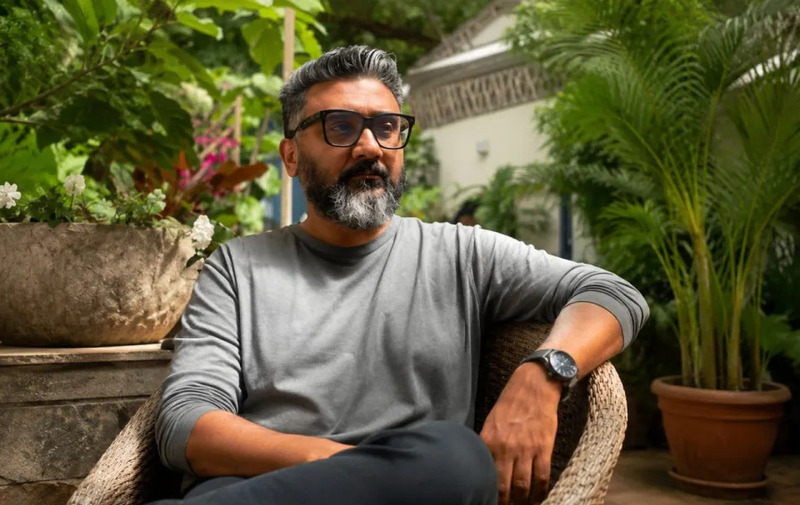
CRED founder Kunal Shah is set to take over as Global CEO of WhatsApp, succeeding Will Cathcart, who spent seven years steering the messaging giant through explosive growth and complex challenges. During his tenure, Cathcart helped WhatsApp cross the three-billion-user milestone while navigating privacy concerns, regulatory scrutiny and the app’s evolution into a business communication powerhouse.
Now, the baton passes to Shah, a founder known for building trust-based digital products in one of the world’s most competitive technology markets.
For billions of users, WhatsApp has become digital infrastructure. Across many countries, people rely on the platform not only for personal conversations but also for payments, shopping, customer support and even interactions with government services. Meta increasingly views WhatsApp as one of its most strategic assets. The company wants to transform the platform into a major engine for AI services, business messaging, commerce and digital identity.
But despite its massive scale, monetisation remains a challenge. Shah now faces the task of turning one of the world's most widely used apps into a sustainable business powerhouse without compromising the simplicity that made WhatsApp indispensable.
Perhaps the biggest challenge awaiting Shah lies in artificial intelligence. Meta has already introduced Meta AI on WhatsApp in several countries and believes messaging apps could become the primary interface for AI assistants, automated customer service and conversational commerce.
Industry experts see WhatsApp evolving into something far bigger—a conversational operating system used for communication, payments, business transactions and AI interactions.
But that transformation comes with risks. Concerns around privacy, misinformation, data security and user control remain central to WhatsApp’s identity. Preserving user trust while introducing advanced AI capabilities will be one of Shah’s toughest balancing acts. His experience building CRED, a platform that relies heavily on consumer trust and financial behaviour, may prove invaluable as Meta explores deeper integrations across commerce and payments.
Shah arrives not as a longtime Meta insider, but as a startup founder who built and scaled businesses from the ground up. His appointment reflects India's growing influence as a hub for digital innovation and consumer technology.
For WhatsApp, whose largest user base resides in India, having a leader who understands emerging markets and digital consumer behaviour could offer a major advantage.
The leadership change comes as Meta aggressively invests in artificial intelligence and searches for growth opportunities beyond advertising. The company is reshaping its leadership structure and increasingly placing entrepreneurial minds in key positions to compete in AI, commerce and messaging.
For Kunal Shah, the challenge now shifts from building startups to managing one of the most influential digital platforms on the planet. Can WhatsApp become Meta’s gateway to AI? Can business messaging emerge as a powerful revenue engine?
And most importantly, can the app continue to innovate without losing the trust and simplicity that made it a daily necessity for billions? The answers could shape not only WhatsApp’s future but also the next decade of global technology itself.
.jpeg)
I have a Masters in Literature and a knack for spotting the silver lining! When I’m not chasing good news, you’ll find me nurturing my farm or lost in a good book.