"Dream, Dream, Dream! Conduct these dreams into thoughts, and then transform them into action."
- Dr. A. P. J. Abdul Kalam
"Dream, Dream, Dream! Conduct these dreams into thoughts, and then transform them into action."
- Dr. A. P. J. Abdul Kalam
21 Apr 2026
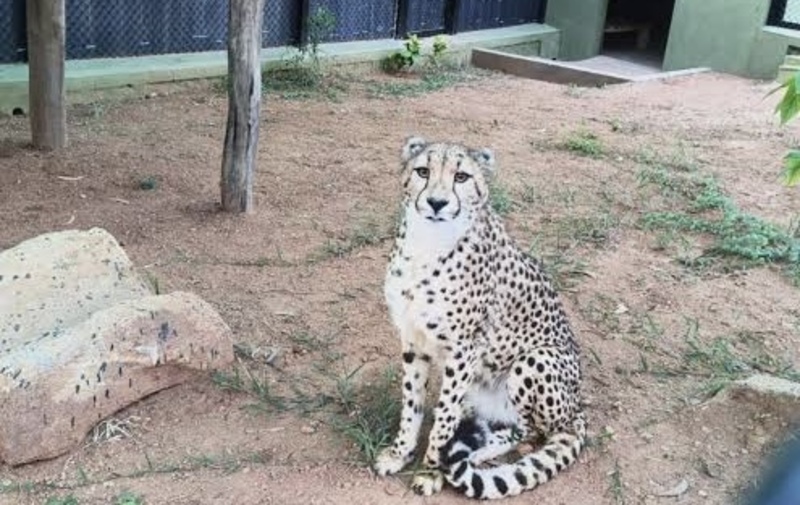
Before sunrise in Bengaluru, something extraordinary quietly unfolded. At the cargo terminal of Kempegowda International Airport, four cheetahs—graceful, alert, and symbolic touched Indian soil. Their arrival marked more than just a transfer of animals; it signaled a renewed commitment to healing a historical loss. For decades, the cheetah, once native to India, existed only in memory and history books. Declared extinct in the country in 1952, its disappearance was a result of relentless hunting and shrinking habitats. Today, as Karnataka joins India’s broader conservation effort, the story is beginning to change.
The southern state has now become the latest participant in India’s ambitious plan to reintroduce cheetahs into its ecosystem. The four cheetahs—two males and two females were brought from South Africa under a carefully structured animal exchange programme. They have been relocated to Bannerghatta Biological Park, where they will undergo a mandatory 30-day quarantine period. This phase is critical, allowing veterinarians and wildlife experts to monitor their health, ensure proper adaptation, and minimize any risks associated with relocation. Officials from the Zoo Authority of Karnataka are overseeing the process, ensuring that international standards of animal care and conservation are strictly followed. Every detail from diet to enclosure design has been carefully planned to help the animals adjust to their new environment.
The return of cheetahs to India is not an isolated effort. It is part of a larger national initiative to restore ecological balance by reintroducing species that once thrived in the country. The cheetah, known scientifically as Acinonyx jubatus, is the world’s fastest land animal and plays a vital role in maintaining the health of grassland ecosystems. Historically, cheetahs were known in Karnataka as “Sivangi,” a name that reflects their deep cultural connection to the region. Their disappearance left a gap not only in biodiversity but also in the natural heritage of the land. Bringing them back is not just about conservation; it is about restoring a lost identity.
Relocating wild animals across continents is a complex and sensitive process. Before their journey, the cheetahs underwent thorough health screenings and quarantine in South Africa. Upon arrival in India, strict protocols under the Wildlife Protection Act 1972 were followed, along with approvals from animal quarantine authorities. Veterinary teams at Bannerghatta have been tasked with continuous monitoring, ensuring that the animals remain healthy and stress-free. The quarantine period also allows them to gradually adapt to India’s climate, which differs significantly from their original habitat. Such meticulous planning highlights the scientific rigor behind modern conservation efforts. It is no longer just about protecting wildlife—it is about understanding ecosystems, animal behavior, and long-term sustainability.
While the arrival of the cheetahs has generated excitement, experts remain cautious. Conservation is not an overnight success story. It requires patience, observation, and constant care. Forest officials have emphasized the importance of maintaining a controlled environment during the initial phase. The cheetahs will be provided with a carefully curated diet and monitored for any signs of stress or illness. Only after they are fully acclimatized will they be introduced to public viewing in specially designed enclosures. This careful approach ensures that the animals are not overwhelmed and that their well-being remains the top priority.
The arrival of these four cheetahs may seem like a small beginning, but it carries immense significance. It reflects a shift in how India views conservation, not as an obligation but as a responsibility rooted in respect for nature. As the cheetahs settle into their new home in Bengaluru, they bring with them more than speed and grace. They bring hope, a reminder that even after loss, restoration is possible. In the quiet enclosures of Bannerghatta, a new story is unfolding. One where science meets compassion, where history meets the present, and where a species once lost begins to find its way back home.

Writing about what truly matters, good news and stories to remind the world - it is brighter than we think.