"Dream, Dream, Dream! Conduct these dreams into thoughts, and then transform them into action."
- Dr. A. P. J. Abdul Kalam
"Dream, Dream, Dream! Conduct these dreams into thoughts, and then transform them into action."
- Dr. A. P. J. Abdul Kalam
28 Mar 2026
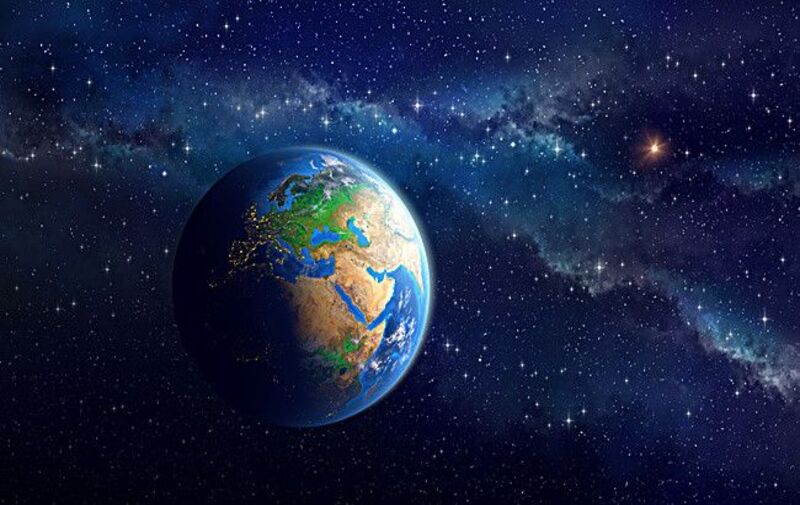
On March 28, 2026, at exactly 8:30 PM, millions of people across the world will switch off their lights for one hour. This global movement, known as Earth Hour 2026, marks its 20th anniversary this year. What started in 2007 by the World Wide Fund for Nature as a symbolic act has now become one of the largest environmental movements in history. For one hour, cities will dim, homes will go dark, and famous landmarks will switch off their lights. But Earth Hour is not just about darkness; it is about awareness. It is a reminder that small actions, when done together, can create a massive impact.
We are living in a critical time. Scientists warn that the planet is dangerously close to crossing the 1.5°C global warming limit set by the Paris Climate Agreement. If this limit is breached, the damage to our environment could become irreversible. At the same time, nature is disappearing at an alarming rate. Forests are shrinking, wildlife is declining, and ecosystems are under threat. These are not distant problems—they directly affect our lives, our food, our air, and our future. Earth Hour 2026 comes as a wake-up call. It tells us that the next few years are crucial. What we do today will decide what kind of world we live in tomorrow.
Our Lifestyle Choices Are Hurting Both Us and the Planet
One of the most powerful messages of Earth Hour 2026 is simple yet deeply eye-opening: the way we treat the planet is ultimately the way we treat ourselves. Many of the habits we follow in our daily lives do not just damage the environment but also take a toll on our own health. For instance, the growing dependence on ultra-processed food not only increases pollution through industrial production and excessive packaging but also leads to serious health problems such as obesity and diabetes.
Similarly, choosing to drive everywhere instead of walking or cycling contributes to rising carbon emissions while reducing our physical activity, making us more prone to lifestyle-related diseases. Excessive screen time, now a common part of modern living, consumes energy on a large scale and at the same time disrupts sleep patterns and affects mental well-being. Even large-scale practices like factory farming play a dual role in this crisis, as they significantly add to greenhouse gas emissions while producing food that is often unhealthy and unsustainable. In essence, the lifestyle choices that are slowly harming our bodies are the very same ones accelerating damage to the planet, highlighting a clear and urgent need to rethink how we live.
During Earth Hour 2026, the one hour of darkness can be used in simple yet meaningful ways that go beyond just switching off lights. It can become a moment to spend quality time with family or step outdoors and reconnect with nature, something often missed in our busy routines. This quiet time also offers a chance to reflect on daily habits and think about small lifestyle changes that can make a difference, such as saving energy at home or being more mindful about consumption. By disconnecting from screens and the constant digital noise, people can reconnect with themselves, finding a sense of calm and clarity. This shift in approach makes Earth Hour more than just a symbolic gesture, transforming it into a deeply personal commitment toward a more sustainable and balanced way of living.
In today’s world, people are often divided by opinions, politics, and lifestyles. But Earth Hour brings everyone together for a common cause—our shared home. For one hour, it does not matter where you come from or what language you speak. What matters is that you are part of something bigger. Imagine millions of people across more than 190 countries doing the same simple act at the same time. That feeling of unity is rare and powerful. It reminds us that global problems need collective solutions.
The beauty of Earth Hour is that it shows how small actions matter. You do not need to make huge sacrifices to create change. Simple steps like: Walking instead of driving, eating healthier, less processed food, Reducing plastic use, saving electricity, and spending less time on screens. Earth Hour 2026 is more than an event; it is a reminder. A reminder that we are all connected. That our choices matter. That change begins with us. As the lights go off today evening, take a moment to reflect. Because that one quiet hour has the power to inspire a lifetime of better choices—for you and for the planet. And maybe, just maybe, that is how real change begins.

Writing about what truly matters, good news and stories to remind the world - it is brighter than we think.