"Dream, Dream, Dream! Conduct these dreams into thoughts, and then transform them into action."
- Dr. A. P. J. Abdul Kalam
"Dream, Dream, Dream! Conduct these dreams into thoughts, and then transform them into action."
- Dr. A. P. J. Abdul Kalam
16 Feb 2026
At 8:00 AM on February 16, India presses start on more than just a digital campaign; it begins a nationwide conversation about how Artificial Intelligence should shape the country’s future. As the nation prepares for the grand inauguration of the India AI Impact Summit 2026 at Bharat Mandapam, the Ministry of Electronics and Information Technology under the IndiaAI Mission, in collaboration with Intel India, has launched a bold attempt to set a Guinness World Records title for the “Most pledges received for an AI responsibility campaign in 24 hours.” But beyond the record lies a deeper ambition: building public trust in AI. In a time when algorithms recommend what we watch, influence what we read, and even assist in healthcare and governance, the question is no longer whether AI will shape society but how responsibly it will do so.
The AI Responsibility Pledge campaign is designed to mobilise citizens across India to commit to ethical, inclusive, and accountable AI use. The initiative reinforces India’s growing position as a global digital leader that prioritises human-centric technology. The campaign is not just symbolic. It reflects India’s intent to lead conversations around responsible innovation, where technology supports “People, Planet and Progress,” the guiding pillars of the upcoming summit.
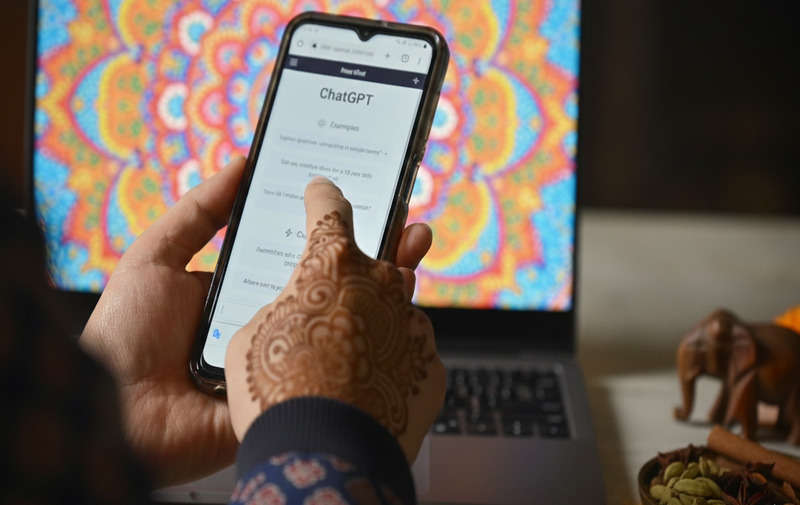
Participants access a dedicated digital platform, where they move beyond simply clicking “I agree.” The experience includes scenario-based questions that encourage reflection on real-world AI challenges such as misinformation, data privacy, algorithmic bias, and accountability. Before taking the formal pledge, participants are prompted to think: Would you verify AI-generated information before sharing it? Would you ensure consent before using someone’s data? Would you question automated decisions that seem unfair? In answering these, citizens move from passive users to conscious participants in the AI ecosystem.
One of the most striking aspects of the campaign is its accessibility. It does not require microphone or camera permissions, nor does it impose qualifying marks or eligibility barriers. Participation is open to students, educators, parents, industry professionals, startups, public sector representatives, and citizens from all backgrounds. The process is simple: visit the official portal, register, verify via OTP, engage with short awareness questions, and submit the pledge. Upon completion, participants receive a digital honorary badge jointly issued by IndiaAI and Intel India. They also gain access to curated, government-led AI learning pathways—a subtle but important push toward continuous digital literacy. This structure ensures that participation is not limited to tech experts. A college student in Kerala, a teacher in Bihar, a startup founder in Bengaluru, or a government officer in Assam can all join equally.
India’s demographic strength makes youth engagement central to this campaign. With one of the world’s youngest populations, India stands at a unique crossroads where digital adoption is rapid and widespread. Young people today are not just AI consumers; they are creators, coders, entrepreneurs, and influencers. Encouraging them to think ethically about AI now could shape how India innovates over the next decade. A student taking the pledge may later design AI tools for agriculture. A young coder may build chatbots for healthcare. A future policymaker may craft data governance laws. By embedding ethical awareness early, the campaign seeks to influence future innovation at its root.
The pledge campaign forms a key citizen-engagement pillar of the India AI Impact Summit 2026, scheduled from February 16 to 20 at Bharat Mandapam in New Delhi. The summit will be inaugurated by Prime Minister Narendra Modi and will bring together Heads of State, policymakers, global leaders, researchers, industry experts, startups, academia, and civil society. AI’s potential is vast. Yet, without safeguards, it can deepen inequalities, spread misinformation, and compromise privacy. The summit aims to address both sides of the equation innovation and responsibility.
Attempting a Guinness World Record title adds visibility and global resonance. It positions India not merely as a large digital market but as a thought leader in responsible AI governance. In recent years, global debates have intensified around regulating AI systems, ensuring fairness, and combating deepfakes and misinformation. India’s initiative signals that emerging economies can lead ethical innovation rather than merely adopt frameworks created elsewhere. If successful, the campaign could set a precedent for other nations to mobilise citizens in conversations about technology ethics.
As February 16 unfolds, the campaign transforms smartphones and laptops across India into tools of civic engagement. Each pledge submitted represents more than a number toward a world record; it represents an individual choice to use technology thoughtfully. In an era where AI systems can generate content, predict behaviour, and influence public discourse, responsibility cannot be automated. It must be human. Through this 24-hour nationwide mobilisation, India seeks to demonstrate that innovation and integrity can move together and that a digital future built on trust begins with informed citizens willing to pledge for it.
Link to take the AI pledge: https://aipledge.indiaai.gov.in/

Writing about what truly matters, good news and stories to remind the world - it is brighter than we think.