"Dream, Dream, Dream! Conduct these dreams into thoughts, and then transform them into action."
- Dr. A. P. J. Abdul Kalam
"Dream, Dream, Dream! Conduct these dreams into thoughts, and then transform them into action."
- Dr. A. P. J. Abdul Kalam
15 Oct 2026
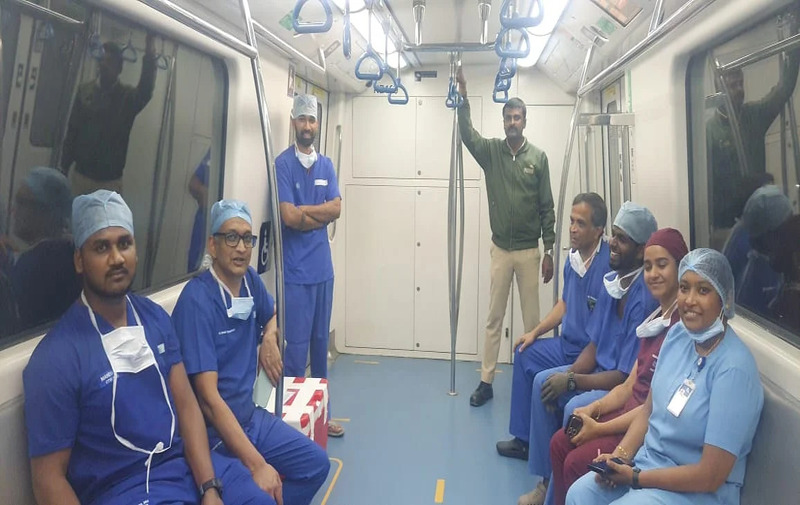
In a city where traffic congestion can turn a short journey into a long ordeal, Bengaluru’s Namma Metro has shown how public transport can make a life-saving difference. On Wednesday, a human heart was transported by metro train in just 18 minutes, helping the vital organ reach its destination without getting caught in the city’s busy roads.
The heart was taken from Sparsh Hospital in Yeshwanthpur to Apollo Hospital in Seshadripuram for a medical procedure. With every minute counting during organ transportation, the metro offered a faster and more predictable alternative to navigating Bengaluru’s traffic.
The journey began at Goraguntepalya Metro station, where the heart was taken aboard a train at 2.22 pm. It reached Mantri Square Sampige Road station at 2.40 pm, completing the metro leg of the journey in just 18 minutes.
The swift transfer demonstrated how urban rail networks can play a crucial role in supporting emergency medical needs, particularly in crowded cities where road congestion can create significant delays. Every minute saved during transit can help medical teams work more efficiently.
The Bangalore Metro Rail Corporation Limited (BMRCL) coordinated the arrangements for the transfer, working with the healthcare institutions to ensure the organ's smooth transit. Wednesday’s operation also added to Namma Metro’s growing contribution to life-saving medical transportation. The network has now facilitated the movement of six vital organs, including three hearts, one liver and a pair of lungs.
The initiative highlights how metro infrastructure can serve purposes beyond everyday commuting. While trains help thousands of passengers travel across Bengaluru, they can also provide a valuable transport option during medical emergencies when road travel is unpredictable.
Bengaluru’s latest heart transfer is a reminder that cities can use existing infrastructure in innovative ways to support healthcare. Namma Metro demonstrated how timely coordination between transport authorities and hospitals can make a meaningful difference.
As India's cities continue to grapple with crowded roads, such initiatives offer an inspiring example of how public transport can become an important partner in emergency medical care.
.jpeg)
I have a Masters in Literature and a knack for spotting the silver lining! When I’m not chasing good news, you’ll find me nurturing my farm or lost in a good book.