"Dream, Dream, Dream! Conduct these dreams into thoughts, and then transform them into action."
- Dr. A. P. J. Abdul Kalam
"Dream, Dream, Dream! Conduct these dreams into thoughts, and then transform them into action."
- Dr. A. P. J. Abdul Kalam
1 May 2026
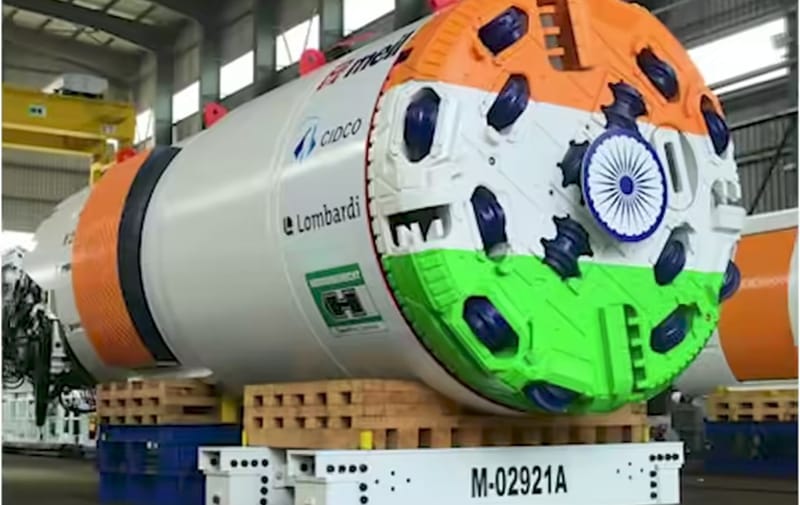
Deep beneath the bustling chaos of Mumbai, where traffic jams and crowded roads define everyday life, a silent revolution has begun. It does not roar like engines above ground, nor does it demand attention with noise. Instead, it moves steadily, carving pathways through rock and soil, reshaping the future of urban travel. At the centre of this transformation is ‘Arjuna’, India’s massive new tunnel boring machine, a technological marvel designed to build underground road networks.
Developed by Megha Engineering and Infrastructures Limited in collaboration with Herrenknecht, this machine represents more than just engineering excellence; it reflects India’s growing confidence in building its own future.
A tunnel boring machine, often called a TBM, is one of the most advanced tools in modern construction. Unlike traditional drilling and blasting methods, a TBM cuts through soil and rock using a massive rotating cutter head at its front. As it moves forward, it simultaneously installs tunnel linings, creating a stable underground passage. In simple terms, it is like a giant mechanical worm, eating through the earth while building a smooth, strong tunnel behind it. Machines like Arjuna are used to construct metro tunnels, railway corridors, highways, and even water supply systems. Their biggest advantage lies in precision and safety. They minimise surface disruption, reduce noise and vibration, and allow construction even beneath densely populated or environmentally sensitive areas.
‘Arjuna’ is not just any TBM it is among the largest ever deployed in India, with a diameter of over 13 metres. Built at a facility in Chennai, it marks a significant shift towards indigenous manufacturing of high-end infrastructure equipment. Its mission is ambitious: to help construct the Thane-Borivali Twin Tunnel Project, a major initiative aimed at transforming connectivity within the Mumbai Metropolitan Region. The project involves building an underground corridor stretching over 11 kilometres, linking Thane and Borivali, two key areas often plagued by heavy traffic. Once completed, the tunnel is expected to drastically reduce travel time, offering a faster and more efficient alternative to existing road routes.
One of the most remarkable aspects of this project is its route. The tunnel passes beneath the Sanjay Gandhi National Park, a protected and eco-sensitive zone known for its rich biodiversity. Constructing infrastructure beneath such a delicate ecosystem requires extreme care. This is where Arjuna’s advanced zero-vibration technology plays a crucial role. By minimising disturbances to the ground above, the machine ensures that the park’s flora and fauna remain largely unaffected. This balance between development and conservation highlights a new approach in infrastructure planning, one that respects nature while meeting the needs of a growing city.
While Arjuna’s immediate task is to carve tunnels, its impact goes far beyond construction. It represents a larger shift in India’s infrastructure journey from dependence on imported technology to developing capabilities within the country. By manufacturing such machines domestically, India is reducing costs, building expertise, and creating opportunities for innovation. It also strengthens the vision of “Make in India,” where critical technologies are designed and produced locally. For engineers, technicians, and workers involved in the project, Arjuna is not just a machine; it is a symbol of progress and possibility.
The deployment of large-scale TBMs like Arjuna marks a turning point in how India approaches infrastructure. Faster construction, reduced environmental impact, and increased self-reliance are setting new standards for future projects. As urban populations rise and cities become more crowded, underground spaces will play a crucial role in easing pressure on surface infrastructure. Tunnels, metros, and underground highways will become essential components of modern urban planning.

Writing about what truly matters, good news and stories to remind the world - it is brighter than we think.